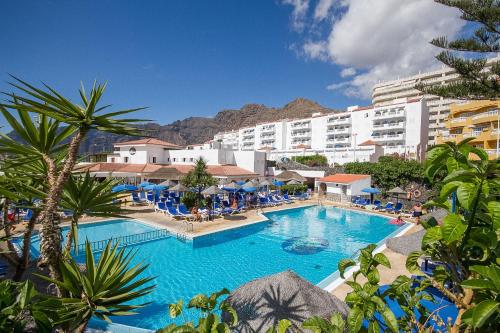
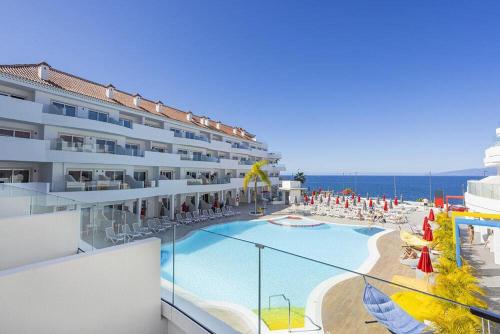
Fañabe Beach
Playa Fanabe — Costa Adeje's Resort Shoreline
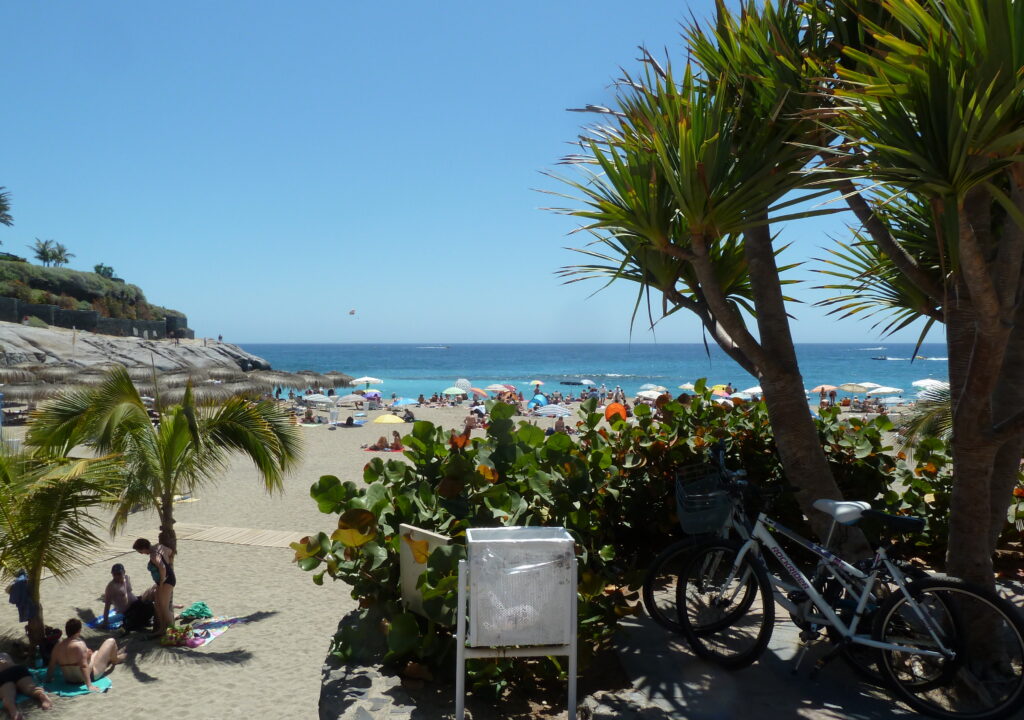
Playa Fanabe sits at the heart of Costa Adeje, the stretch of Tenerife's south coast built up around the island's driest, sunniest microclimate. Backed by hotels and palm-lined walkways, it typifies the resort beaches that transformed this once-arid volcanic shoreline into the island's main holiday hub.
Playa Fañabé sits at the centre of Costa Adeje, on the dry, sun‑favoured southern flank of Tenerife where the island’s mountains — and Mount Teide itself — hold back the moisture‑laden trade winds that soak the north. As the original text notes, “the result is a landscape that was, until recent decades, dry scrubland and volcanic rock running down to the Atlantic” — a geography that shaped both the beach and the resort district that later grew around it.
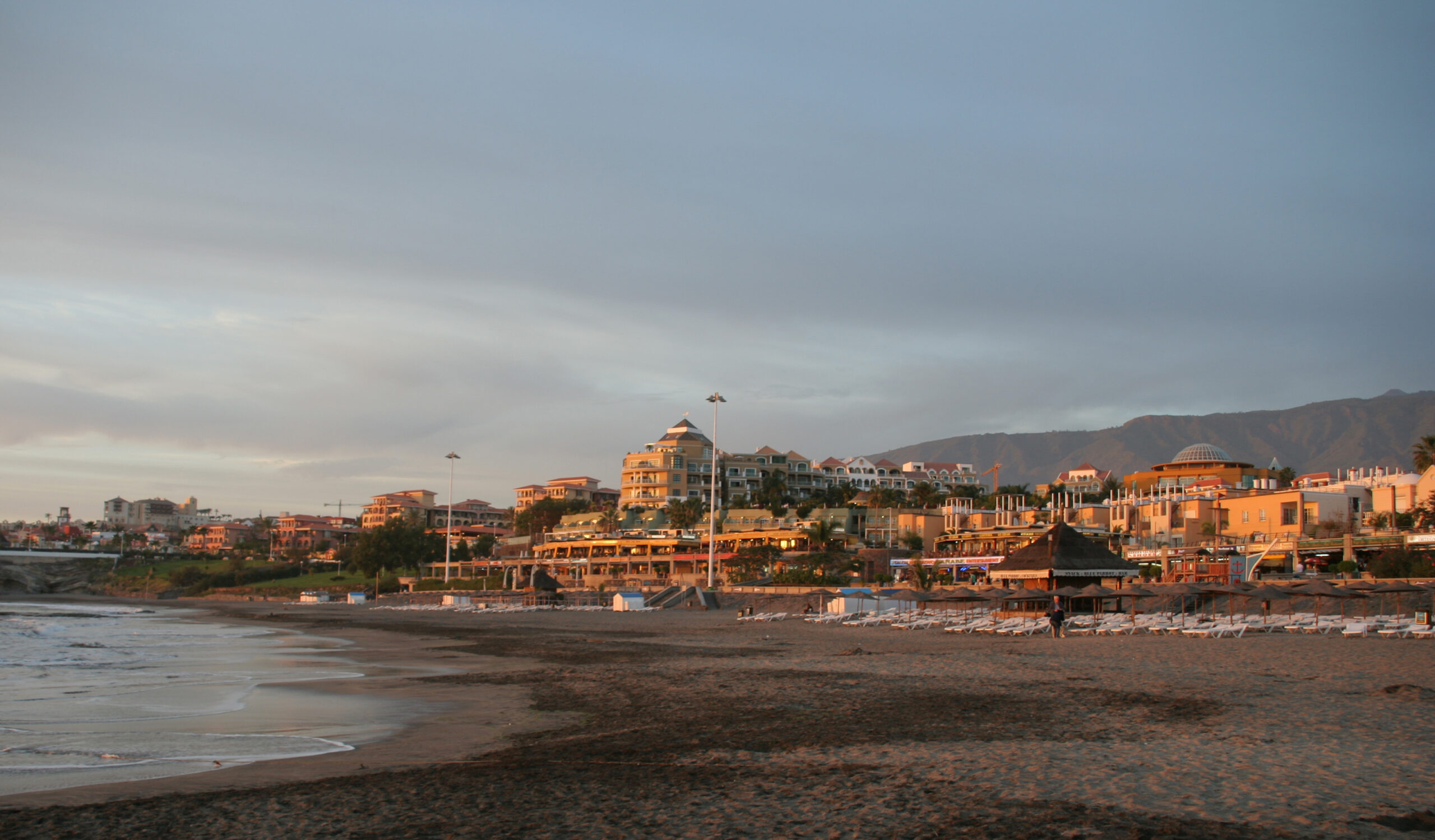
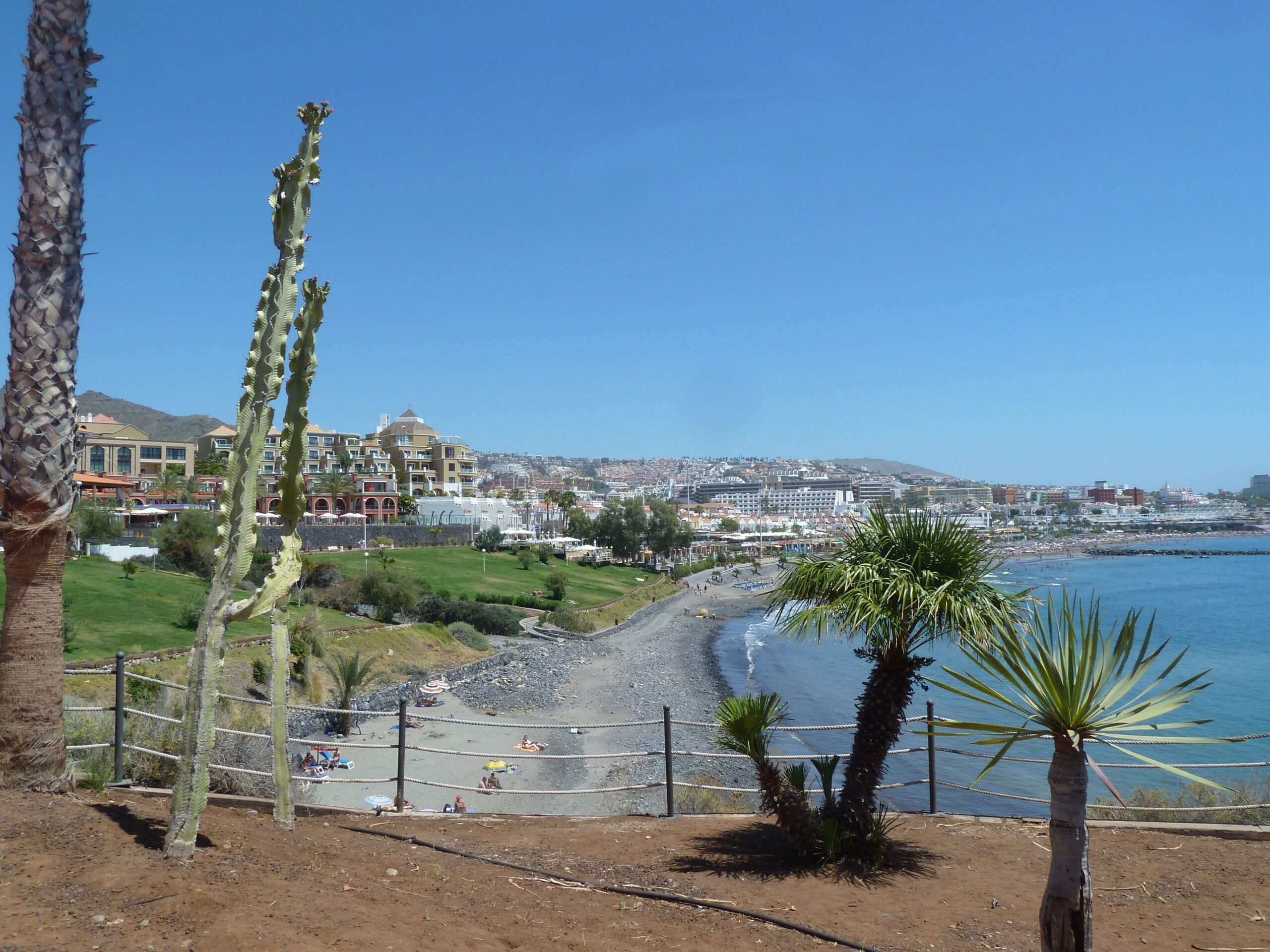
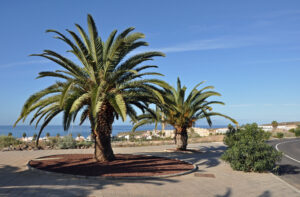
The transformation of this coast began in the late twentieth century, when its dependable sunshine and gentle sea conditions drew developers to what had once been an arid volcanic shoreline. Today, hotel terraces, palm‑lined promenades and low‑rise resort architecture form the backdrop to the sand, replacing the cliffs, banana terraces and small agricultural plots found elsewhere on the island.
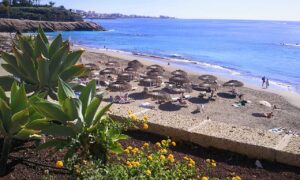
The character of Fañabé lies in this contrast — a broad, open bay of dark volcanic sand set against a frontage shaped almost entirely by modern tourism. The Atlantic here is typically calmer than on Tenerife’s windward coasts, tempered by the shelter of the island’s landmass, and days tend to be still, warm and bright.
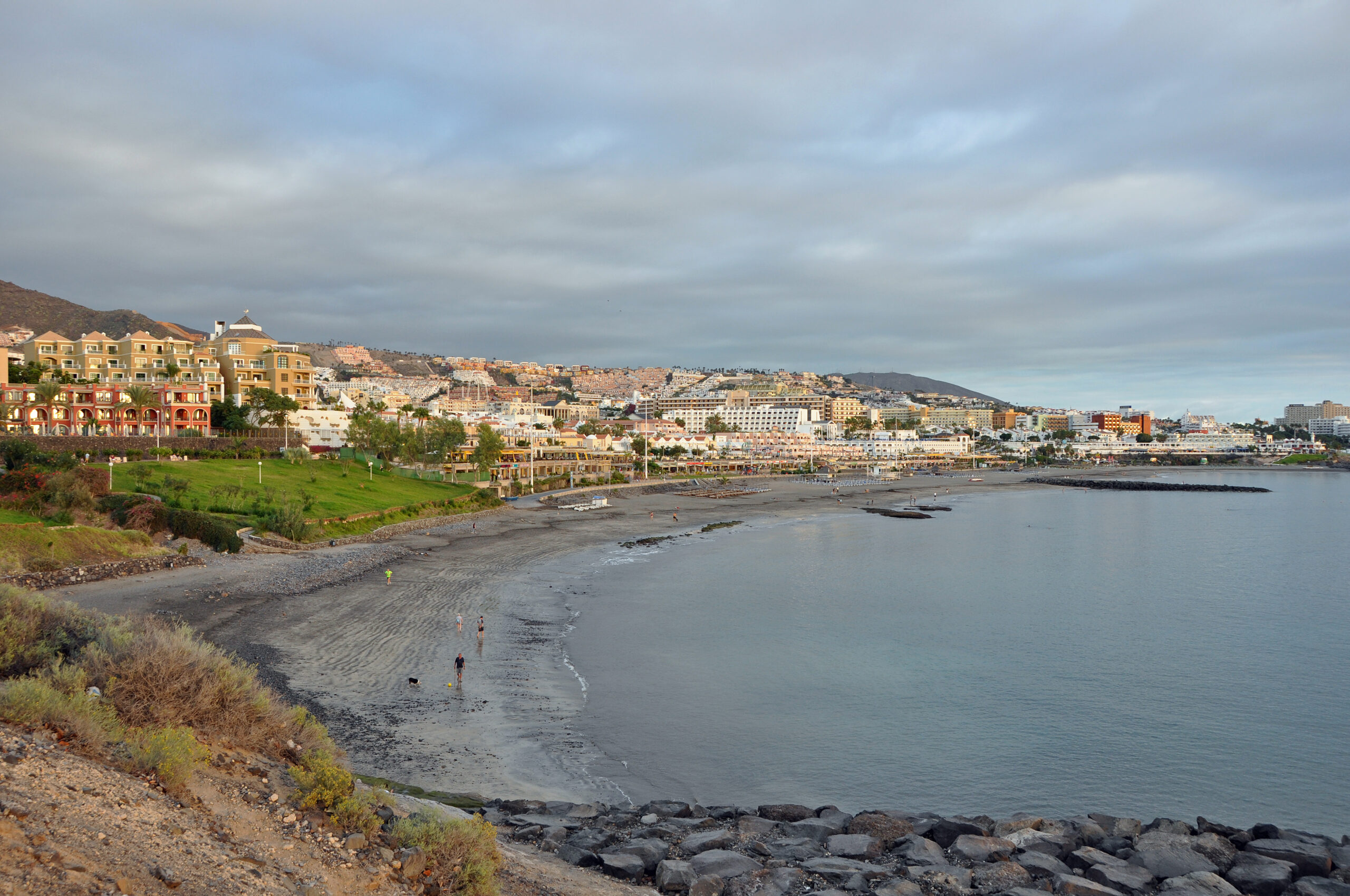
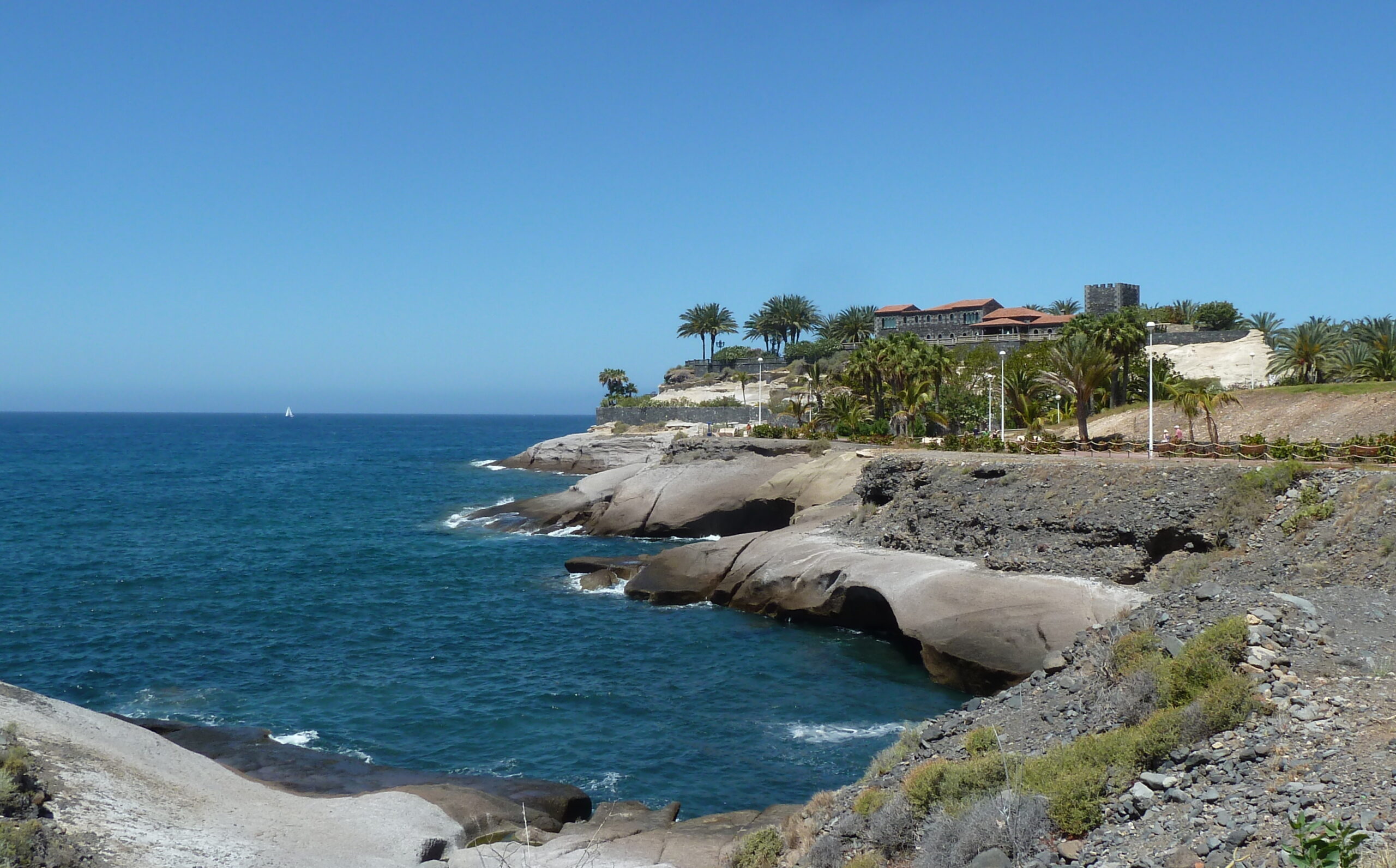
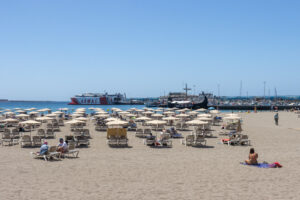
As with much of Costa Adeje, the beach acts as the social and geographic heart of a district built around holiday life: cafés, terraces, walkways and small coves linking one resort zone to the next. It is a place defined by reliable weather and easy access to the sea — a straightforward, sun‑drenched shoreline shaped by the geography of south Tenerife.