History Museum
Tracing Tenerife's Past in La Laguna
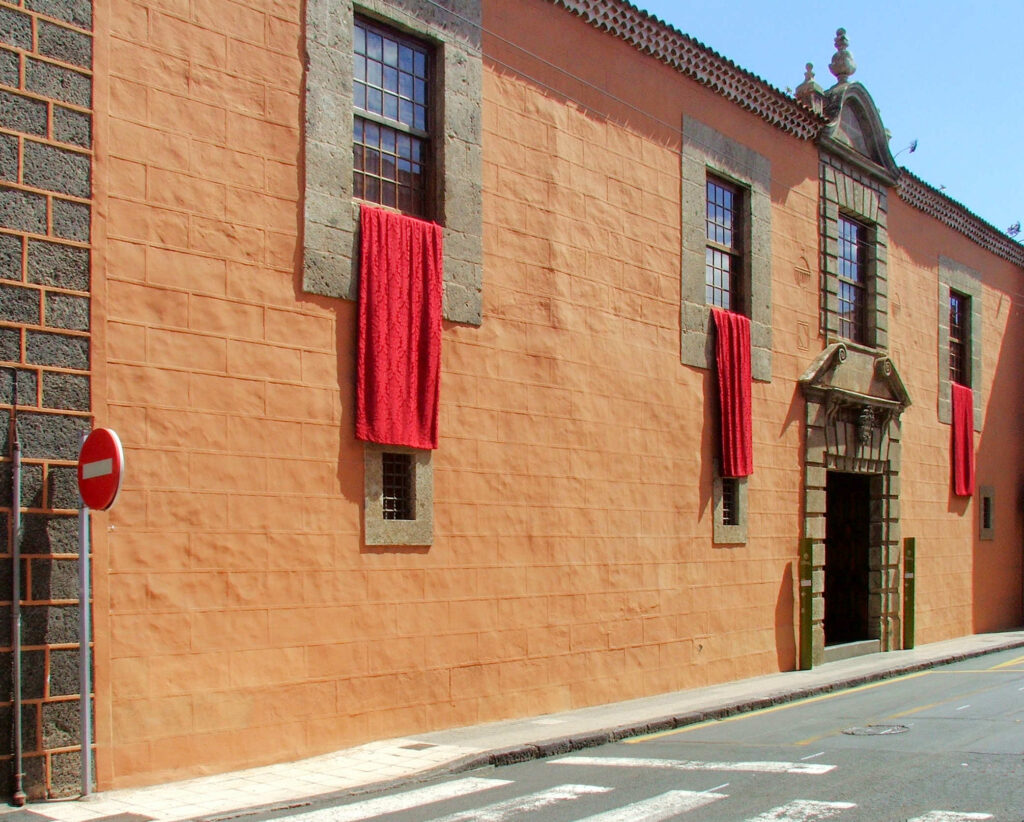
Set within the historic quarter of La Laguna, Tenerife's former capital, this museum gathers the island's past into one address, from its conquest and colonial expansion to the trade routes that once linked the Canaries to the Americas.
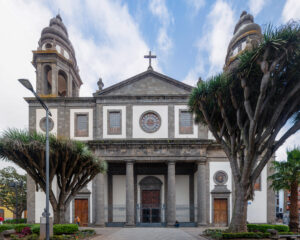
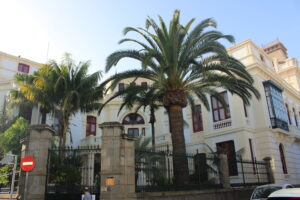
The History Museum sits inside La Laguna’s UNESCO-listed old town, a district laid out on the upland plateau long before Santa Cruz grew into Tenerife’s main port. The building belongs to the same architectural tradition as its surroundings — thick volcanic-stone walls, timber balconies and a cool interior organised around shaded patios designed for the plateau’s mild, cloud-softened climate.
La Laguna was Tenerife’s first capital, and its rectilinear street grid became a model later exported to colonial towns across the Americas. Walking into the museum feels like stepping into that wider story: rooms arranged around courtyards, terracotta floors, and carved woodwork that echo the town’s civic palaces and merchant houses.
Inside, the collection traces the island’s transformation from Guanche settlement to Spanish outpost and Atlantic trading hub. Exhibits follow the arrival of European settlers, the rise of port towns, and the networks that once linked Tenerife to the Caribbean and mainland Spain. The building itself reinforces this narrative — a piece of the same colonial fabric that shaped the island’s early administrative and religious life.
Outside, La Laguna’s rhythm is different from the coastal resorts: narrow streets built for foot traffic, university students filling plazas, and church bells marking the hours. The museum works as a contextual anchor — a place that explains why the town looks and feels as it does, before visitors head down to modern Santa Cruz or inland towards the volcanic slopes of the Teide–Pico Viejo massif.