Anaga Rural Park
Tenerife’s Ancient, Cloud‑Fed Northeastern Massif
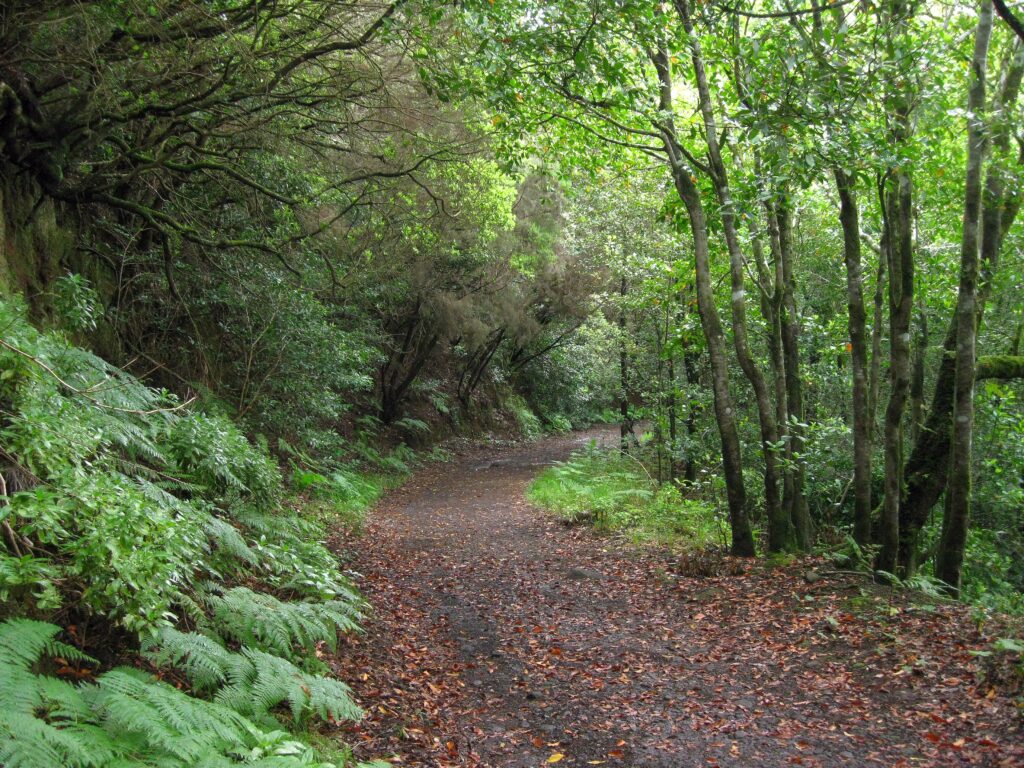
Anaga Rural Park covers Tenerife’s oldest volcanic massif, a steep, cloud‑fed landscape of laurel forest, deep ravines and remote hamlets. Shaped by trade‑wind moisture and millions of years of erosion, it remains one of the island’s most atmospheric and biologically rich regions.
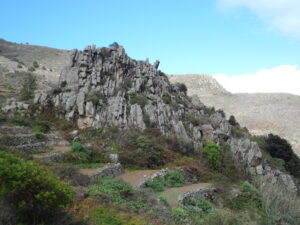
Anaga Rural Park occupies the northeastern tip of Tenerife, a region where the island’s oldest volcanic terrain meets the moisture of the trade winds. The massif is heavily eroded, carved into sharp ridges and deep ravines that drop toward the Atlantic, creating one of the most dramatic and biologically rich landscapes in the Canary Islands.
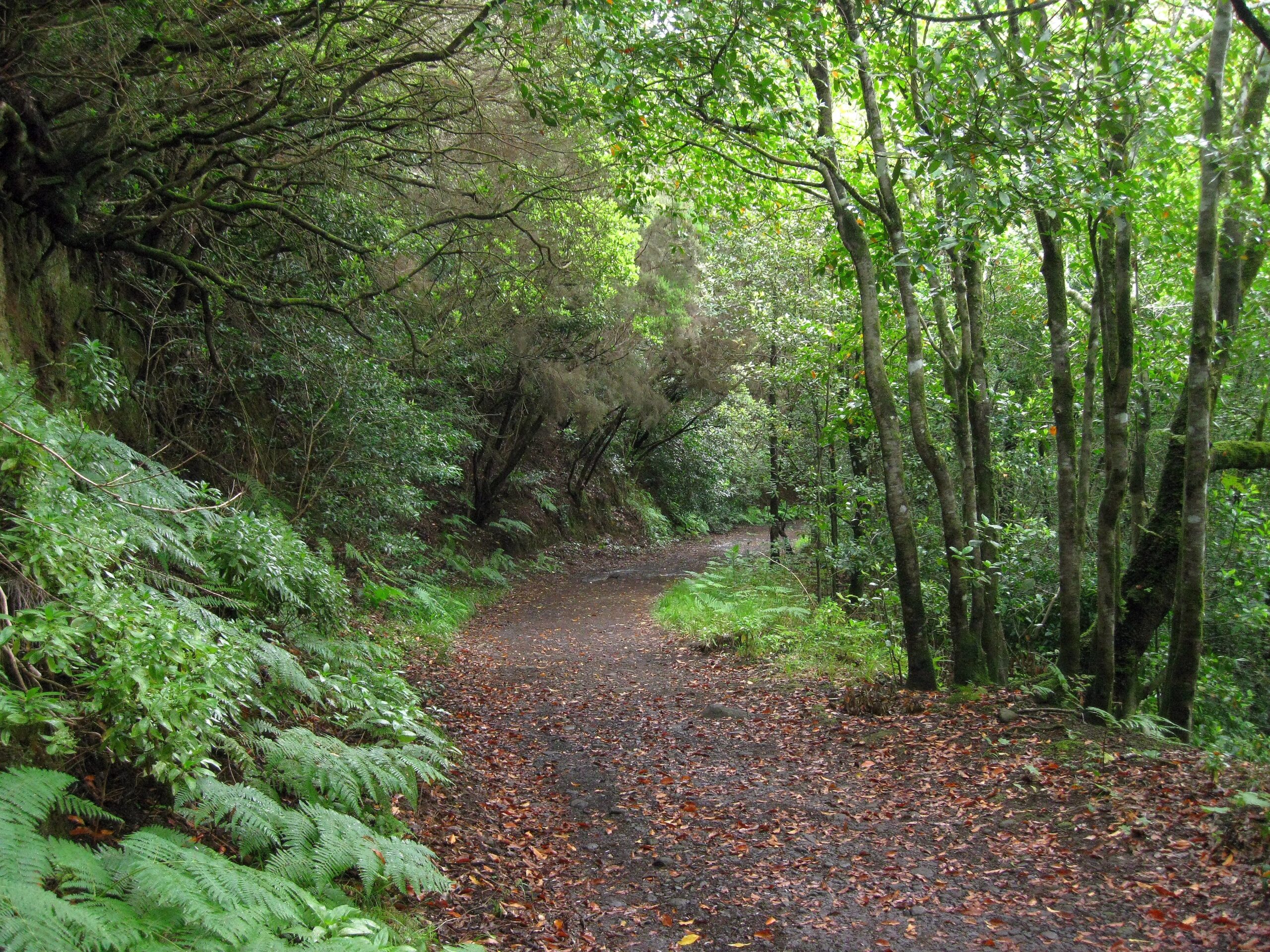
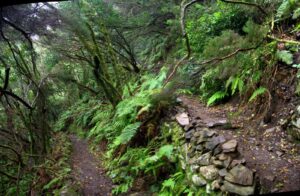
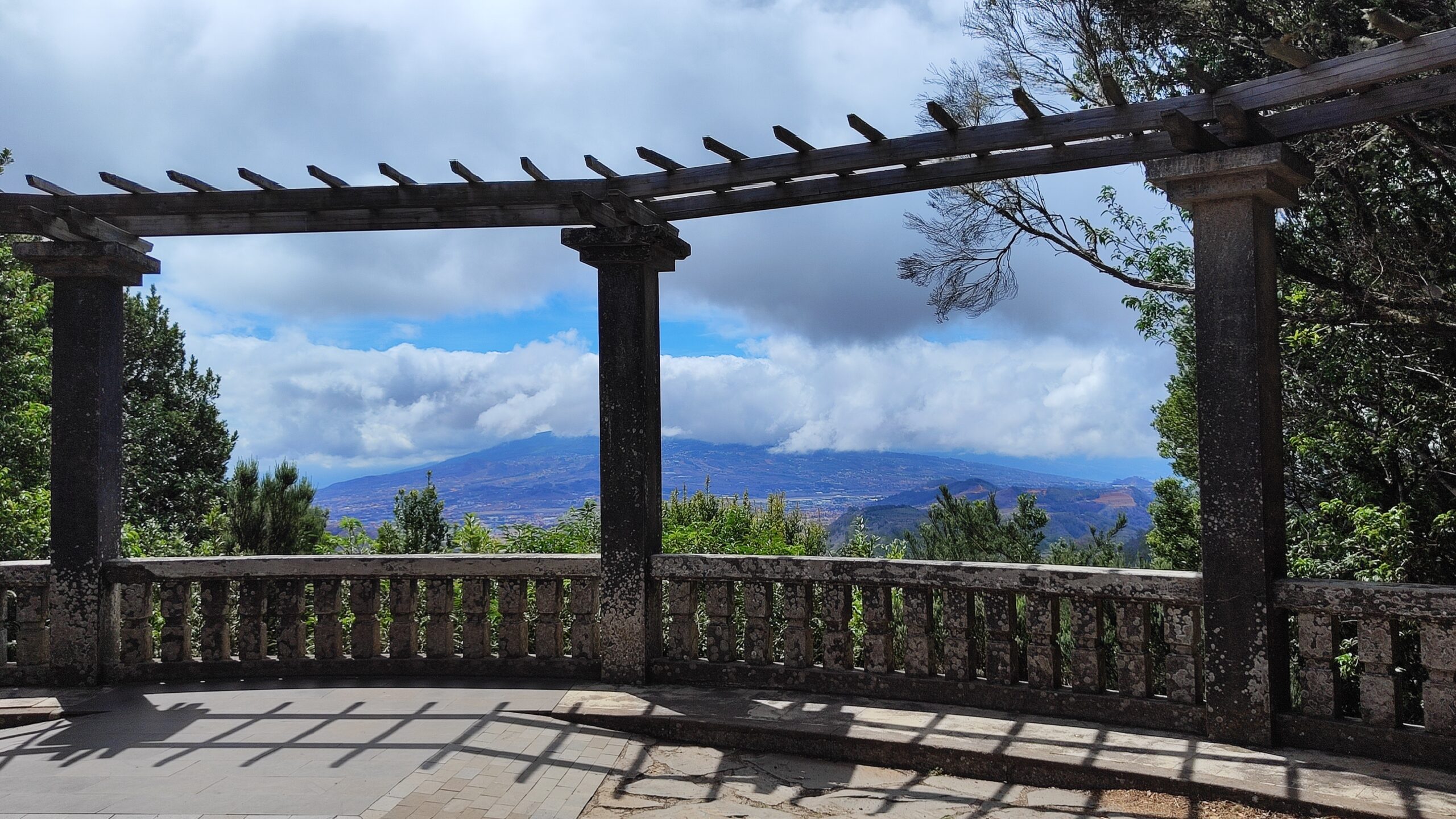
The park’s upper slopes are covered in dense laurel forest — a subtropical woodland fed by horizontal rain, where cloud drifting in from the northeast condenses directly on leaves and branches. Moss, ferns and broad‑leafed laurel species thrive in this constant humidity, forming a green canopy that remains cool and shaded even in summer.
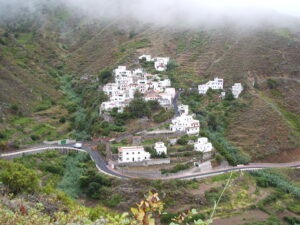
Below the forest belt, narrow valleys open toward the coast, their slopes dotted with small hamlets such as Taganana and Chamorga. These settlements grew in isolation, connected by steep paths long before roads reached the region, and they retain a rural character shaped by terraced agriculture and the surrounding volcanic terrain.
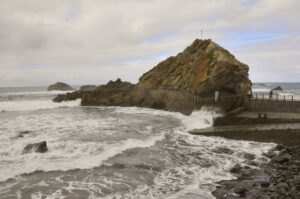
The coastline itself is rugged and exposed. Cliffs fall sharply into the Atlantic, and beaches such as Benijo sit at the foot of dramatic rock formations like Roque de las Ánimas. The contrast between mist‑caught forest above and raw ocean below is one of Anaga’s defining features.
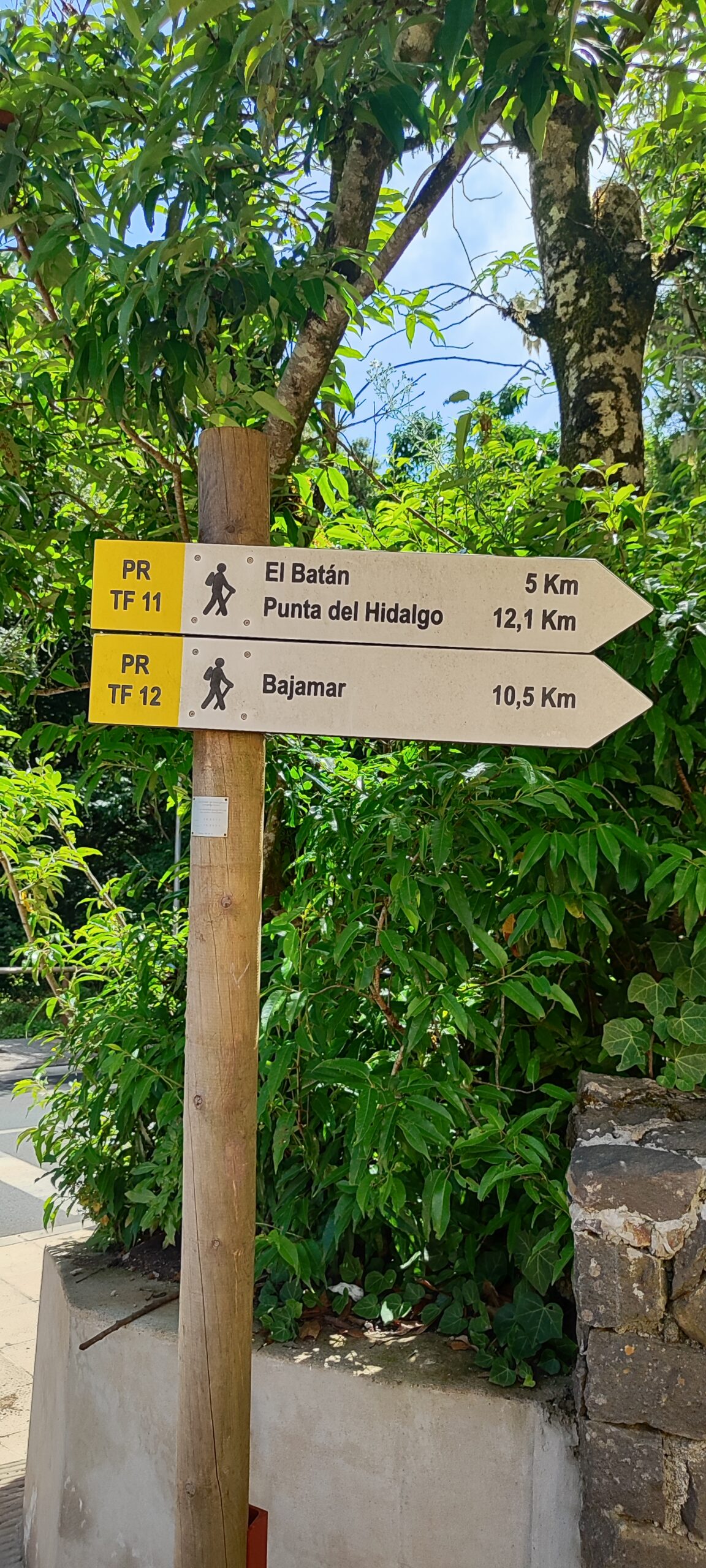
Walking routes cross the massif from ridge to ravine, offering views over both forest canopy and open sea. The terrain is steep but expressive, revealing the age of the volcanic rock and the long geological history that shaped this corner of Tenerife.
Anaga Rural Park remains a landscape where climate, vegetation and ancient geology meet — a cloud‑fed massif that preserves one of the Canary Islands’ most atmospheric environments.