Las Gaviotas
A Black-Sand Cove Below the Anaga Cliffs
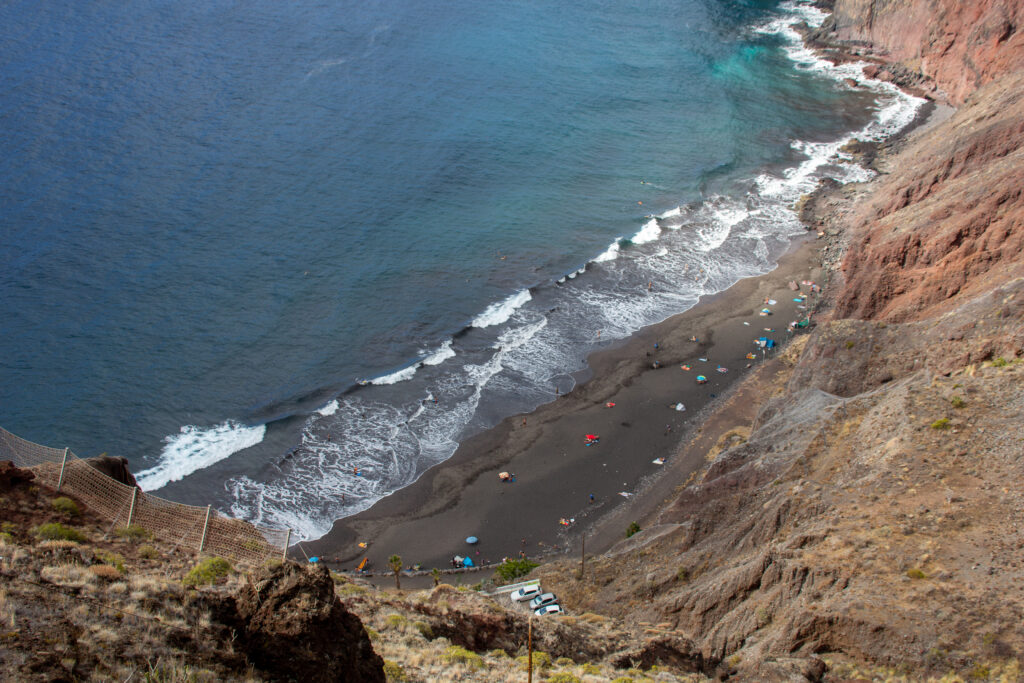
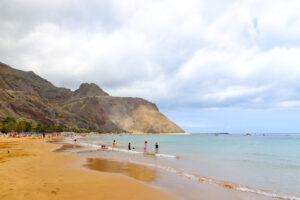
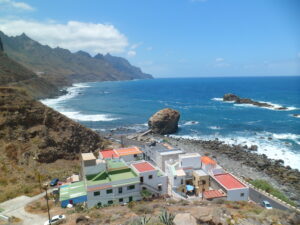
Las Gaviotas is a volcanic-sand beach at the foot of the Anaga massif, reached along the coast from San Andrés. Steep cliffs rise directly behind the shore, and the open Atlantic brings a swell that shapes the whole feel of the place — wilder and quieter than the resort beaches further south.
Las Gaviotas sits where the Anaga massif drops straight into the Atlantic, a short stretch of dark volcanic sand hemmed in by rock on both sides. The cliffs here are part of the same ancient laurel-forest range that dominates the whole of Anaga, and their presence is felt immediately: shade falls early in the afternoon, and the scale of the rock face behind the beach makes the shoreline feel narrow and enclosed by comparison.
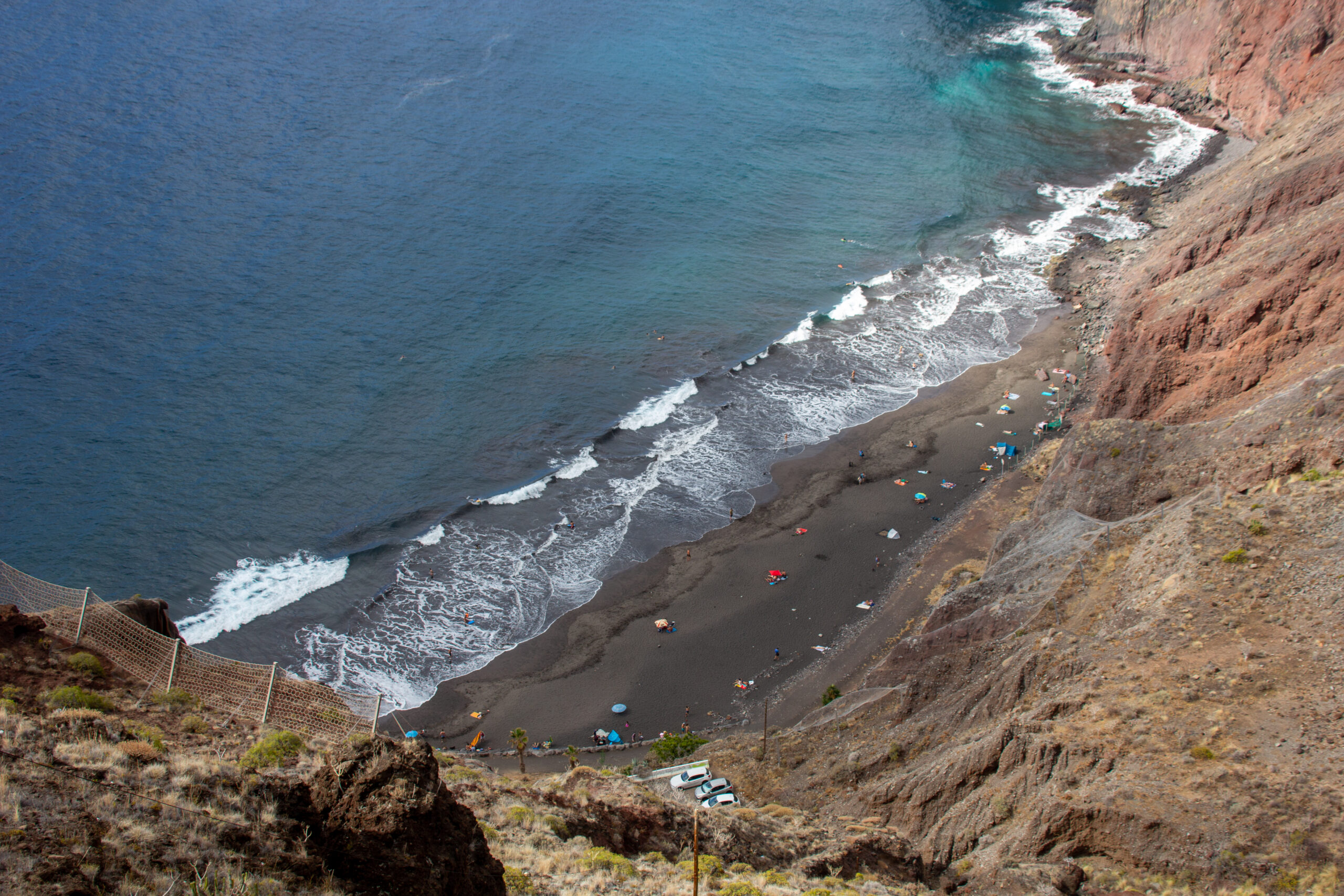
The beach lies close to San Andrés, on the coast just north-east of Santa Cruz, in a stretch where the road gives way to footpaths and the built-up city edge is left behind. Getting to the sand generally means walking, following the line of the coast beneath the cliffs rather than driving straight to it, which keeps the numbers visiting low compared with the beaches inside Santa Cruz itself.
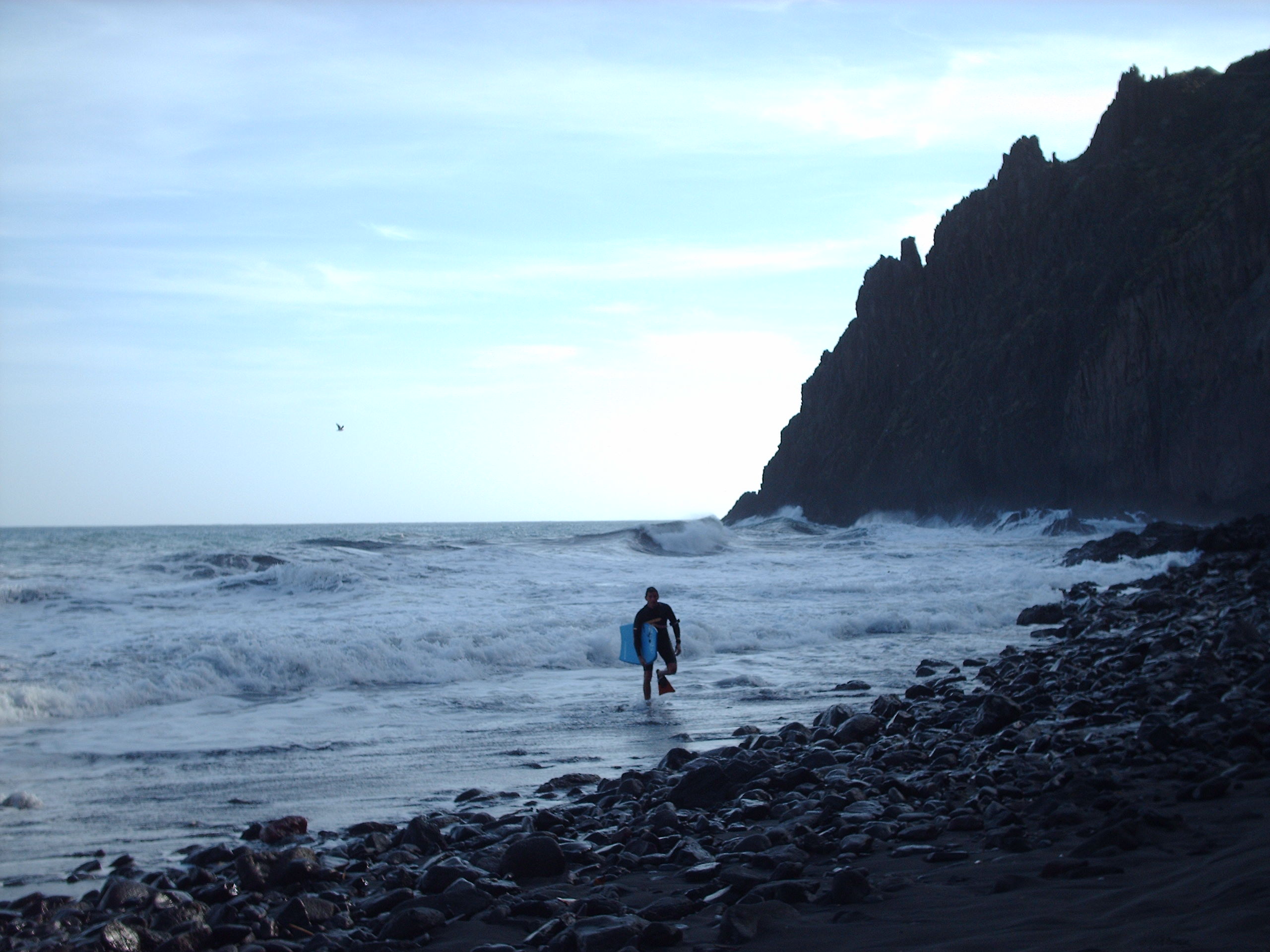
Exposure is the defining fact of this coastline. Facing the open Atlantic with no bay or headland to soften the approach, Las Gaviotas takes the full force of the swell and the trade winds that sweep this side of Tenerife, especially in the cooler months. Conditions can shift quickly from calm to rough, and the sea here should be read with more caution than a sheltered southern cove.
What draws people is precisely this rawness — the sense of a beach shaped by geology and weather rather than by tourism infrastructure. Anaga’s volcanic origins are laid bare in the black sand and the sheer rock walls, and the light along this stretch of coast, filtered through the moisture the massif pulls in from the Atlantic, has a different quality to the drier, sunnier south of the island.