Roque De Las Bodegas
Anaga's Rock-Guarded Shore
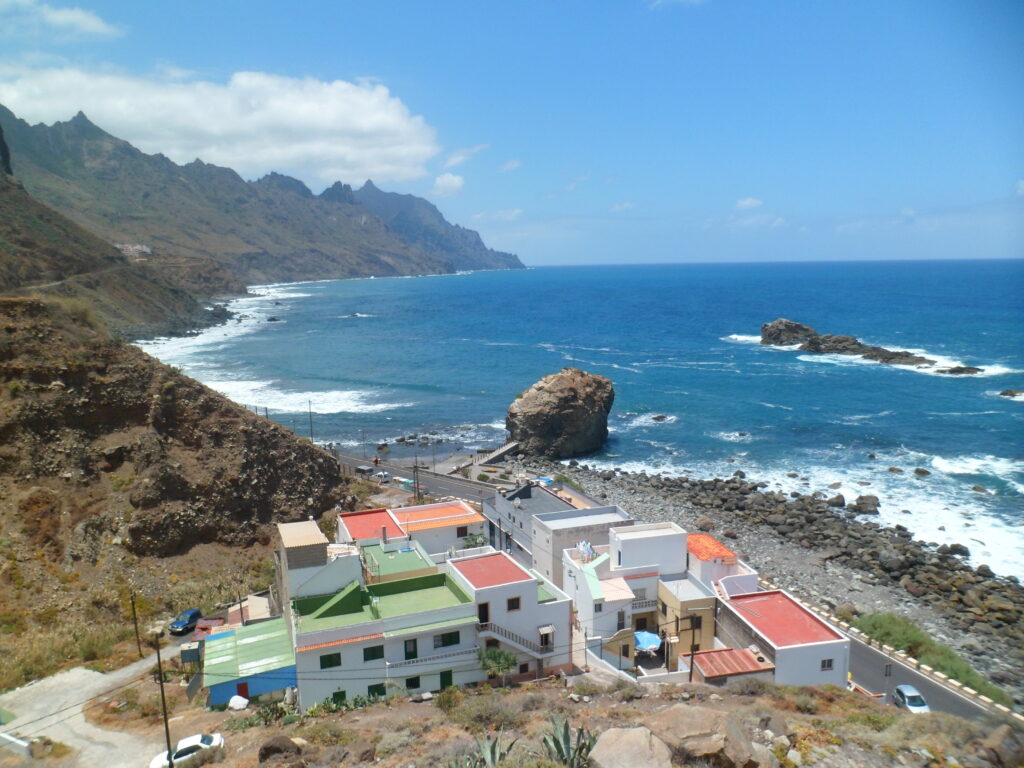
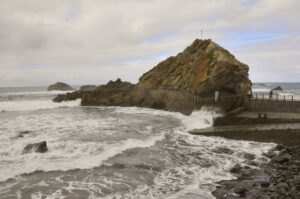
A small coastal hamlet on Tenerife's rugged Anaga coast, named for the sea stack that rises just offshore. Reached by a winding descent from Taganana through laurisilva-cloaked ravines, it offers a quiet stretch of volcanic shoreline framed by cliffs and a handful of modest fish restaurants.
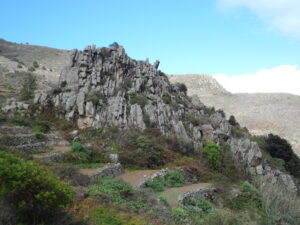
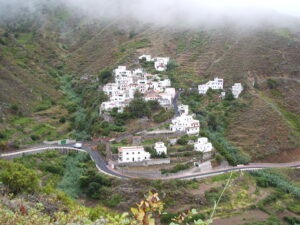
Roque de las Bodegas sits at the foot of the Anaga massif, where the ancient laurel forest gives way abruptly to the Atlantic. The hamlet takes its name from the dark volcanic sea stack just offshore, a remnant of the eruptions that shaped this entire corner of Tenerife millions of years ago. The descent from Taganana follows steep, terraced slopes and barrancos thick with native vegetation, revealing the coastline only at the final bend of the road.
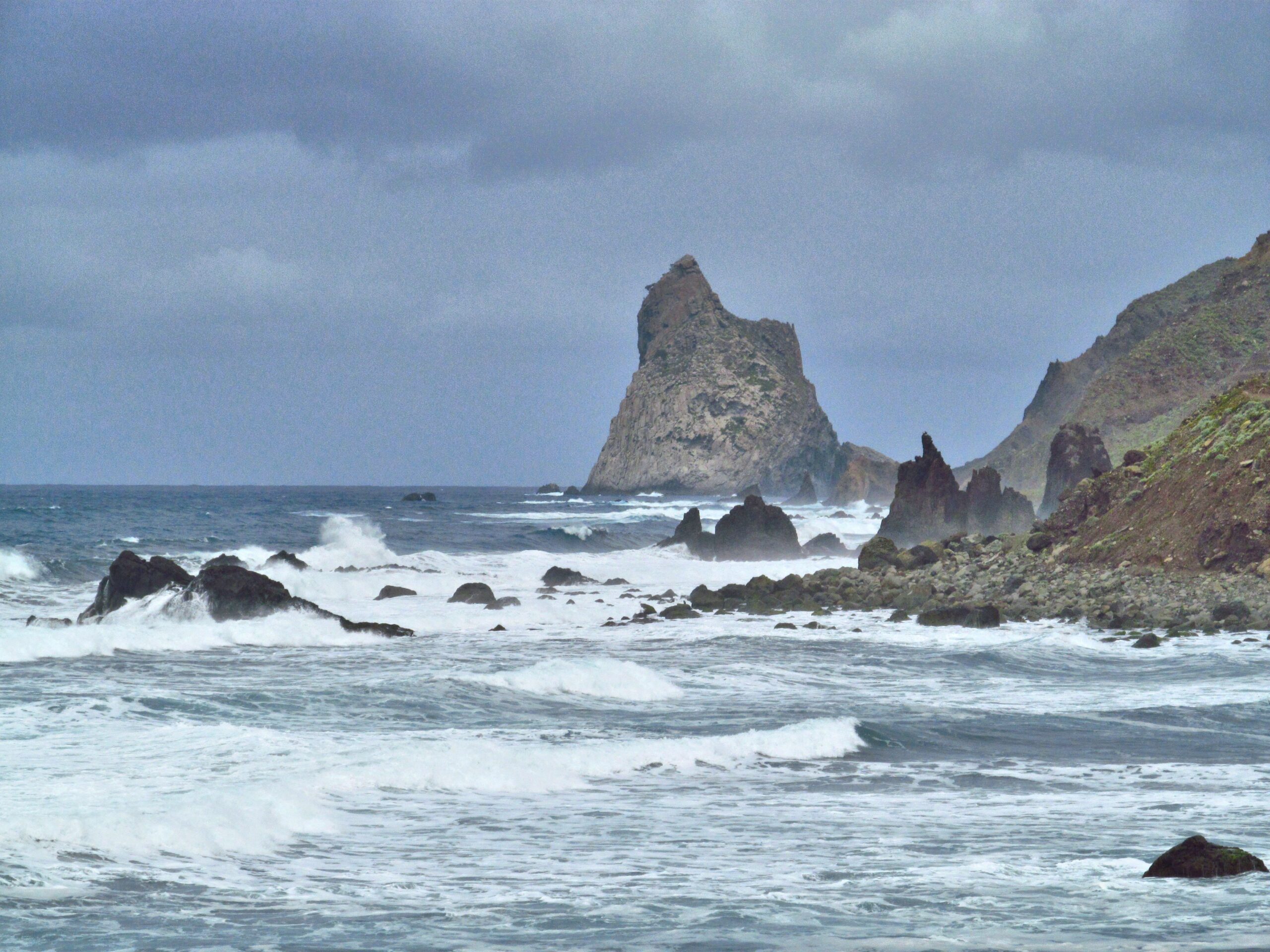
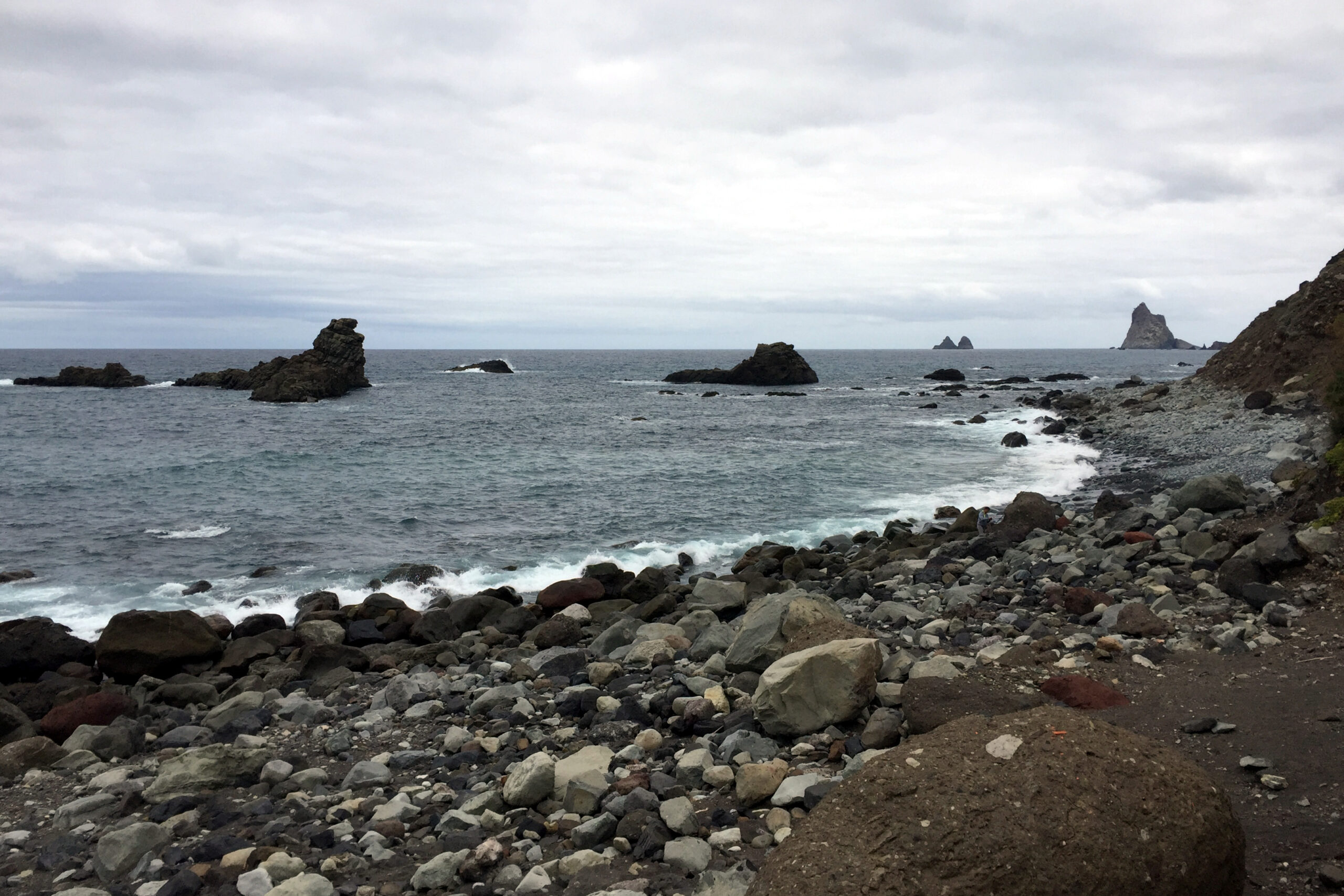
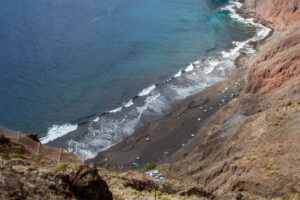
This stretch of shore is typical of Anaga’s northern flank: exposed to the Atlantic swell and the trade winds, with a coastline carved more by erosion and volcanic rock than by the pale sands found further south. Cliffs rise sharply behind the settlement, and the sea is often restless, a reminder that this was always a working coast built around fishing rather than bathing.
Roque de las Bodegas developed as a fishing hamlet, and that history remains visible in its scale — a cluster of houses, a few simple eateries facing the water, and no large resort frontage. It is one of several small communities strung along this remote edge of Tenerife, each tied closely to the rhythms of the sea and to the microclimate created by Anaga’s cloud-catching peaks.
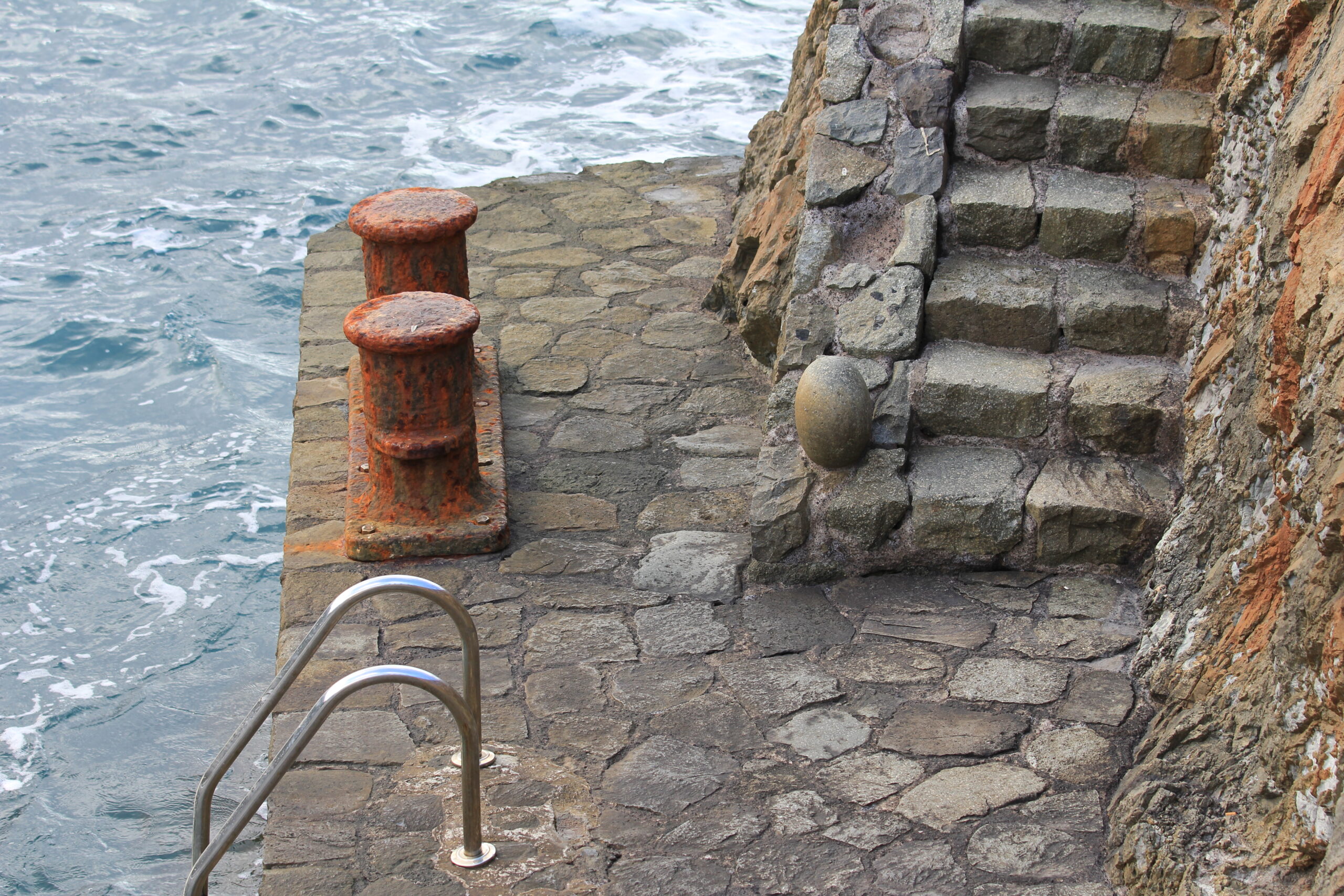
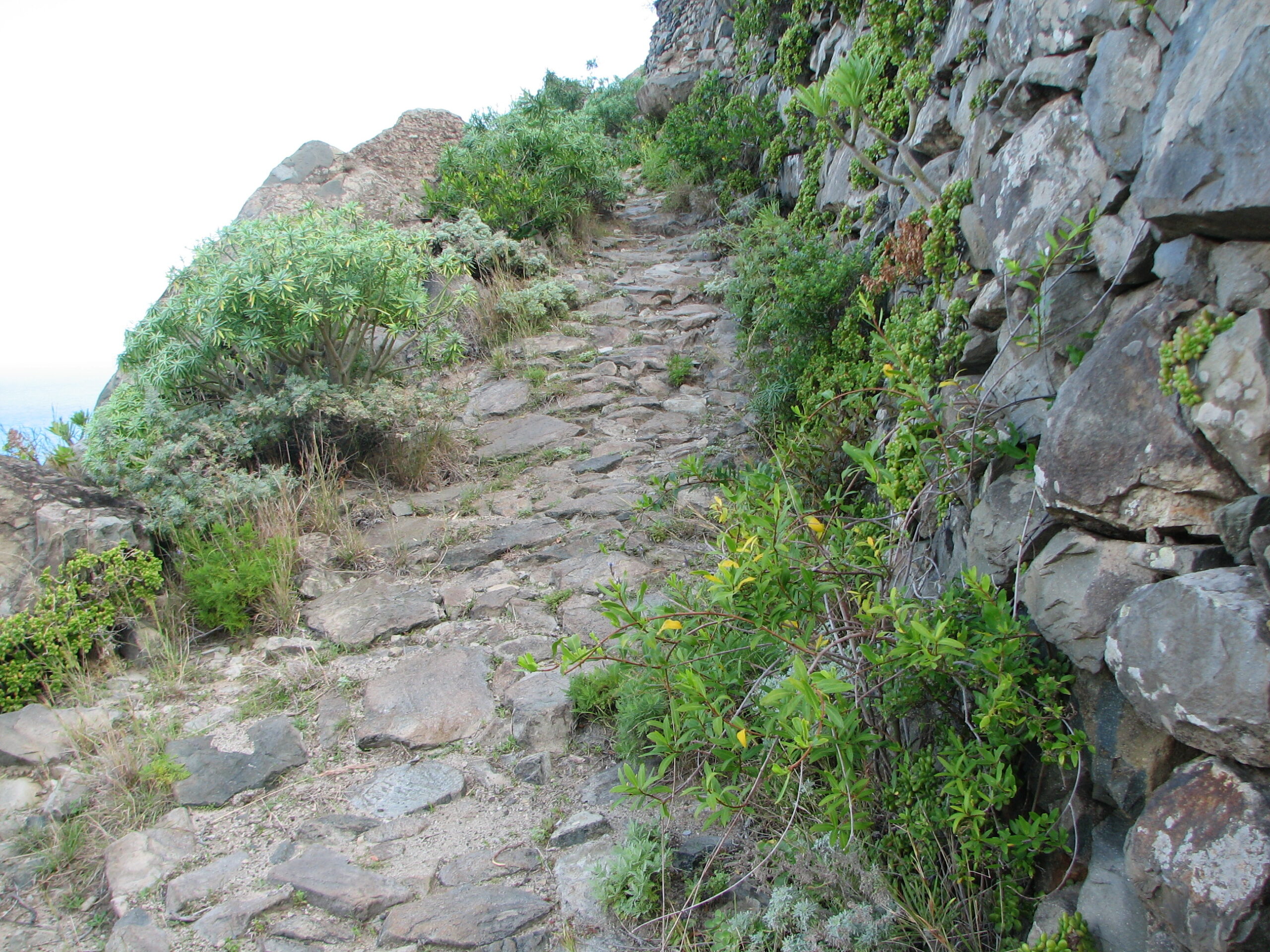
Visitors come for the setting as much as anything else: the contrast between dense, mist-fed forest just above and the bare volcanic coast below, with the roque itself standing sentinel a short distance from the shore. It is a place best appreciated slowly, with time to watch the waves break against the rock and to take in the raw Atlantic horizon rather than a destination shaped for organised amenities.