Las Teresitas Beach
Anaga's Sheltered Arc by the Capital
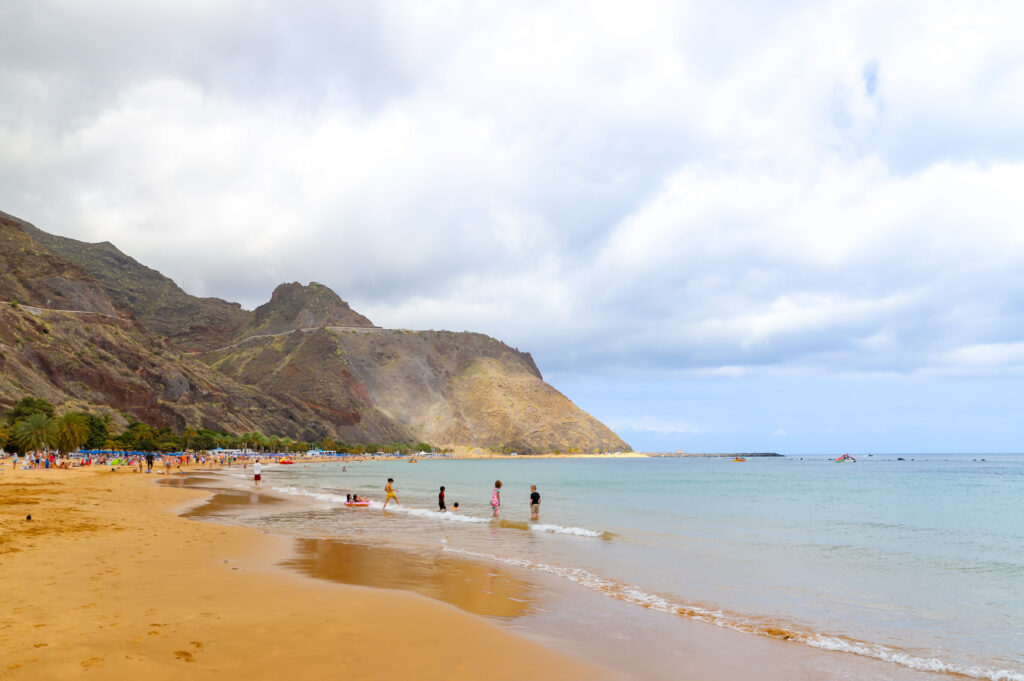
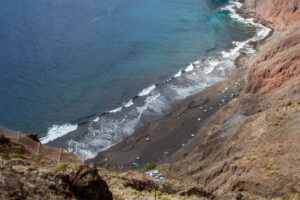
Las Teresitas sits where the volcanic ridges of Anaga fall away toward the sea, a curved bay within easy reach of Santa Cruz de Tenerife. Sheltered from the open Atlantic swell, it offers calmer water than the wilder coves further into the massif, framed by steep, green-flushed slopes.
Las Teresitas sits at the threshold of the Anaga massif, where its ancient volcanic ridges ease towards the coastal plain north of Santa Cruz. The bay forms a wide, natural arc between two headlands, giving it a calmer, more sheltered character than the rugged coves further up the Anaga coast, where cliffs plunge straight into deep water and the Atlantic rarely rests.
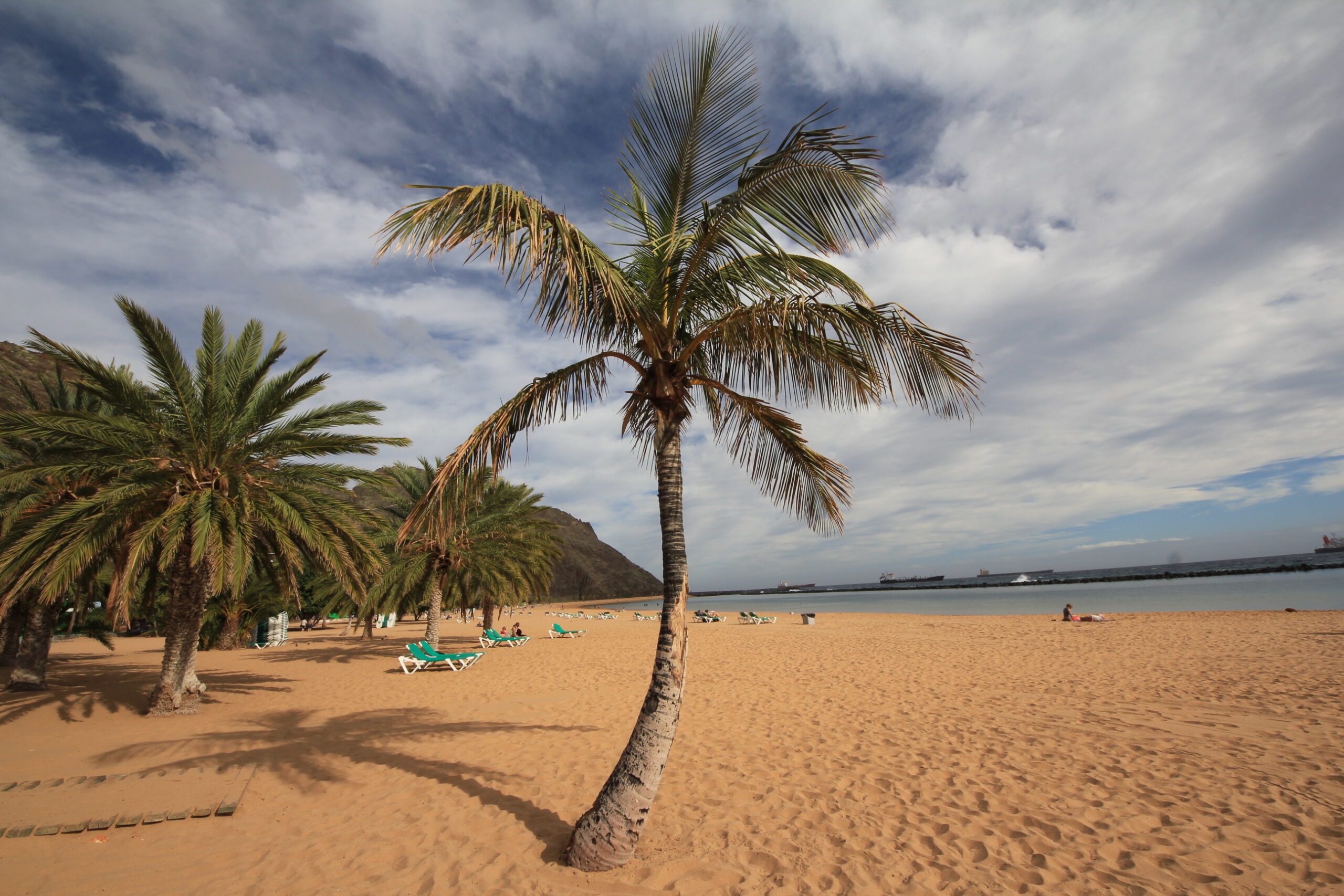
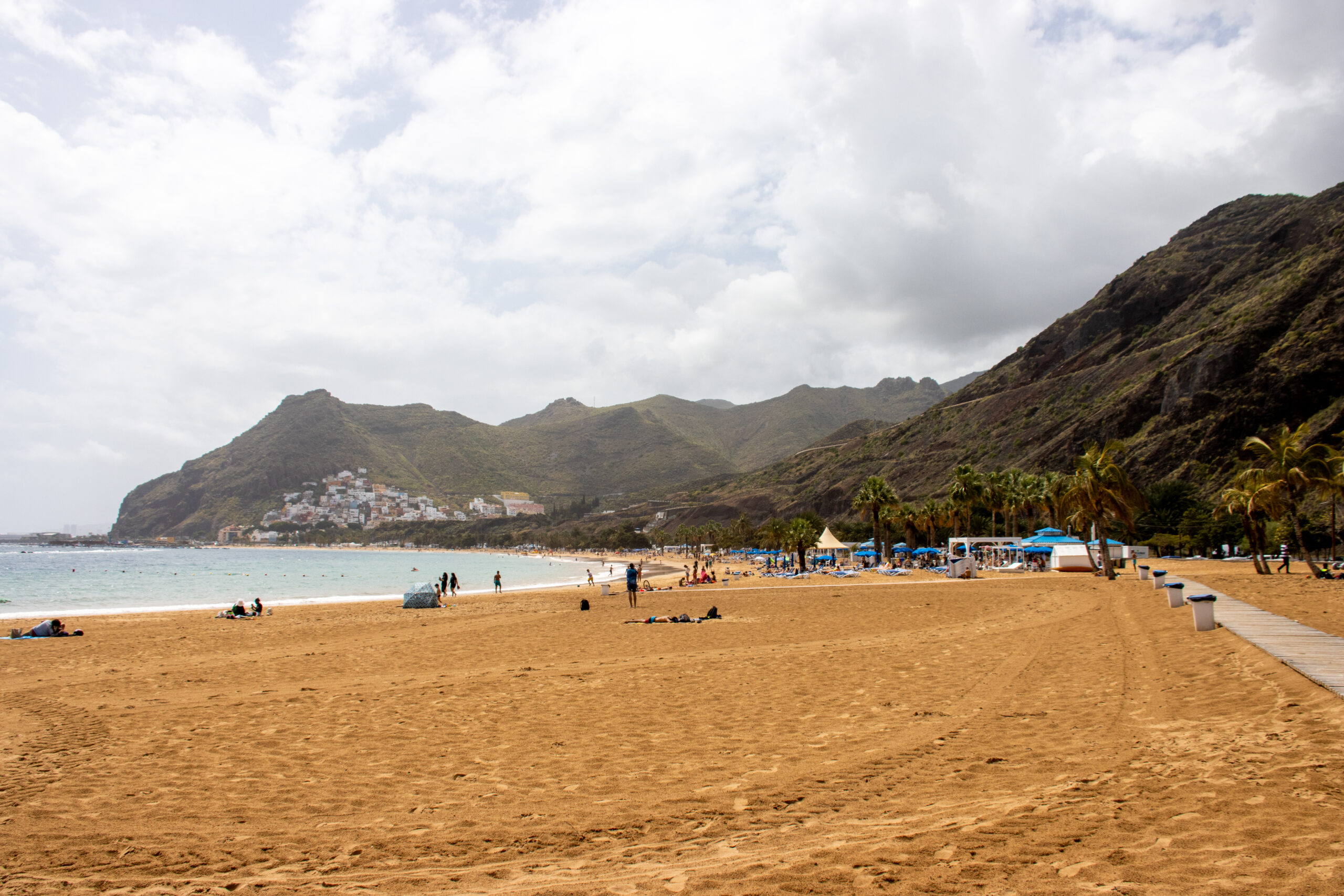
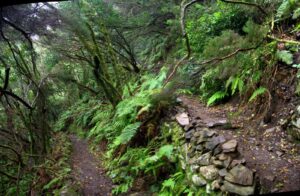
The drama of the setting comes from Anaga itself – one of Tenerife’s oldest and most expressive volcanic formations, carved by steep ravines and draped in laurel‑tinged vegetation on its upper slopes. Trade winds from the north‑east catch on these heights, pulling cloud across the ridgelines even on days when the shoreline below remains bright and still, a contrast typical of this side of the island.
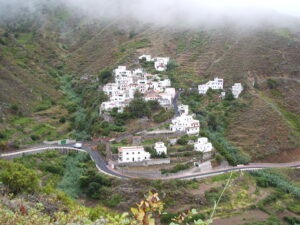
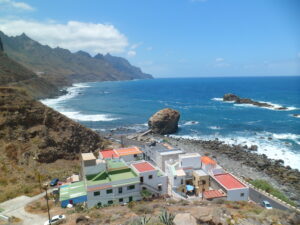
Its proximity to the capital has long made Las Teresitas a natural escape for residents of Santa Cruz: a short drive that leads from urban energy into a landscape that feels markedly more rural and untouched. The road north traces the base of the mountains, passing small settlements shaped by fishing and farming long before tourism transformed the southern coast.
What defines Las Teresitas is the juxtaposition – a broad, gentle bay lying directly beneath one of Tenerife’s wildest and least developed massifs, with the city only minutes away and the deep ravines of Anaga rising immediately behind.