Garachico Old Town
Rebuilt on Black Rock
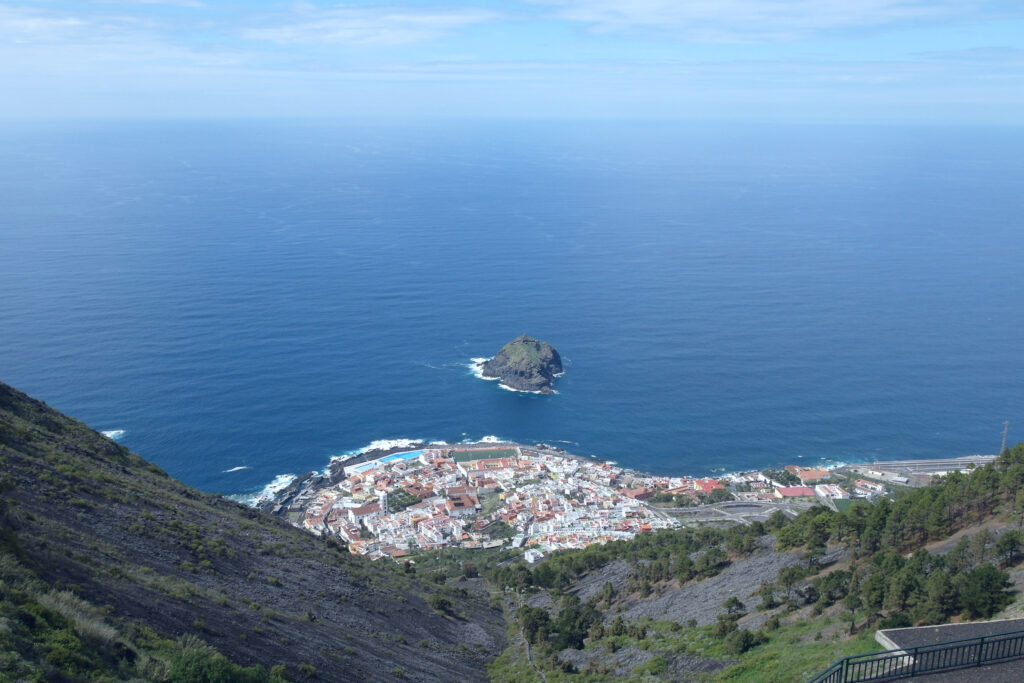
A former Atlantic trading port on Tenerife's rugged north coast, Garachico's old town preserves cobbled streets, stone mansions and shaded squares built after the settlement was reshaped by volcanic eruption. Its quiet, low-rise centre reflects a working harbour history rewritten by lava.
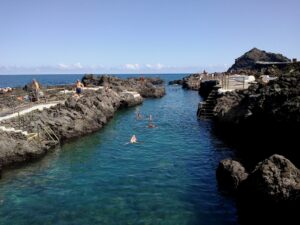
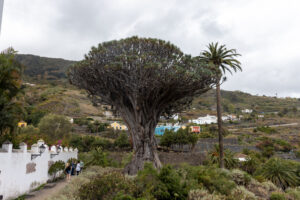
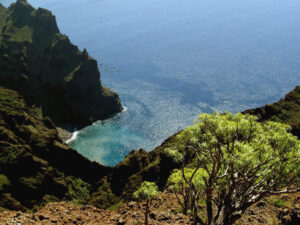
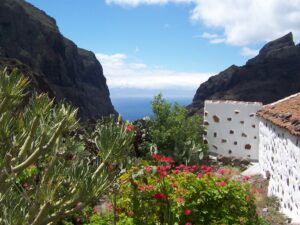
Garachico sits on Tenerife’s north coast, where steep vine-covered slopes and banana terraces descend towards a shoreline built of black volcanic rock. The old town occupies one of the few level shelves of land along this rugged coast, a flat platform at the foot of basalt cliffs that gives the settlement its compact, walkable shape.
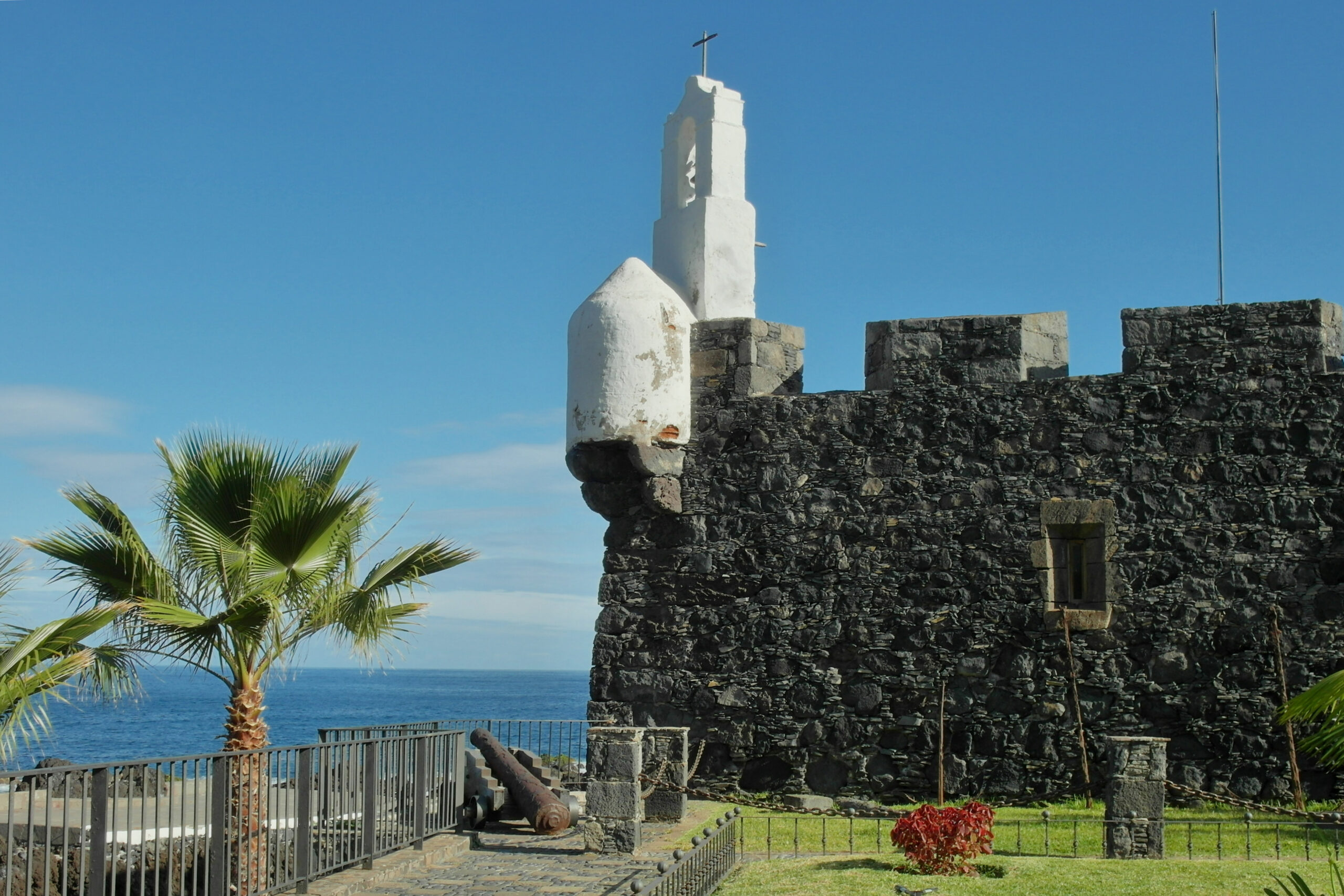
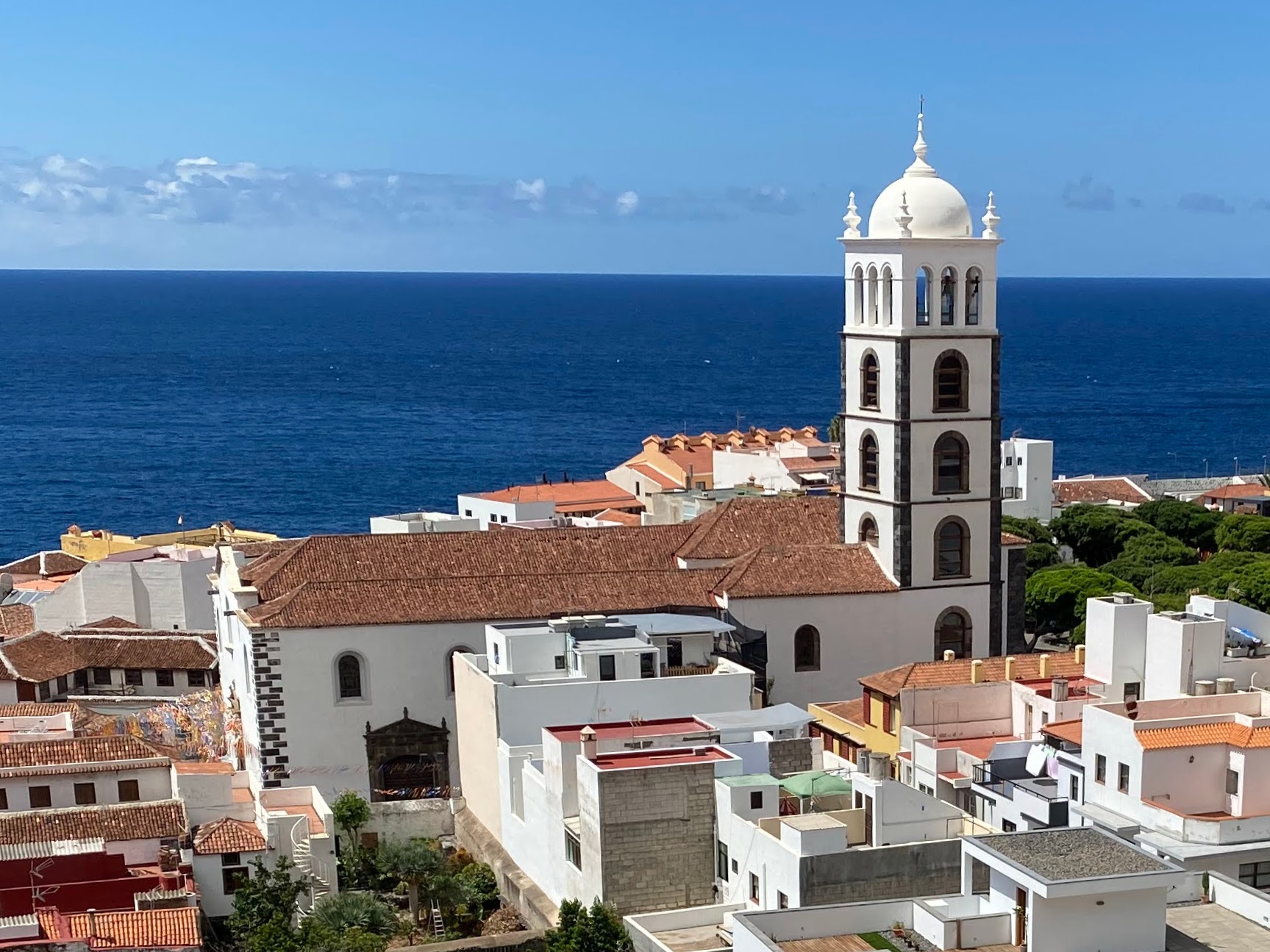
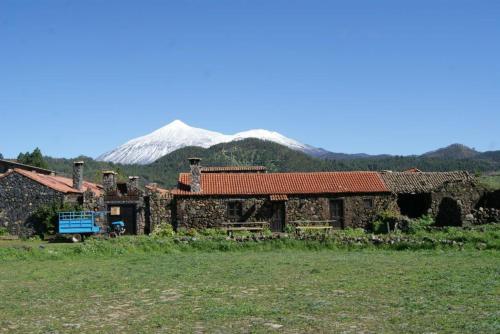
The streets follow the grid typical of early colonial ports, narrow and largely pedestrian, lined with townhouses built from locally quarried volcanic stone. Carved wooden balconies, deep-set doorways and internal courtyards speak to the prosperity Garachico once held as one of Tenerife’s principal harbours. That era ended abruptly in the early eighteenth century, when an eruption sent lava into the bay and buried much of the original port.
Rebuilding did not erase the town’s character; it reshaped it. The surviving core became the foundation for a quieter, more modest centre of churches, former convents and shaded civic squares. Laurel and Indian laurel fig trees cast deep shade across the plazas, keeping them cool even in summer and giving the town a rhythm distinct from the hotter, drier south.
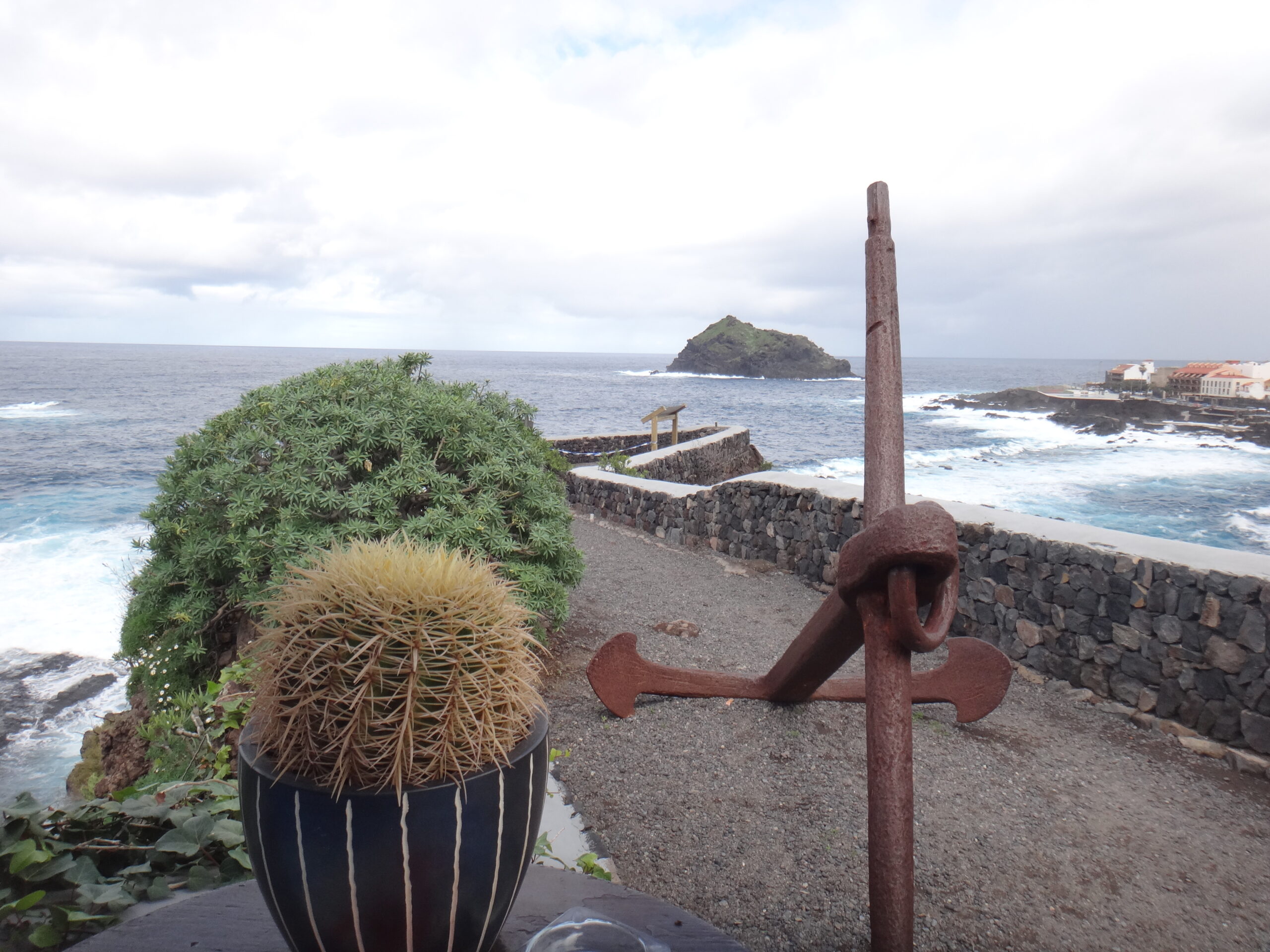
Beyond the main square, the grid softens into residential lanes where balconies carry washing lines and small workshops operate from ground-floor rooms. The pace is unhurried, shaped by Garachico’s position away from the island’s main tourist corridors and by the north coast’s cooler, wetter climate, which keeps the surrounding hillsides greener than almost anywhere else on Tenerife.
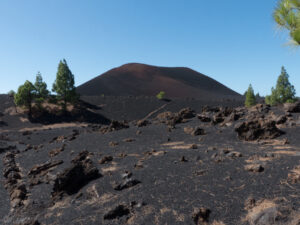
What defines Garachico today is the interplay between geology and history — a town rebuilt on the very lava that once destroyed its harbour, preserving a sense of place that feels both resilient and deeply tied to the volcanic landscape around it.