Drago Park
Among Icod's Ancient Dragon Trees
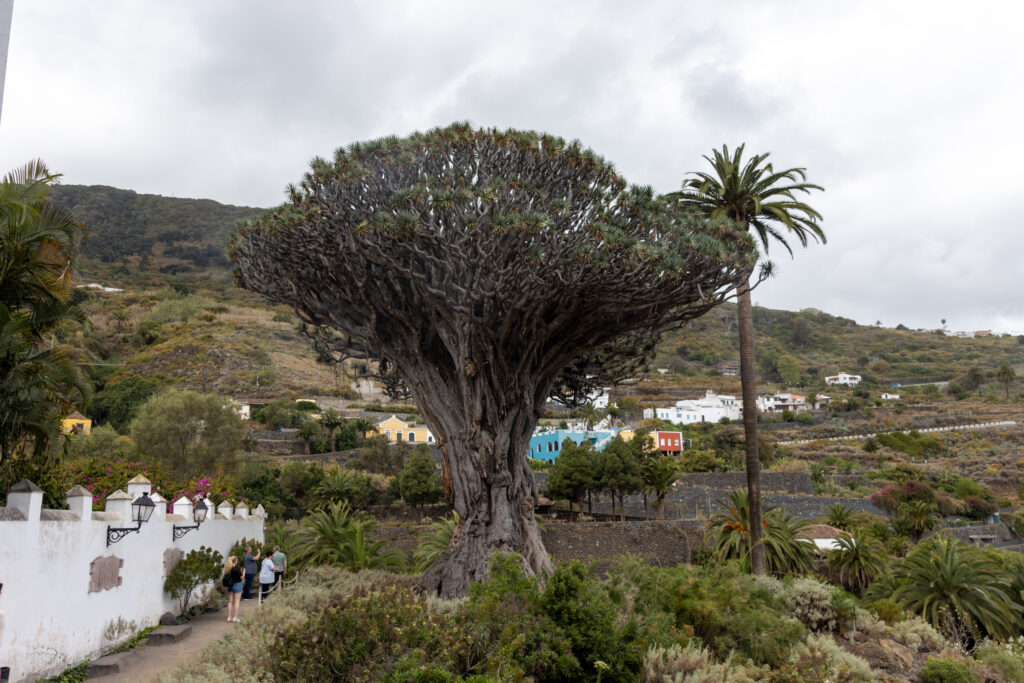
A landscaped natural area in Icod de los Vinos, on Tenerife's northern slopes, where volcanic terrain and the island's characteristic dragon trees create a distinctive green space within a town long associated with wine and traditional agriculture.
Drago Park sits on the north-facing slopes of Icod de los Vinos, where volcanic soils, terraced agriculture and moisture carried in on the trade winds create one of Tenerife’s greenest pockets. The park occupies a fold in this landscape, giving visitors a close view of the dragon tree, Drago tinerfeño — a slow-growing, branching succulent species endemic to the Canary Islands and deeply tied to Icod’s identity.
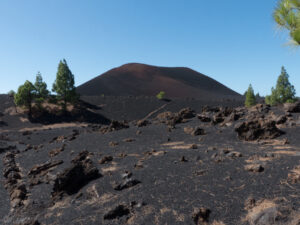
The setting reflects the wider character of the region: black volcanic ground underfoot, terraced slopes rising behind the town, and a climate softened by cloud and rainfall funneled up from the Atlantic. These conditions have long supported both traditional wine-growing — from which Icod de los Vinos takes its name — and the survival of plant species that have disappeared from drier parts of the island.
Dragon trees are unmistakable. Their thick, sculptural trunks divide into a canopy of stiff, blue-green leaves, and they grow at a pace measured in centuries. Walking through the park offers views of specimens at different stages of maturity, from younger trees with tight crowns to older giants whose branching silhouettes dominate the terraces. The contrast between their pale bark and the dark volcanic soil gives the landscape a distinctive northern character.
Paths wind between native vegetation, cultivated plots and viewpoints overlooking Icod’s rooftops and the wider slope running down towards the coast. As a natural area rather than a formal garden, Drago Park works as a quiet, shaded pause within the town — a place to slow down and take in a landscape shaped equally by volcanic geology, moisture-rich climate and centuries of careful cultivation.