El Caleton Rock Pools
Where Garachico's Lava Meets the Atlantic
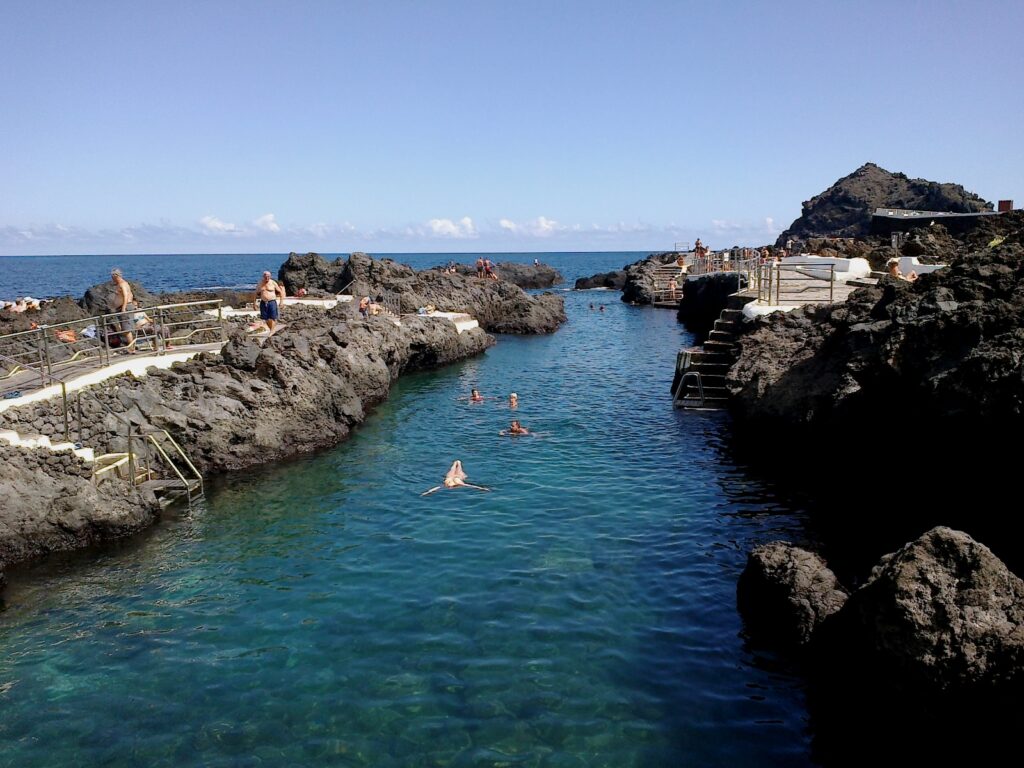
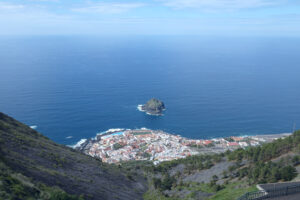
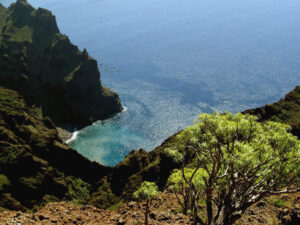
Natural volcanic pools carved into the black rock shore below Garachico, on Tenerife's rugged north coast. Formed where an old lava flow reached the sea, they offer sheltered pockets of clear Atlantic water framed by dark basalt, a quieter alternative to the island's sandy beaches.
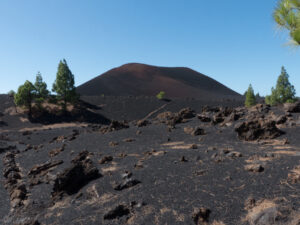
El Caletón sits where Garachico’s lava meets the Atlantic — a shoreline shaped not by sand but by fire. The town’s edge is a field of solidified basalt, the remains of the eighteenth‑century eruption that buried Garachico’s historic harbour and created the rock formations now used as natural bathing pools.
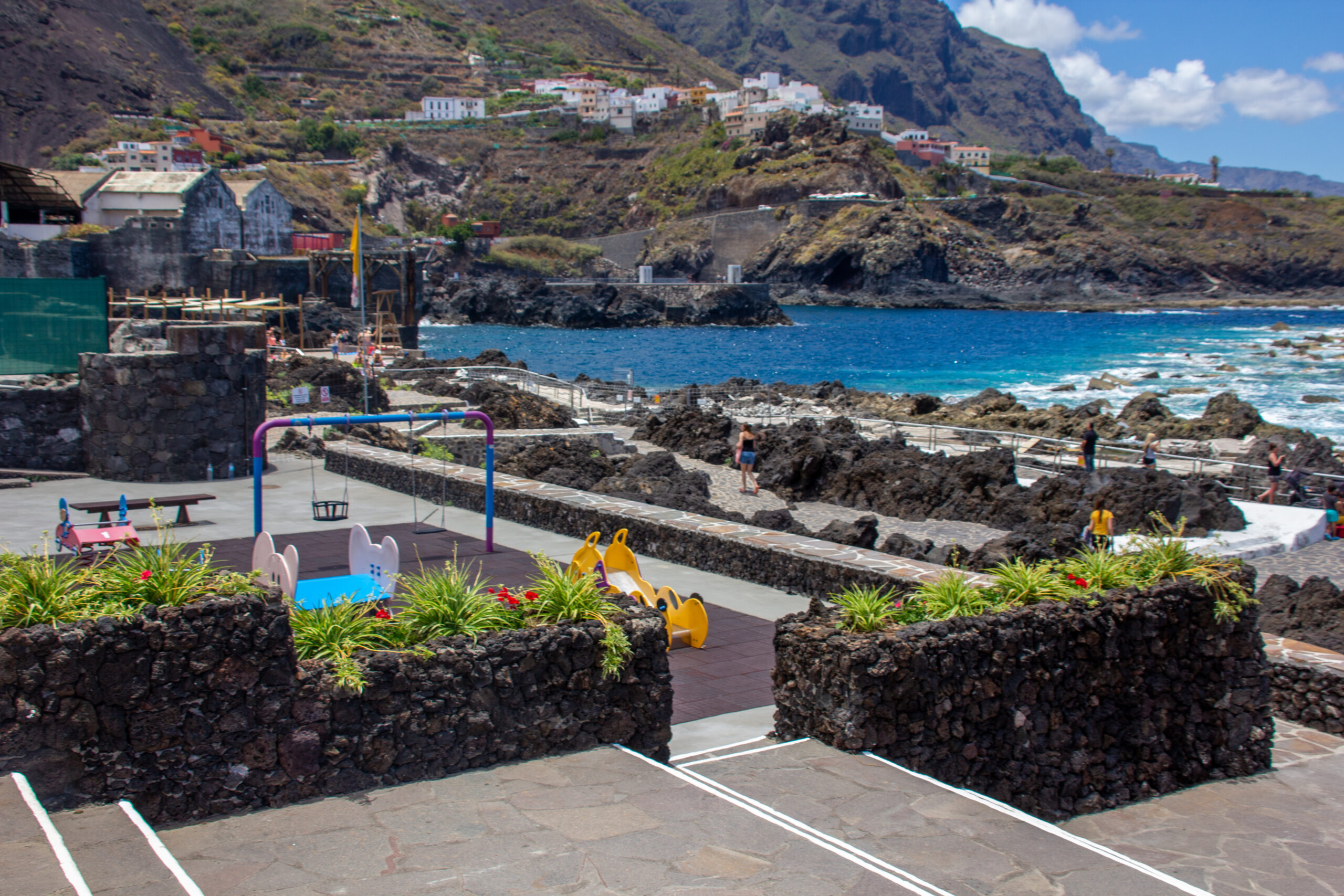
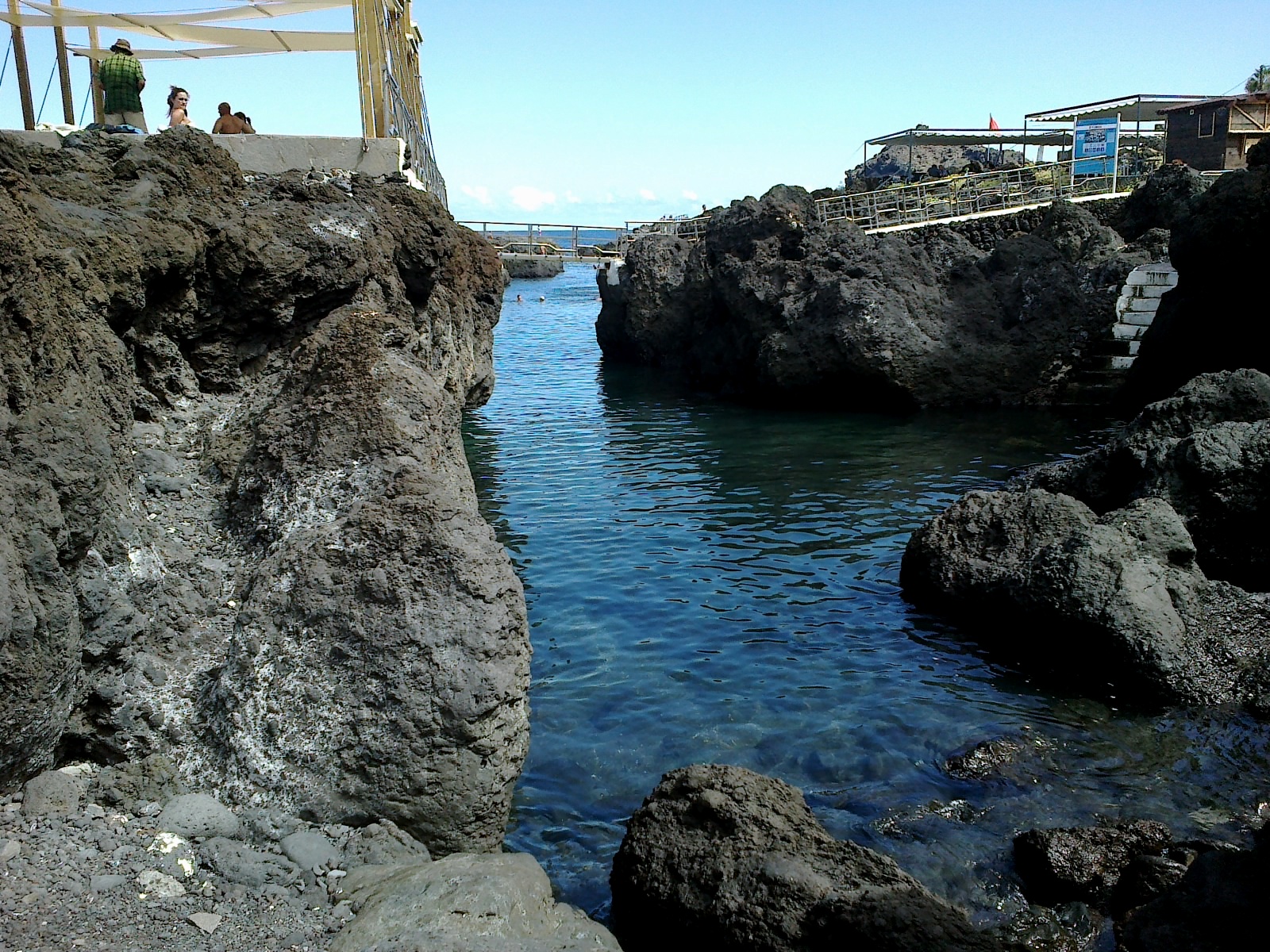
The pools form where the lava flow met the sea and cooled into basins, channels and shelves. Seawater moves through them with the swell, filling and draining in a rhythm that softens the force of the open Atlantic. Waves break against the outer rocks and settle before reaching the inner pools, leaving pockets of calmer, clearer water that contrast sharply with the restless ocean just beyond.
The north coast catches the brunt of the trade winds and Atlantic moisture, and the water here tends to run cooler and more transparent than on Tenerife’s sheltered southern beaches. Underfoot, the basalt is dark and pitted, sharp in places, smoothed in others by generations of swimmers and the constant movement of water.
Garachico’s history is written directly into this landscape. The same lava that reshaped the coastline created the pools, turning a destructive event into one of the town’s most distinctive features. The older streets rise just behind the shore, their volcanic‑stone facades visible from the rocks, tying the pools to the rebuilt harbour town above.
El Caletón suits visitors who prefer rock to sand — those happy to swim among volcanic formations with the open Atlantic in view. It is a place where geology is felt immediately, and where Garachico’s past and present meet at the edge of the sea.