Cueva Del Viento Lava Tube
A Volcanic Tunnel Beneath Icod
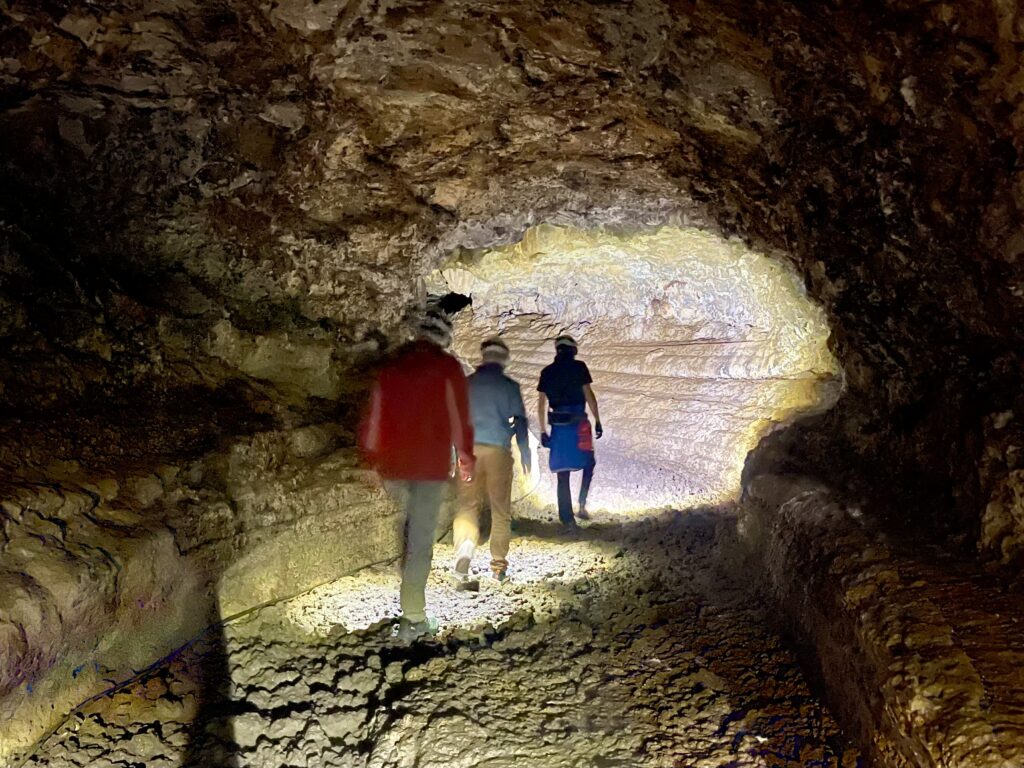
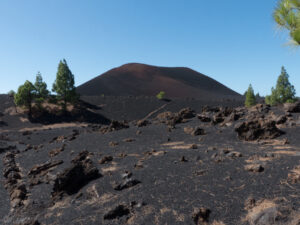
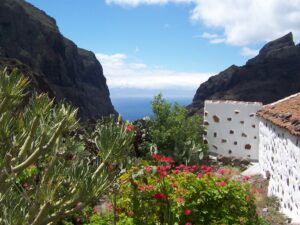
A lava tube carved by an ancient eruption of Pico Viejo, reached through the terraced hillsides above Icod de los Vinos on Tenerife's north coast. Beneath fields of vines and laurel woodland, the volcano's molten rock left behind a dark, cool passage through solid basalt.
Above the terraced vineyards of Icod de los Vinos, where the land begins its long climb towards Pico Viejo, the ground hides a network of basalt tunnels carved not by water but by molten rock. Cueva del Viento formed when rivers of lava cooled unevenly: the outer crust solidified while liquid rock continued to flow beneath, eventually draining away and leaving hollow galleries stacked in tiers inside the mountainside.
The tube follows the natural gradient the lava once took on its way downslope towards the coast. Multiple levels cross and connect, evidence of repeated eruptive pulses rather than a single event, and the rock walls still carry the ropy textures and flow lines typical of basaltic lava as it folded and moved before setting.
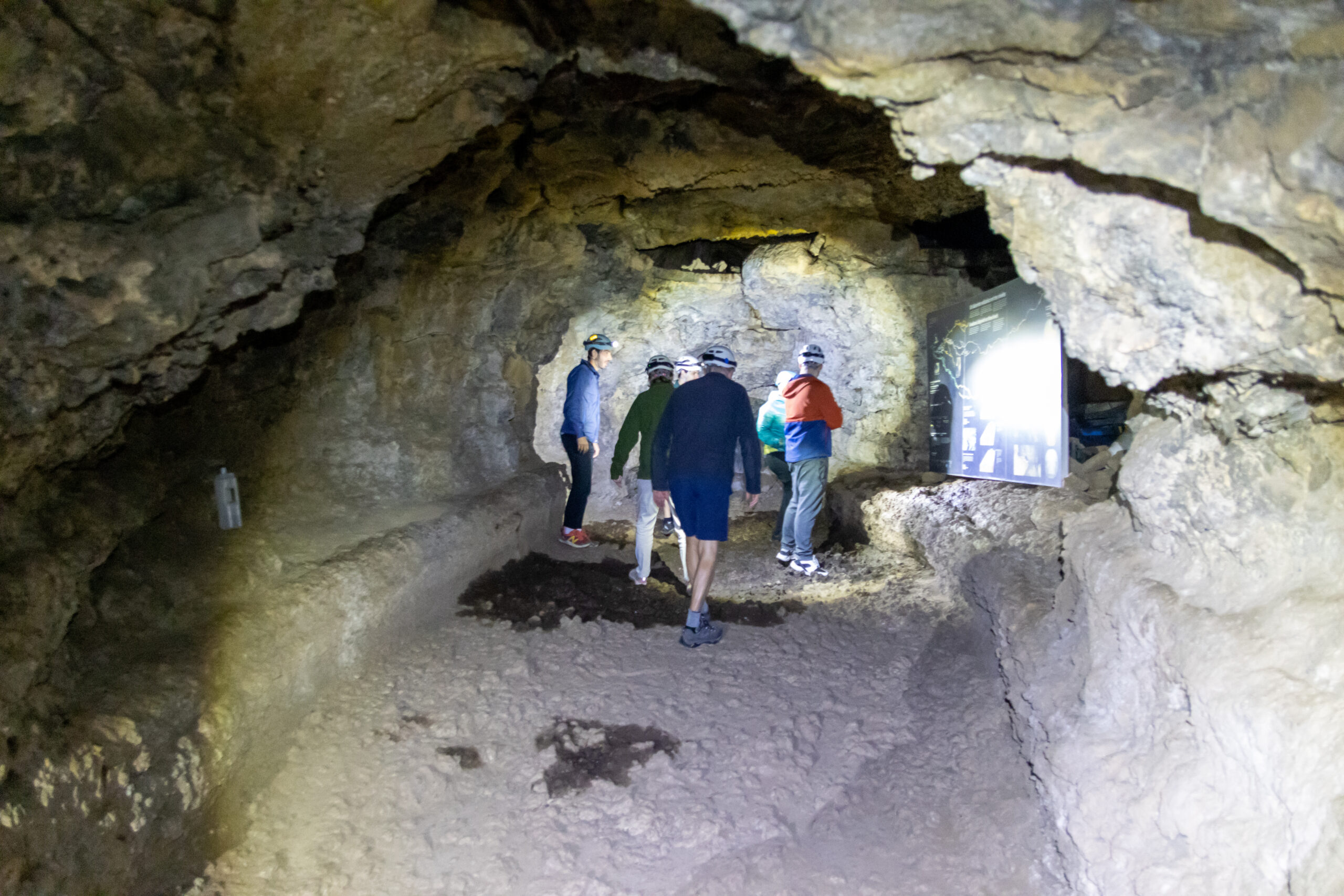
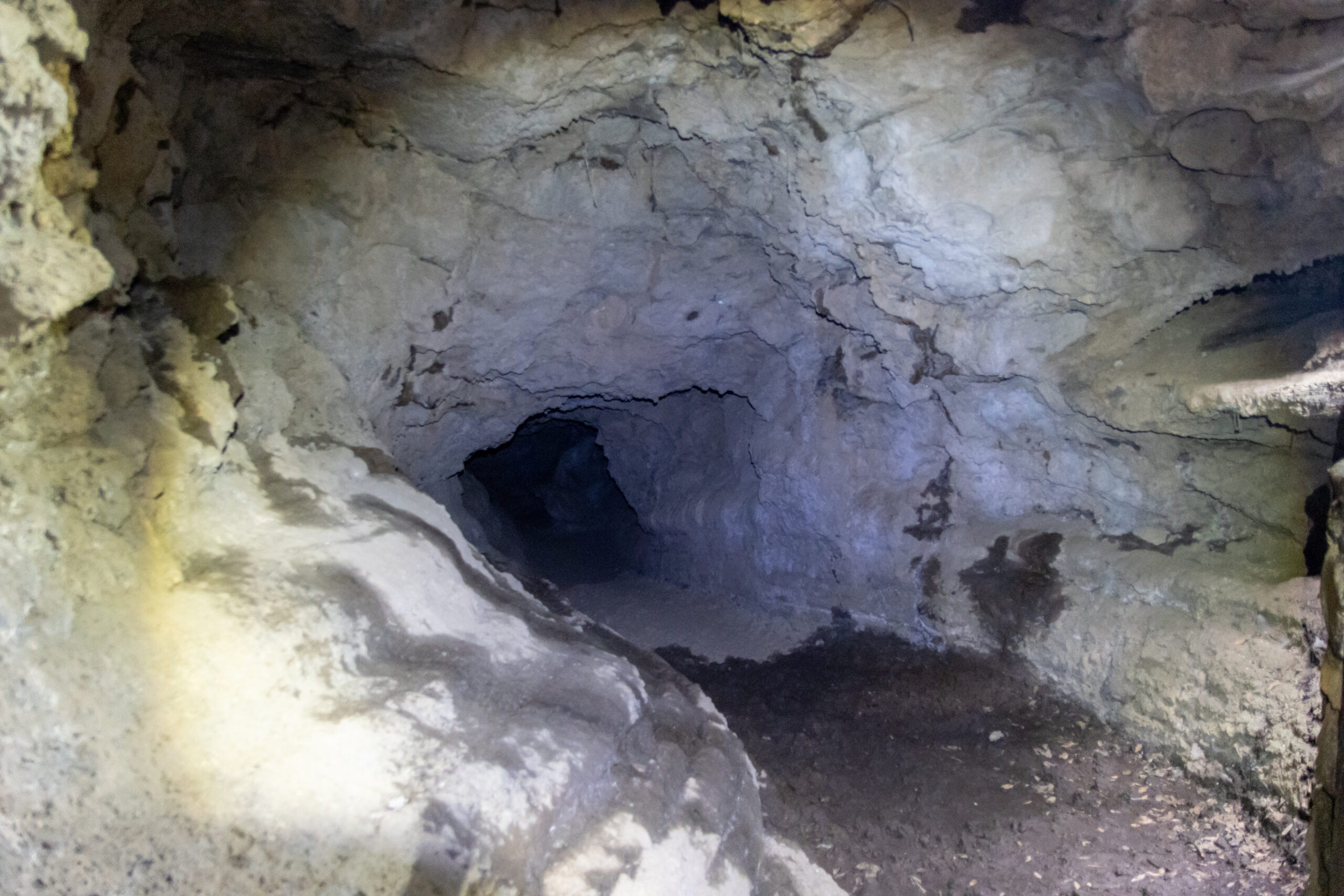
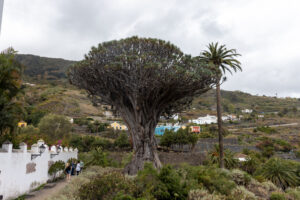
Unlike the sun‑bleached coastline below, the tube lies within the cooler, greener middle altitudes of northern Tenerife, where cloud and moisture linger and the vegetation shifts from cultivated terraces towards laurisilva and pine. Inside, the temperature drops sharply and the darkness becomes complete once away from the entrance — a reminder of how much of Tenerife’s interior was built layer upon layer by eruptions from the Teide–Pico Viejo complex.
Access is controlled, with guided visits explaining the volcanic processes at work and pointing out features characteristic of lava tubes across the island’s flanks. The rock itself reads like a geological record: ridges, layers and frozen flow lines marking the movement of molten basalt thousands of years ago.
Cueva del Viento is a direct, physical link between the landscape visitors see on the surface and the forces that built it — a subterranean imprint of the eruptions that shaped Icod de los Vinos and the wider north coast.