Vegueta Old Town
The Historic Heart of Las Palmas
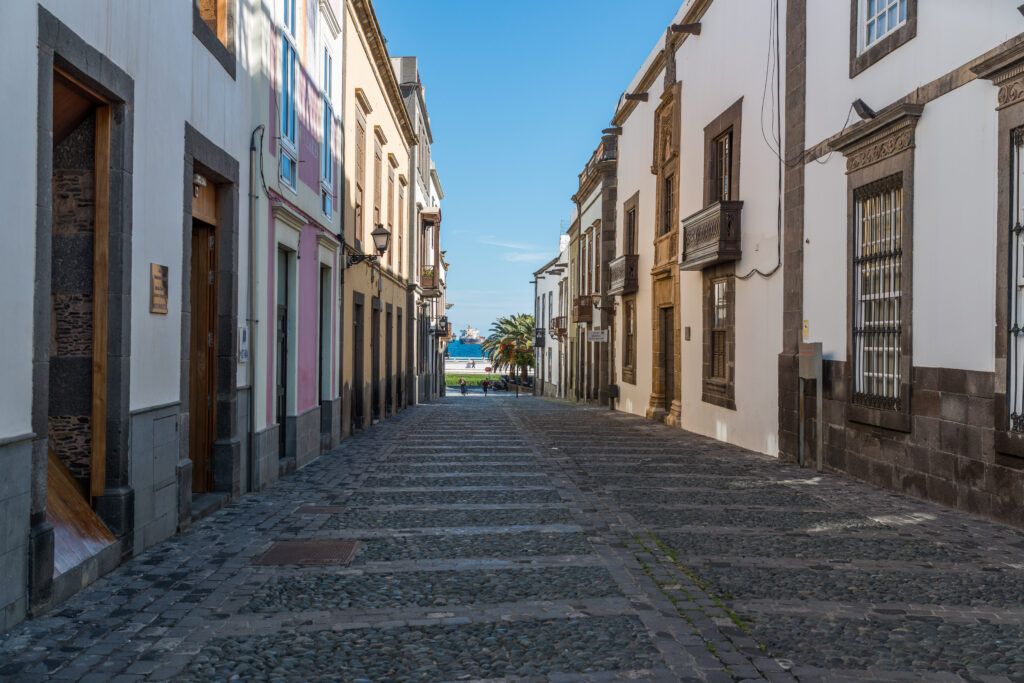
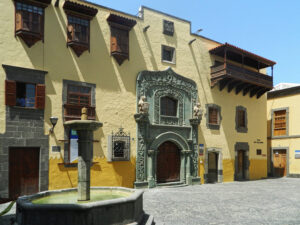
Vegueta is the founding quarter of Las Palmas de Gran Canaria, a compact grid of cobbled streets laid out beside the Barranco Guiniguada where the city first took shape. Volcanic stone façades, carved wooden balconies and shaded courtyards give the neighbourhood a settled, colonial-era character distinct from the beach districts further north.
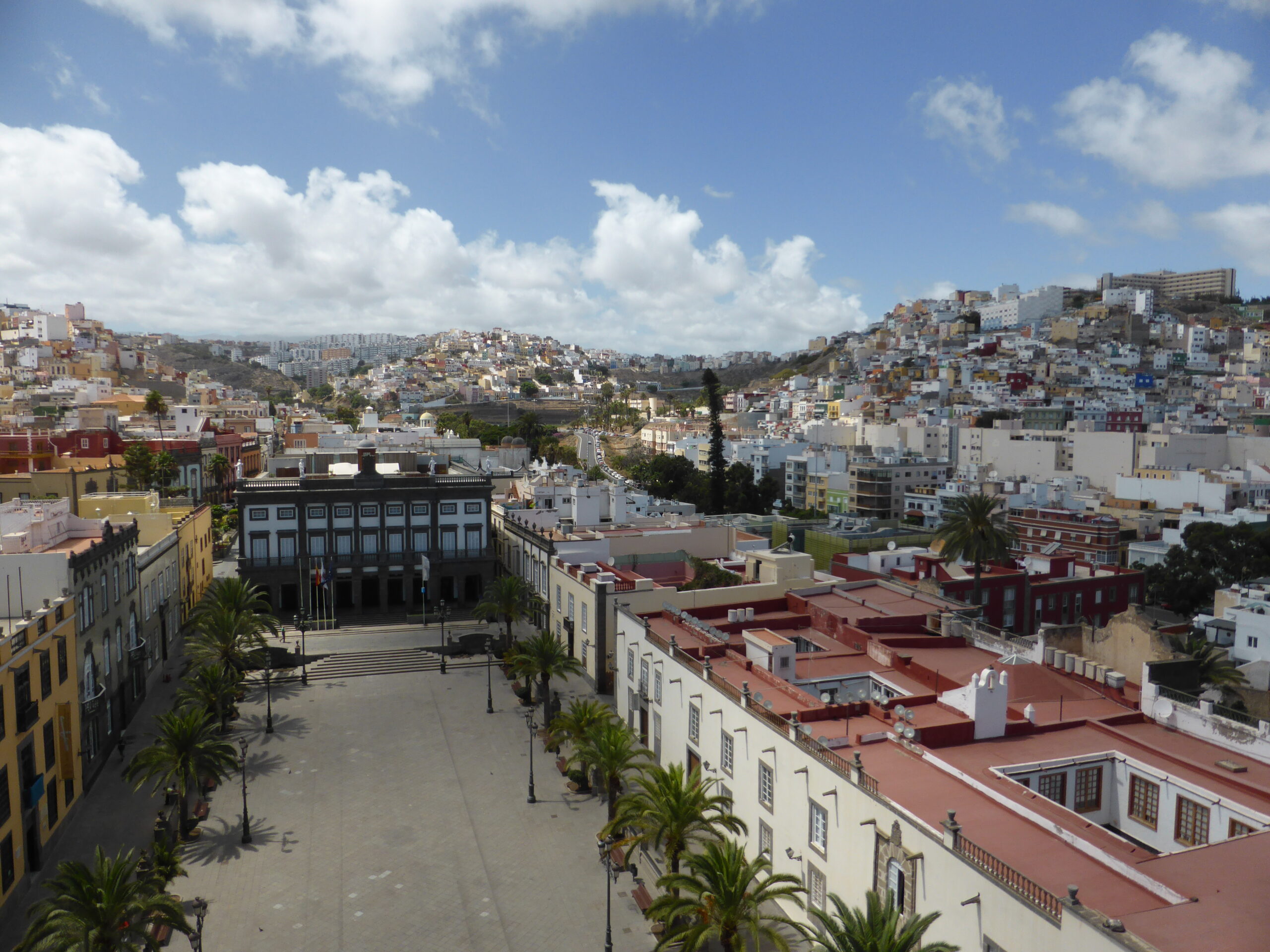
Vegueta lies inland from the modern seafront of Las Palmas, on the flat ground beside the Barranco Guiniguada — the ravine that dictated where the earliest settlement could be built. This was the administrative and religious centre of the young city, and the street pattern still follows the tight, rectilinear grid typical of that founding period rather than the broader layout of the newer districts around it.
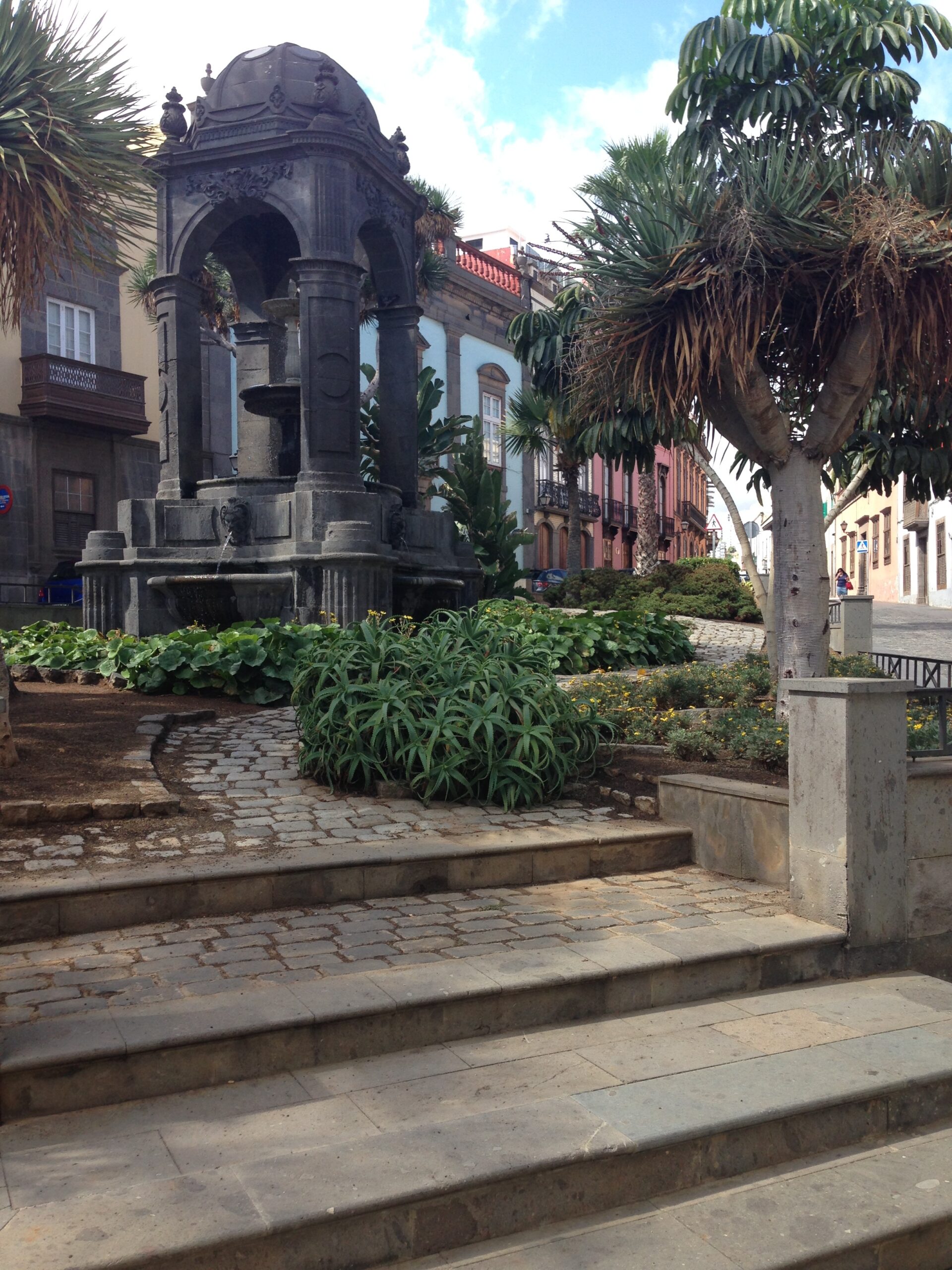
Exploring the quarter means walking narrow, largely pedestrian streets lined with two-storey houses built in dark volcanic stone. Their upper floors often project over the pavement on carved timber balconies painted in deep greens and blues — a building style found across the archipelago’s older towns but especially concentrated here. Wrought-iron window grilles, heavy wooden doors and internal courtyards planted with palms or citrus trees are common features, many opening onto small plazas shaded by laurel and ficus trees.
Vegueta’s long role as a civic and religious centre left it with a density of churches, former convents and administrative buildings that later districts never needed to replicate. This gives the neighbourhood a layered, unhurried atmosphere distinct from the commercial streets nearer the port. Cafés and small bars occupy ground-floor rooms in these old town houses, spilling tables onto the plazas in the mild, sheltered climate typical of Gran Canaria’s east coast.
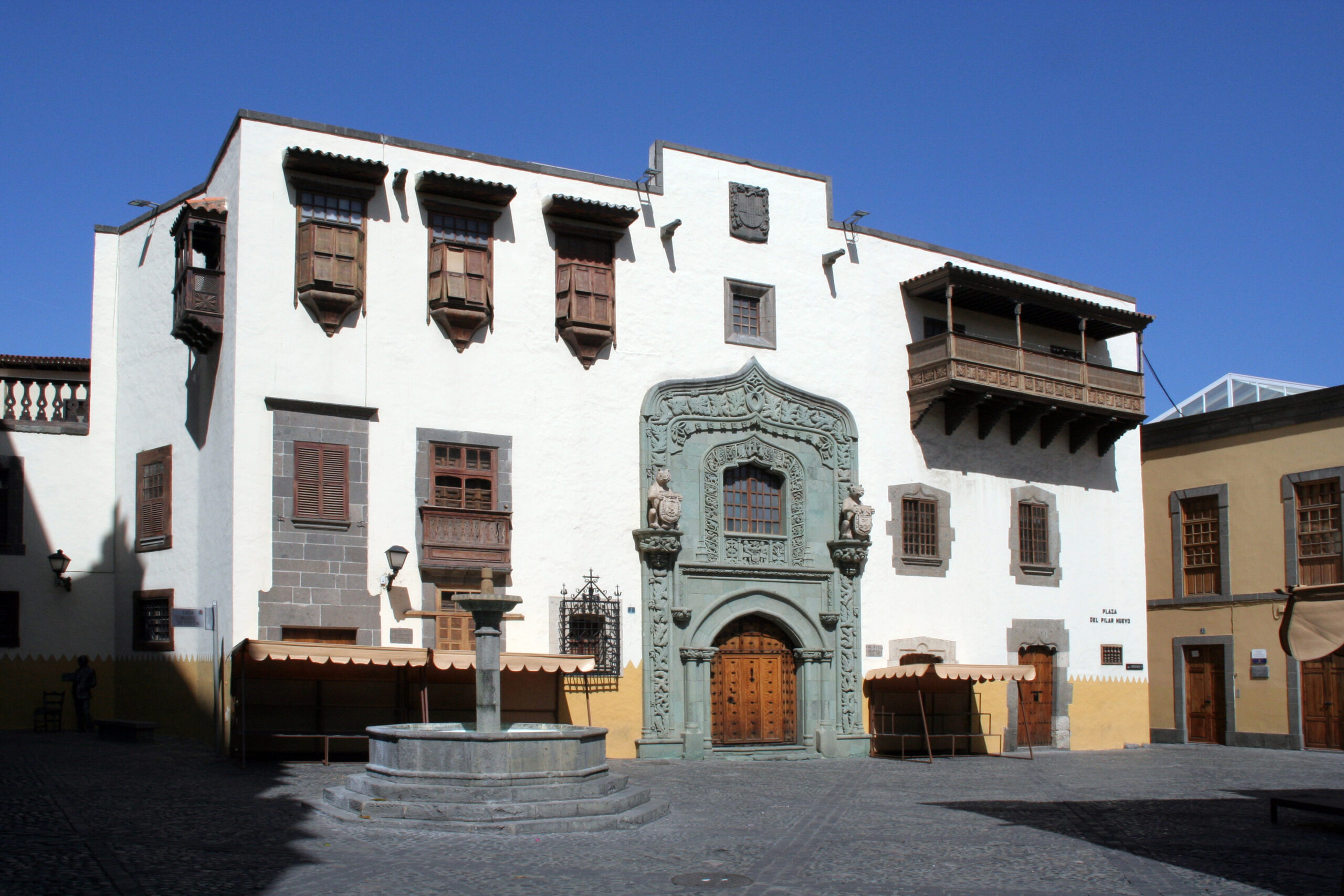
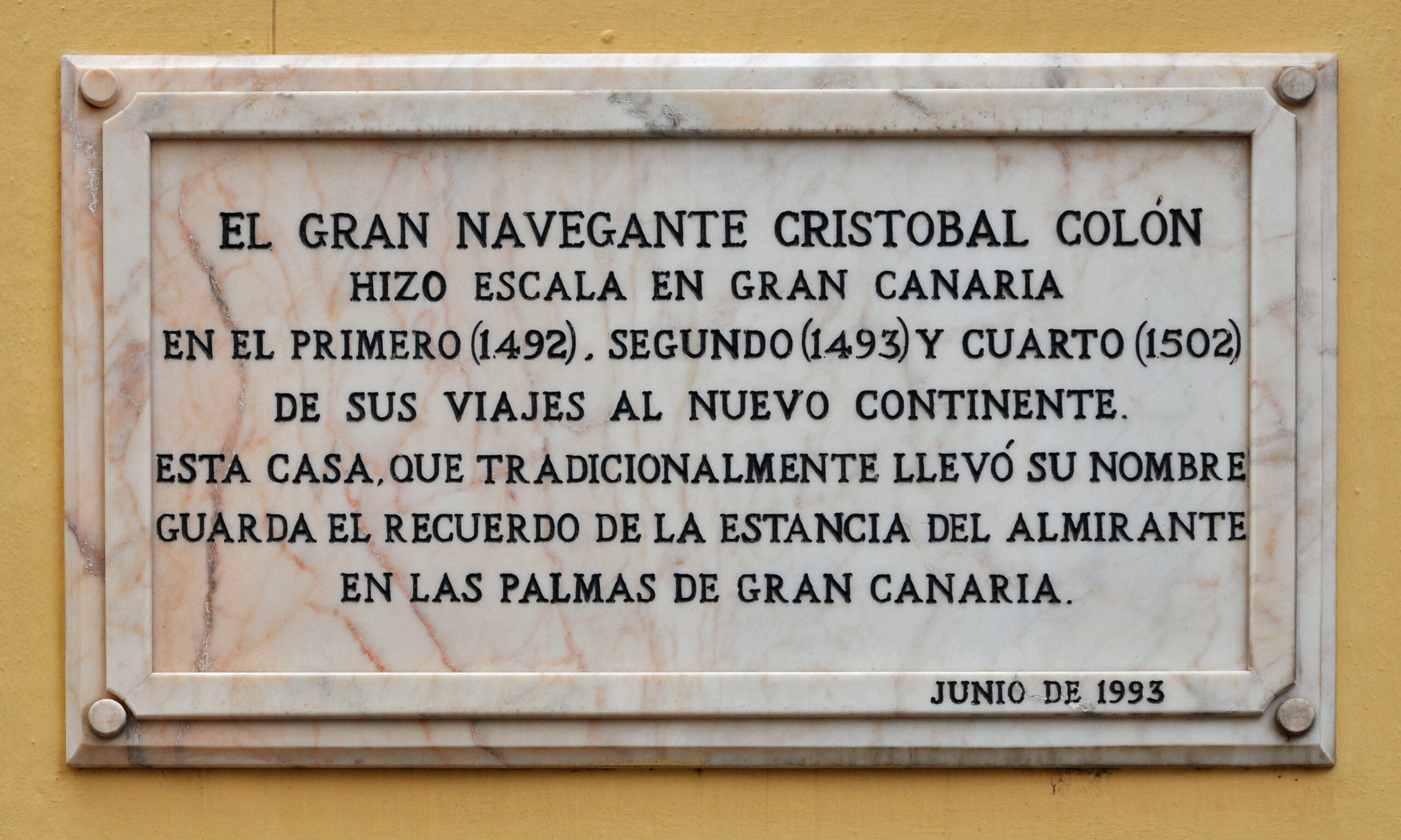
Because it developed away from the beachfront, Vegueta rewards slow exploration on foot. Its appeal lies in the accumulation of small architectural details — a carved lintel, a balcony rail, a courtyard glimpsed through an open doorway — rather than any single standout sight. The quarter’s museums, including the Casa de Colón and the Diocesan Museum of Sacred Art, add further depth to the neighbourhood’s historical character.