San Sebastian Old Town
La Gomera’s Colonial Quarter by the Sea
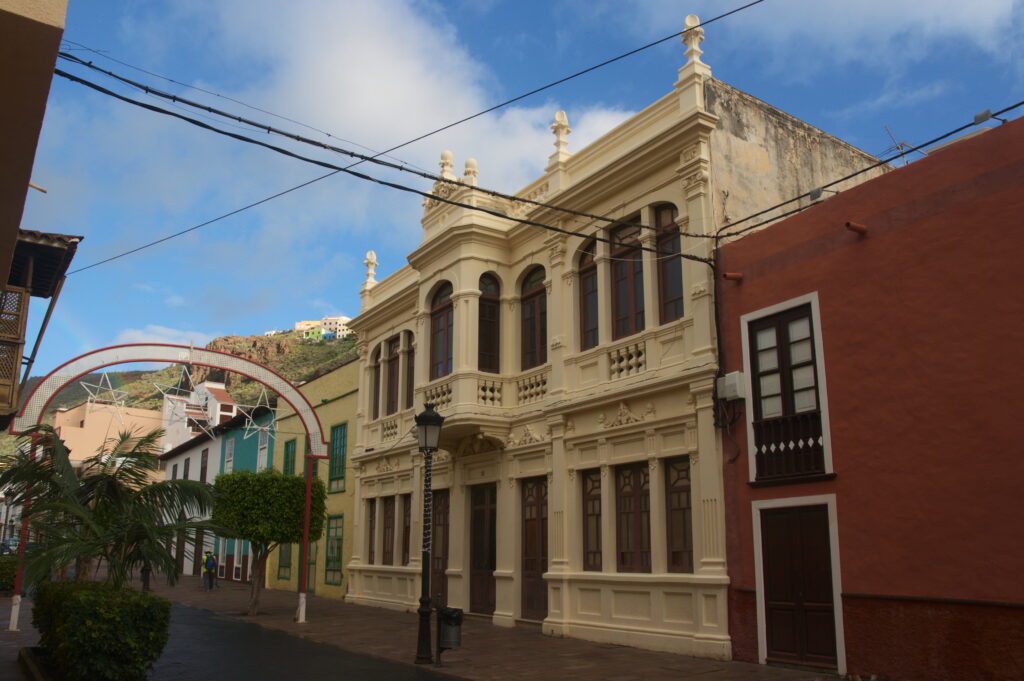
San Sebastián’s old quarter occupies the flat ground where a dry barranco meets the Atlantic, its narrow streets lined with balconied houses built from volcanic stone. Palm-shaded plazas, whitewashed facades and centuries of colonial architecture define the island’s historic capital.
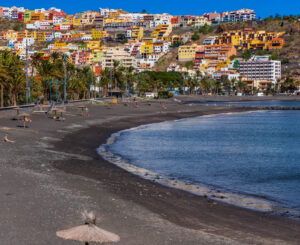
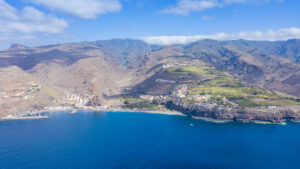
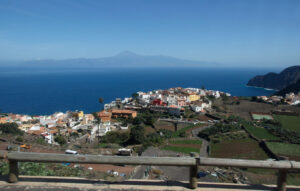
San Sebastián sits at the mouth of a wide barranco on La Gomera’s eastern coast, the one point on the island where the land opens out enough to support a proper town. The old quarter occupies this flat ground between the ravine walls and the sea, its street plan tight and largely pedestrian, shaped by centuries of building in stone quarried from the surrounding volcanic hills.
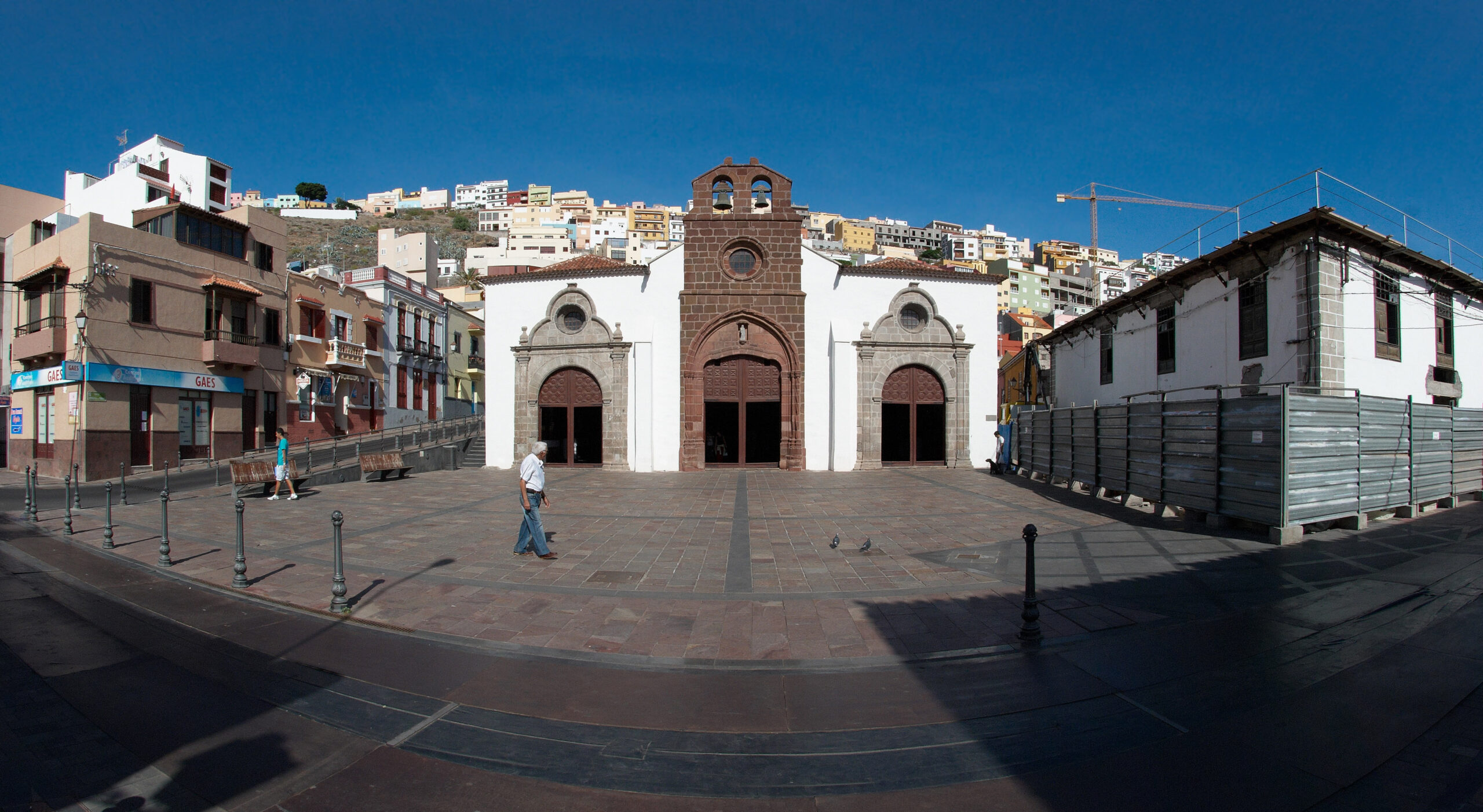
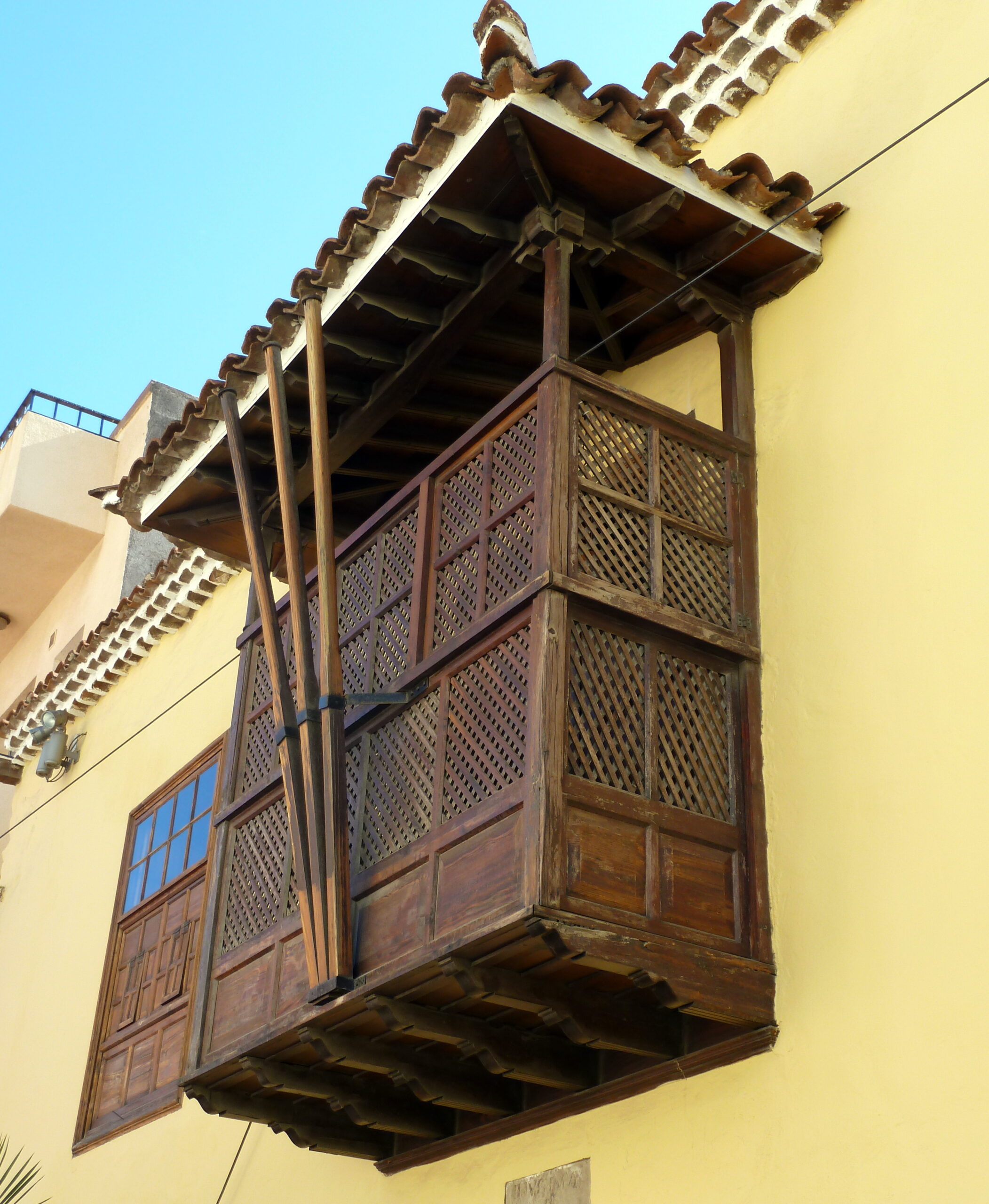
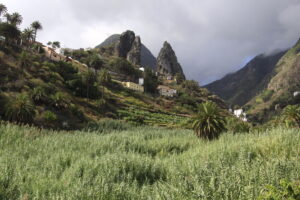
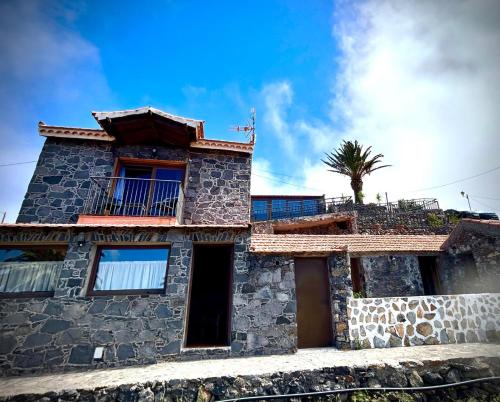
Houses follow the traditional Canarian pattern: thick masonry walls painted white or ochre, timber balconies projecting over the pavement, and deep-set windows designed to keep out the strong southern sun. Small plazas break up the grid, shaded by tall palms and the occasional dragon tree — plants that thrive in this lower, drier belt of the island in contrast to the laurel forest higher up La Gomera’s central massif.
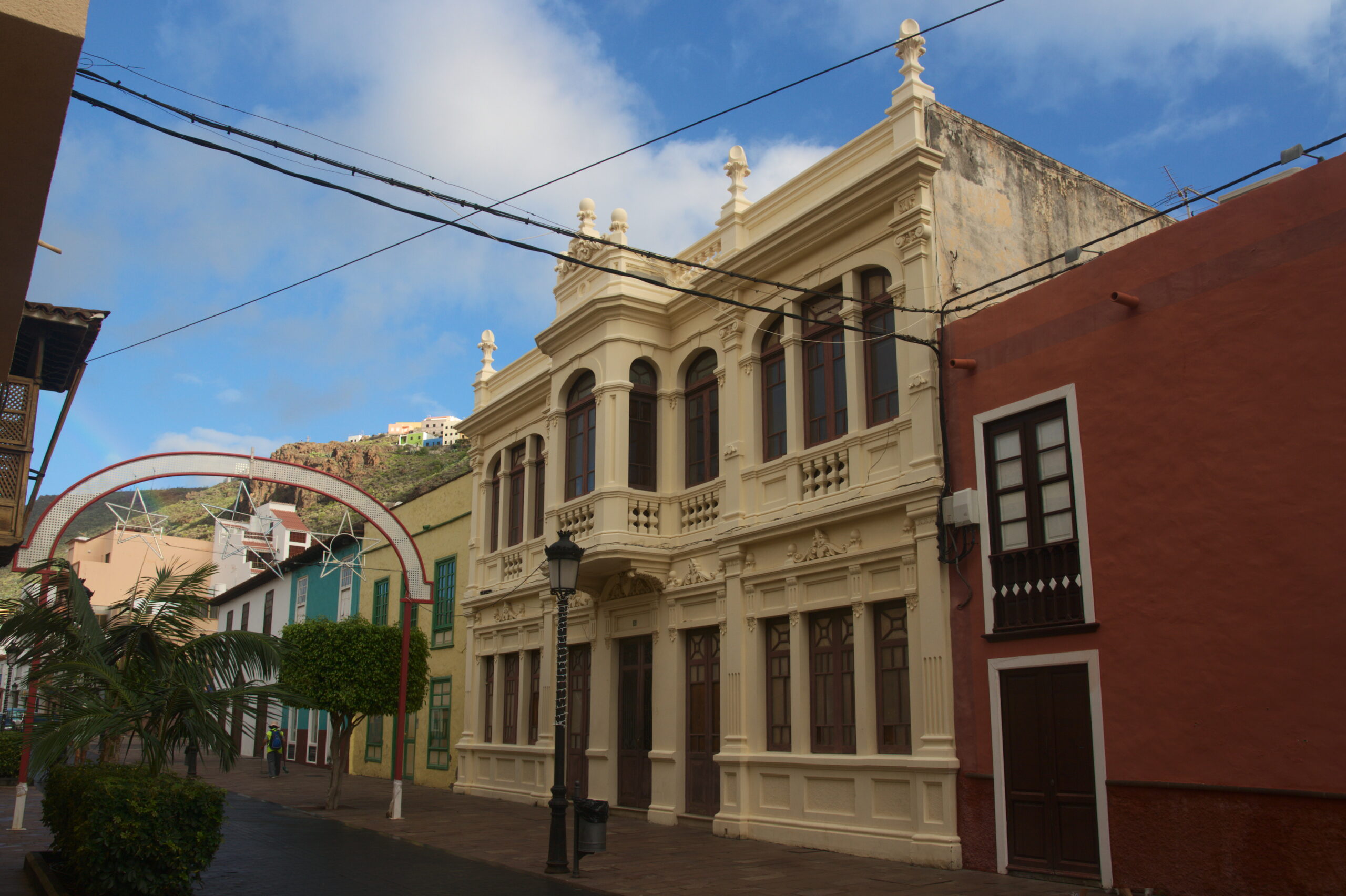
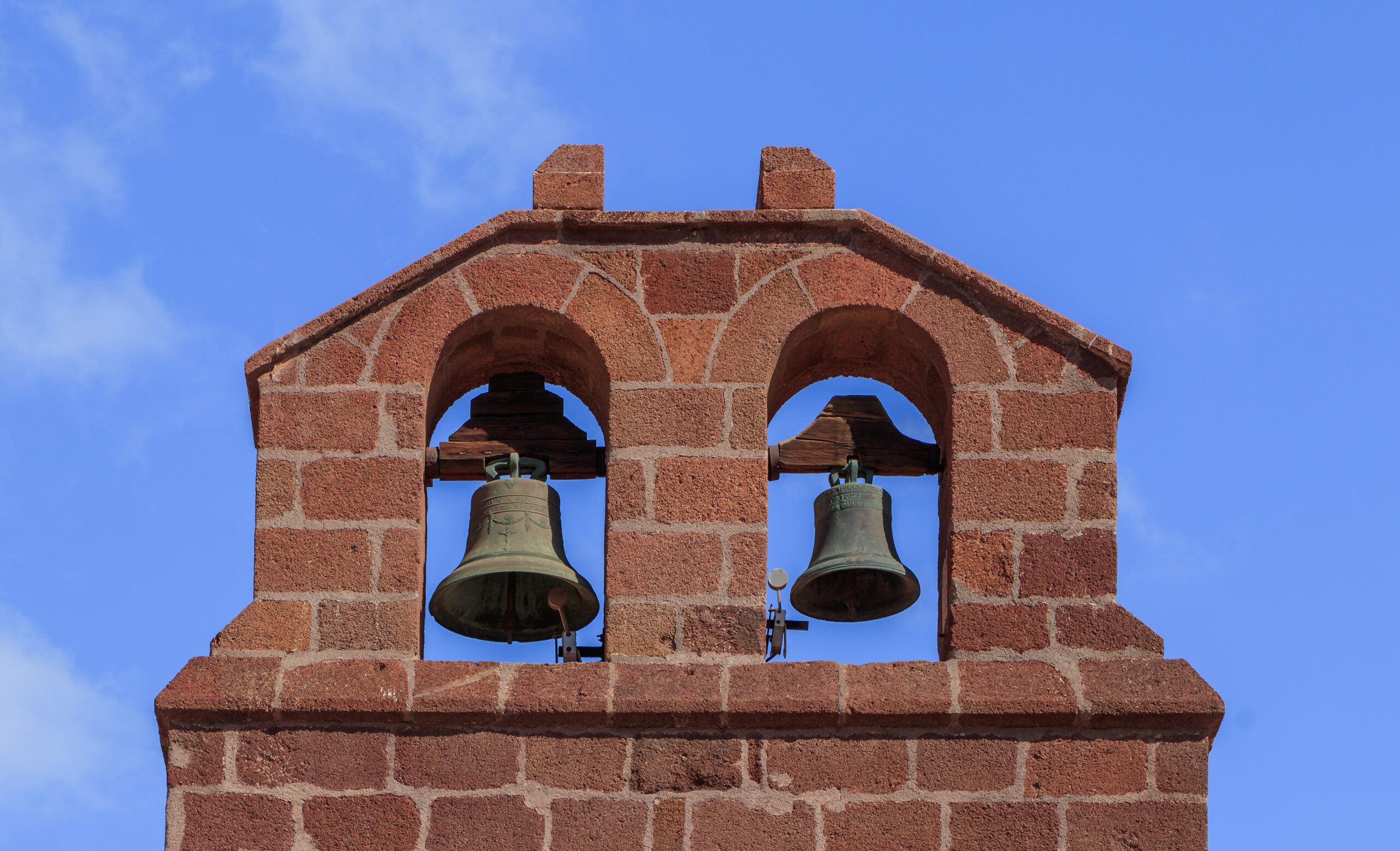
As the administrative and commercial centre of La Gomera, San Sebastián carries a more formal, urban character than the island’s scattered hamlets. Shopfronts, churches and civic buildings cluster within the compact grid, and the layering of periods in its facades rewards a slower pace than the town’s modest size might suggest.
The barranco itself, usually dry or carrying only a trickle of water, still shapes the town’s geography, running down from the interior to meet the black volcanic shoreline. From the old streets it is a short walk to where the built-up quarter gives way to the coast, with the arid hills of the south rising behind and the Atlantic stretching out ahead, often hazy with Saharan dust during calima conditions.