
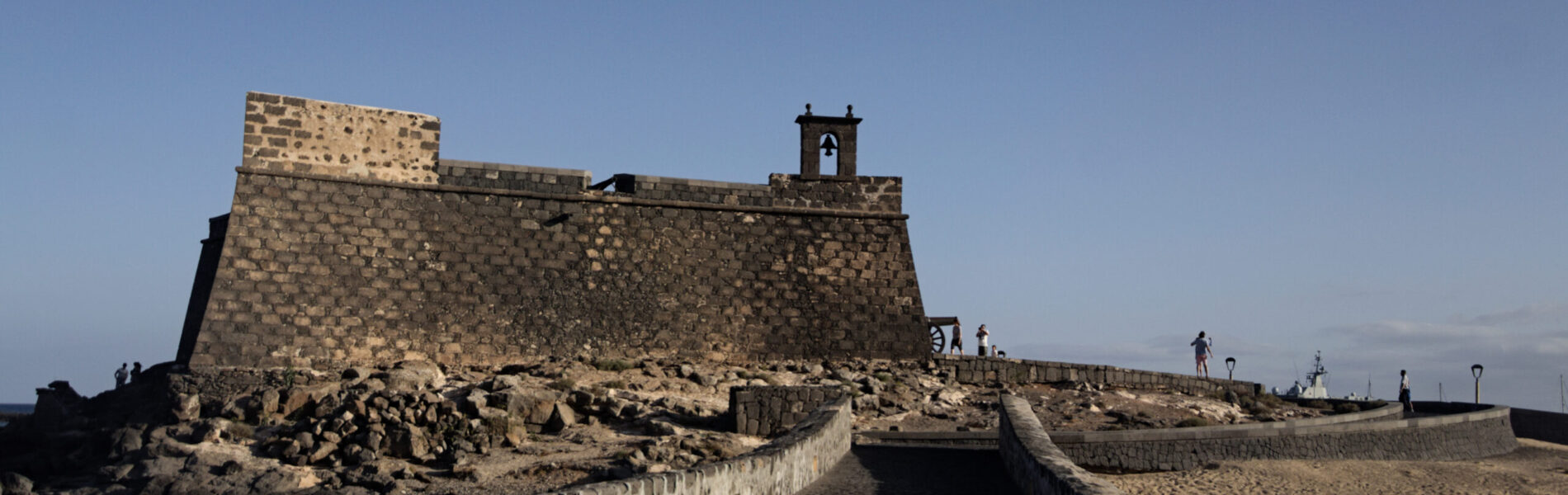
A small volcanic‑stone fort on an offshore islet in Arrecife’s harbour, built as part of Lanzarote’s coastal defences against seaborne raids. Linked to the town by a short bridge, it remains a quiet landmark where the working port meets the old waterfront.
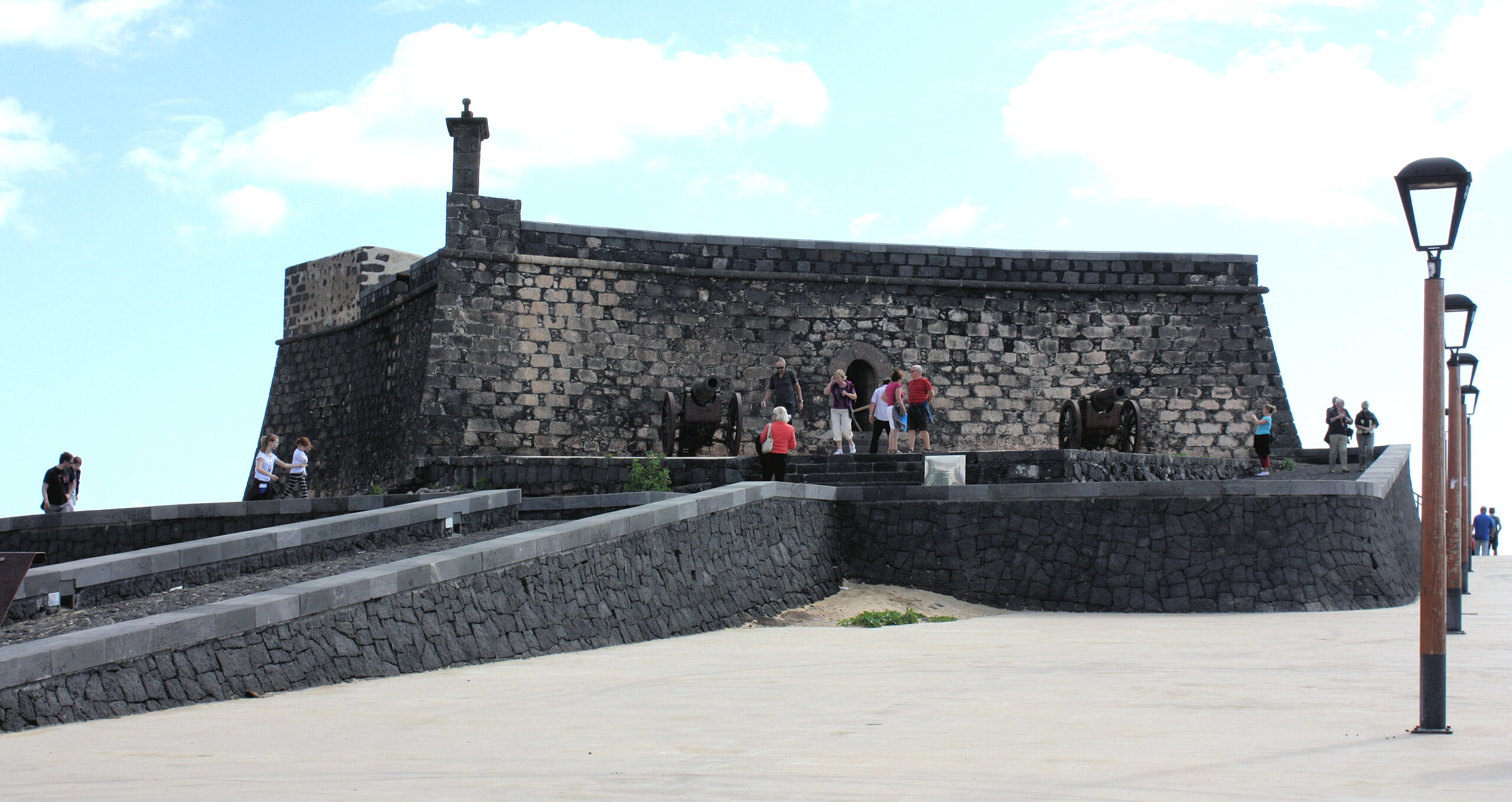
Castillo de San Gabriel stands on a low outcrop of volcanic rock just offshore from central Arrecife, separated from the mainland by a narrow channel and linked by a short bridge. The setting is characteristic of the capital: black stone, shallow turquoise water and low, sun‑bleached buildings pressed close to the shore.
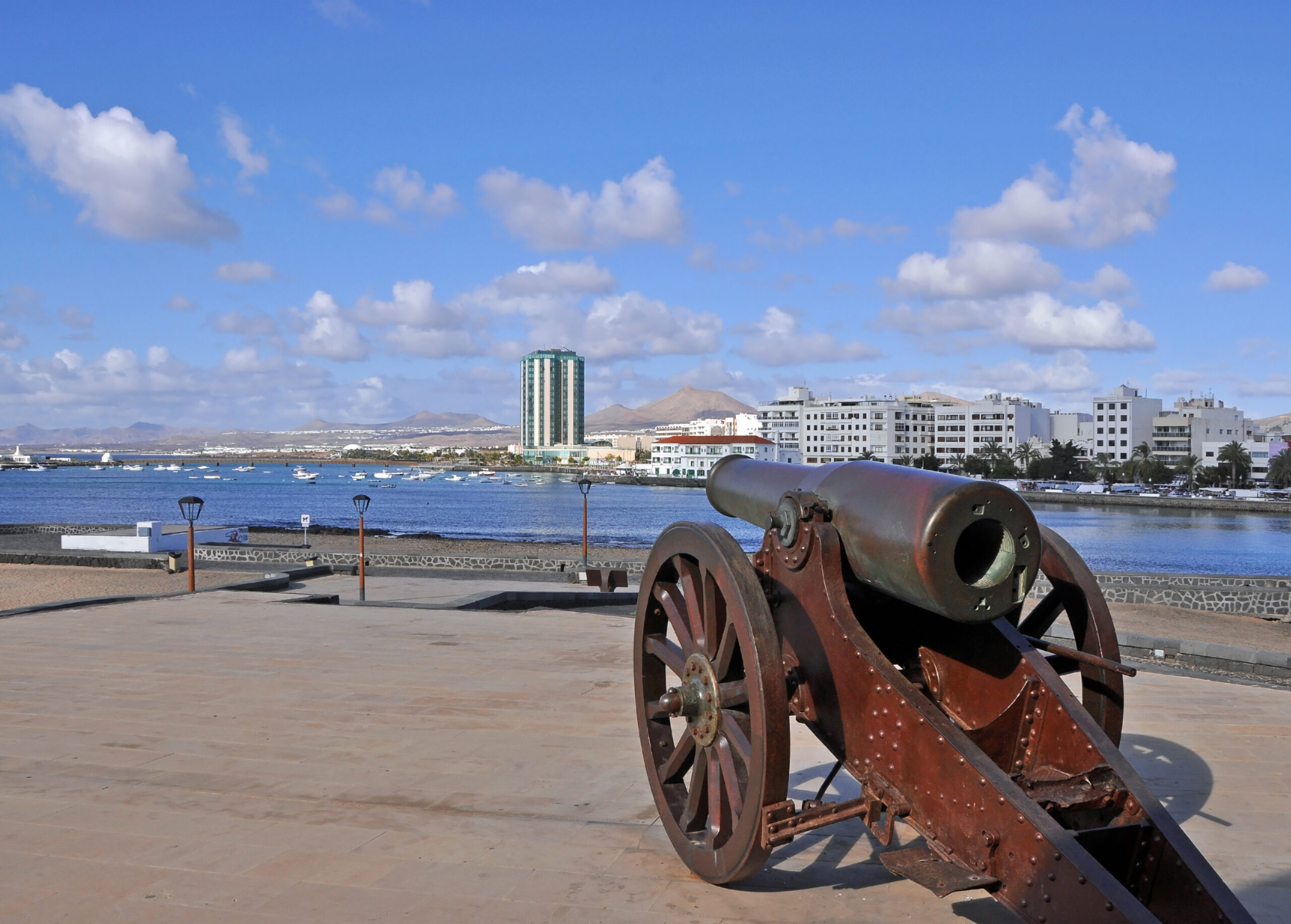
Its position was strategic. Arrecife grew as a fishing anchorage and port on a coastline with almost no natural shelter, exposed for centuries to corsairs and privateers working the Atlantic approaches to the archipelago. A garrison point on this islet, commanding the entrance to the harbour, allowed watch to be kept over the channel and any vessel approaching the town.
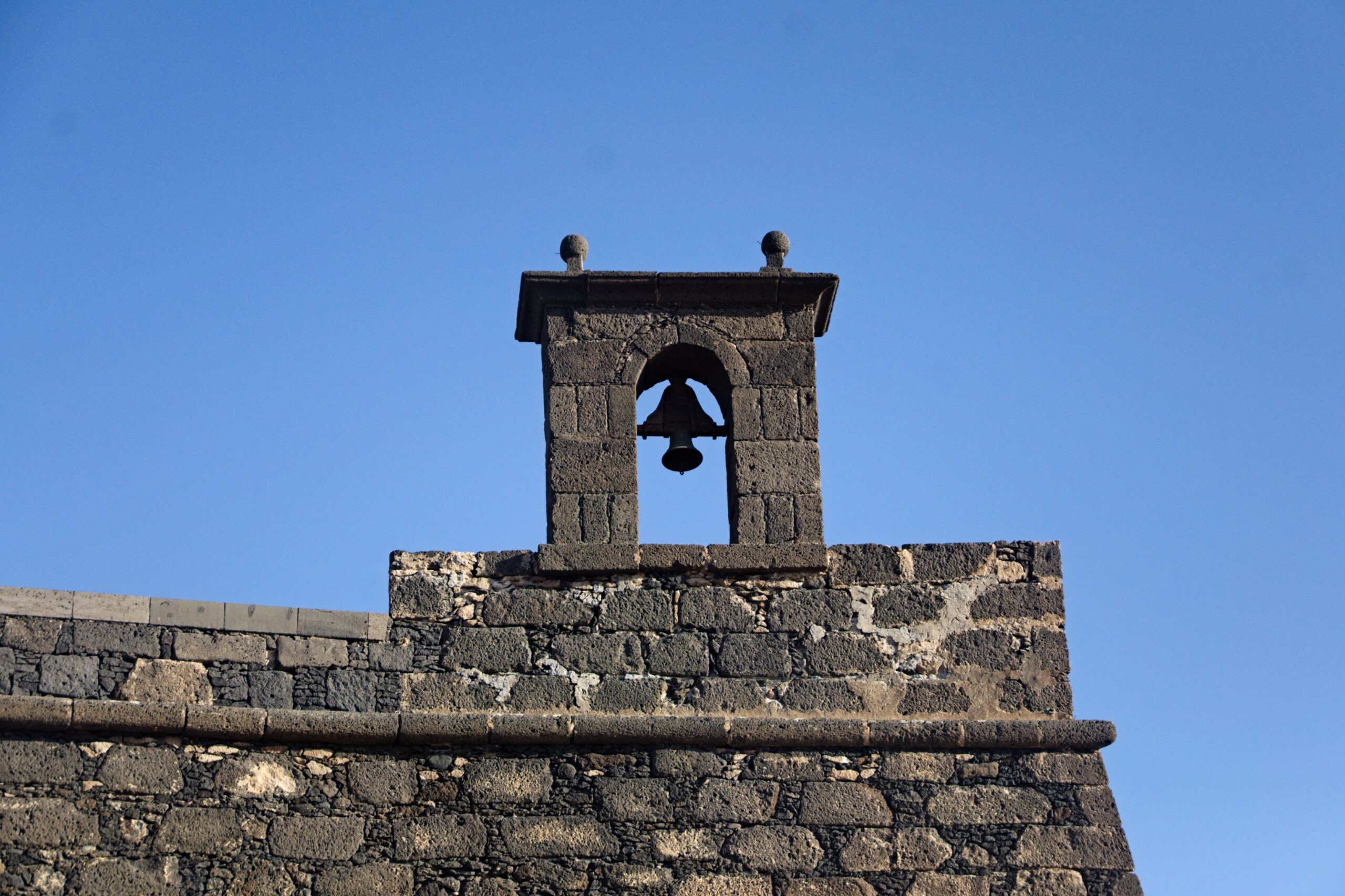
Today the fort sits at the edge of Arrecife’s old quarter, within easy reach of the harbourfront and the streets around Charco de San Ginés. Its thick walls and modest scale reflect a practical defensive architecture — built for function on an exposed volcanic shoreline rather than for display.
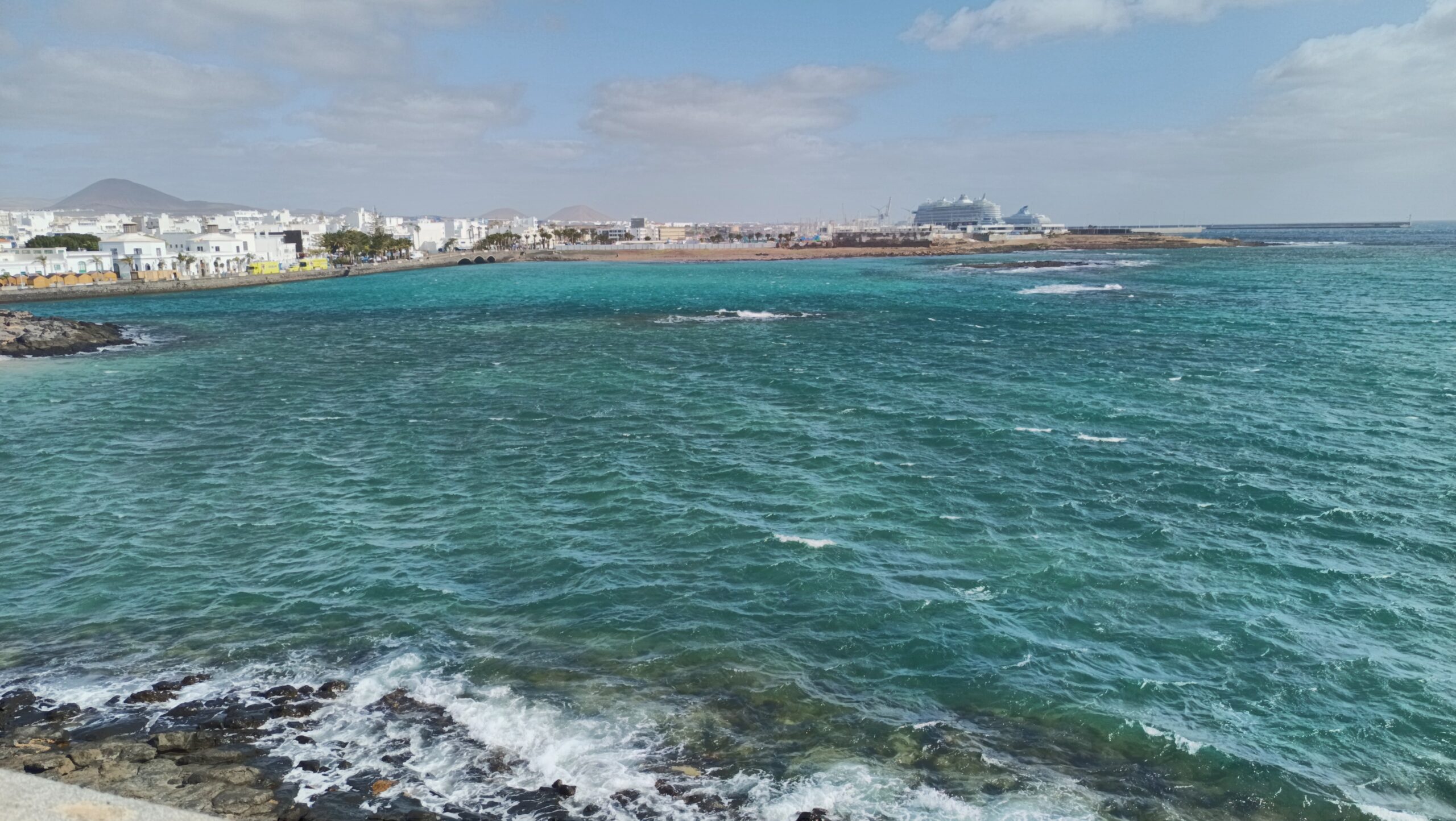
The islet setting gives it a particular atmosphere: water moving through the channel below, gulls on the black rock and views back across the harbour to the town. It serves as both a vantage point over Arrecife’s maritime life and a reminder of the island’s long history of coastal defence.
🏛 Similar places


🏨 Hotels nearby
No hotels found.