El Cotillo Beach
Volcanic Shores on Fuerteventura's Wild Northwest
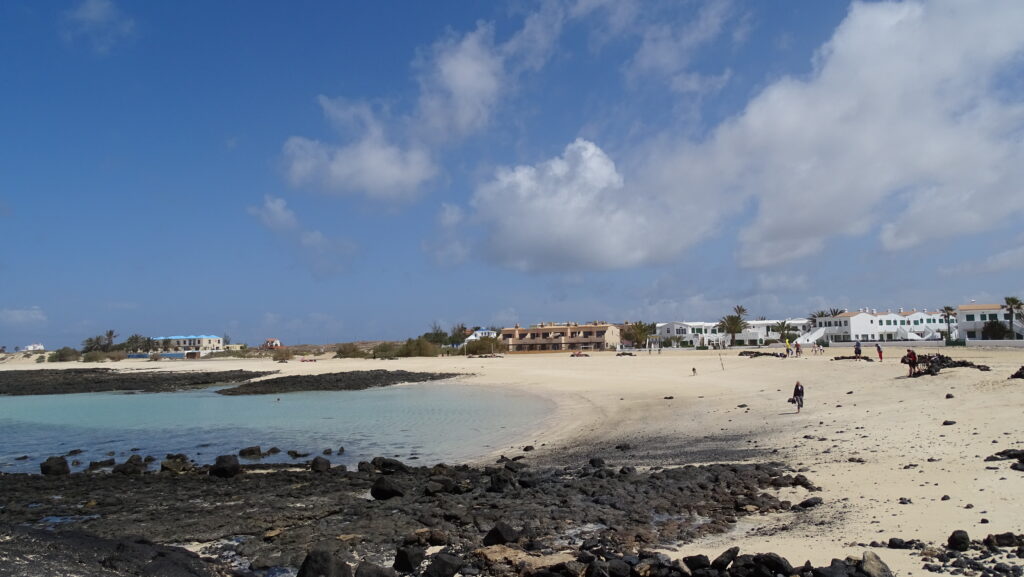
El Cotillo Beach sits on Fuerteventura's rugged northwest coast, where dark volcanic rock meets open Atlantic swell. A former fishing village turned laid-back surf town, El Cotillo offers a starkly beautiful stretch of shoreline shaped by wind, lava and the sea.
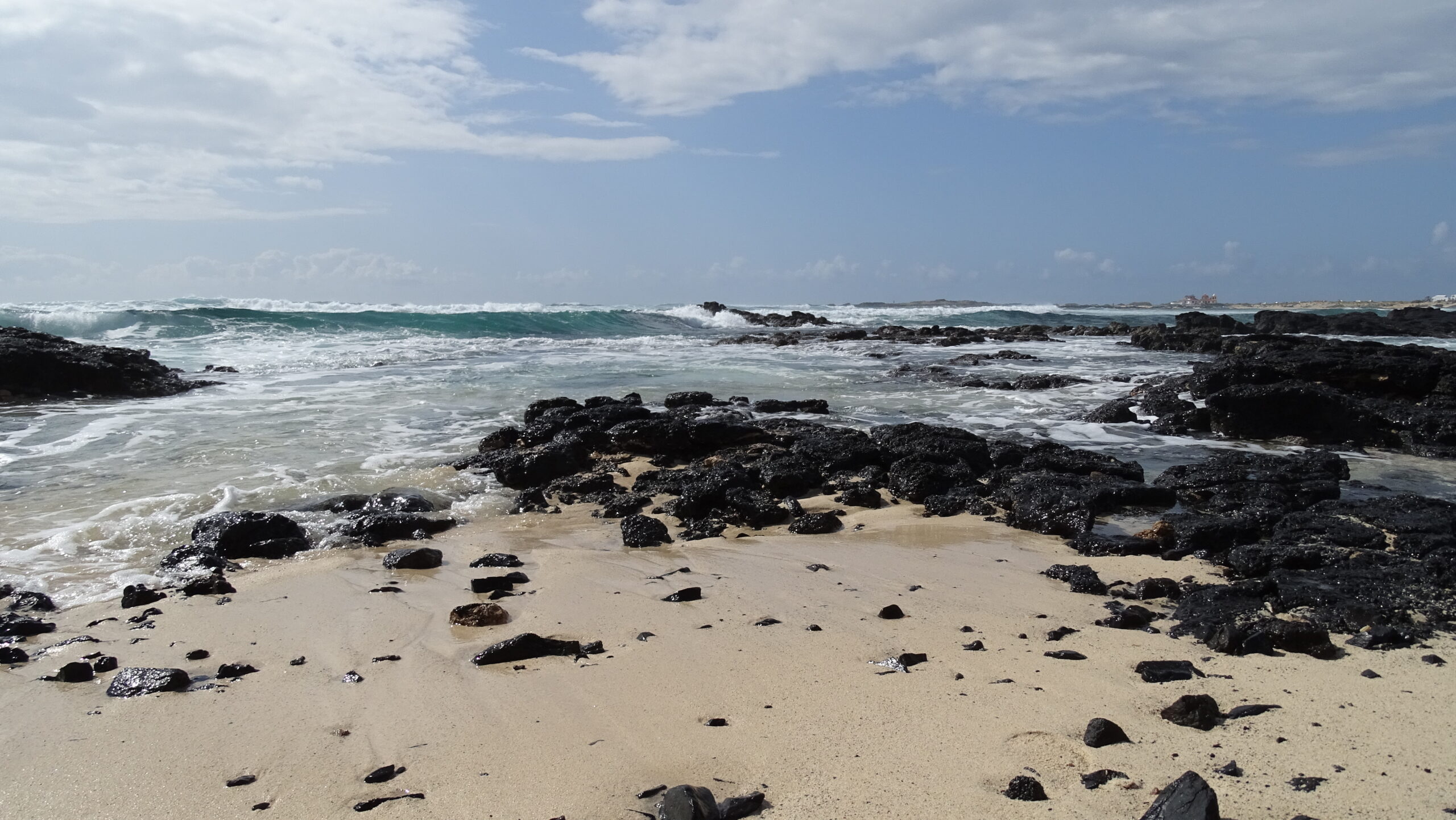
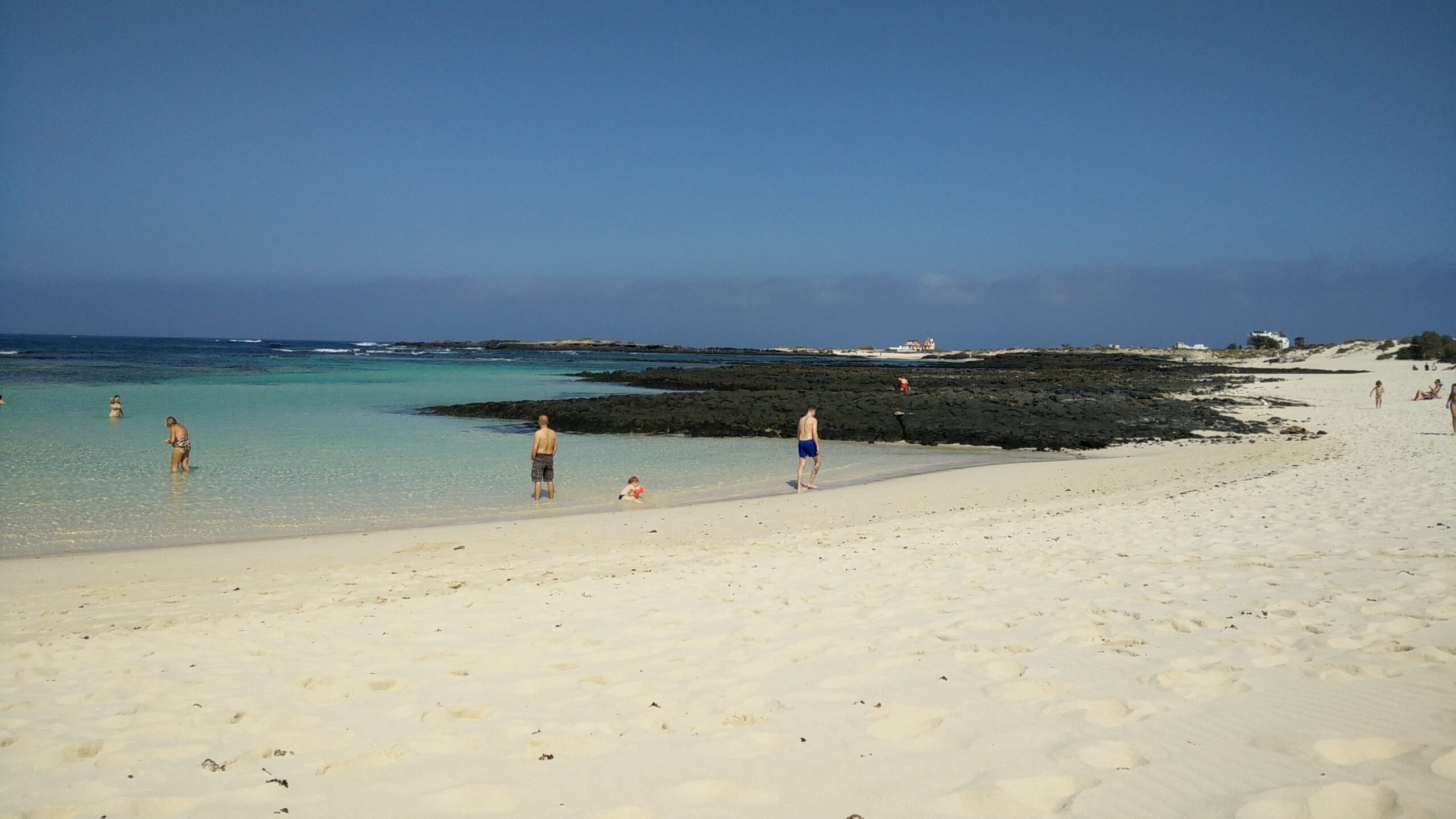
El Cotillo lies on the northwestern edge of Fuerteventura, a coastline built from old volcanic flows that meet the Atlantic head-on. This is the windward side of the island, where the trade winds blow steadily for much of the year and the sea arrives with real force, having crossed open ocean with nothing to slow it down.
The village itself grew up around fishing, and that heritage still shapes its low-rise, unhurried character. Streets run down towards small harbours where boats once worked the coastal waters, and the settlement pattern remains modest compared to the resort development found further south on the island.
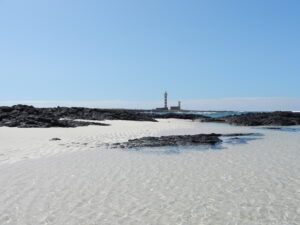
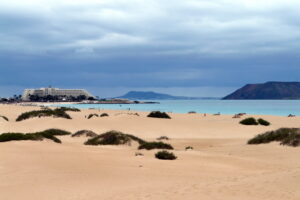
Along this stretch of coast, the volcanic terrain creates a landscape of dark rock outcrops and pockets of pale sand, with the swell breaking hard against exposed points and easing in more sheltered corners. It is a coastline shaped as much by geology as by tide, with the Atlantic’s energy a constant presence in the sound and spray of the waves.
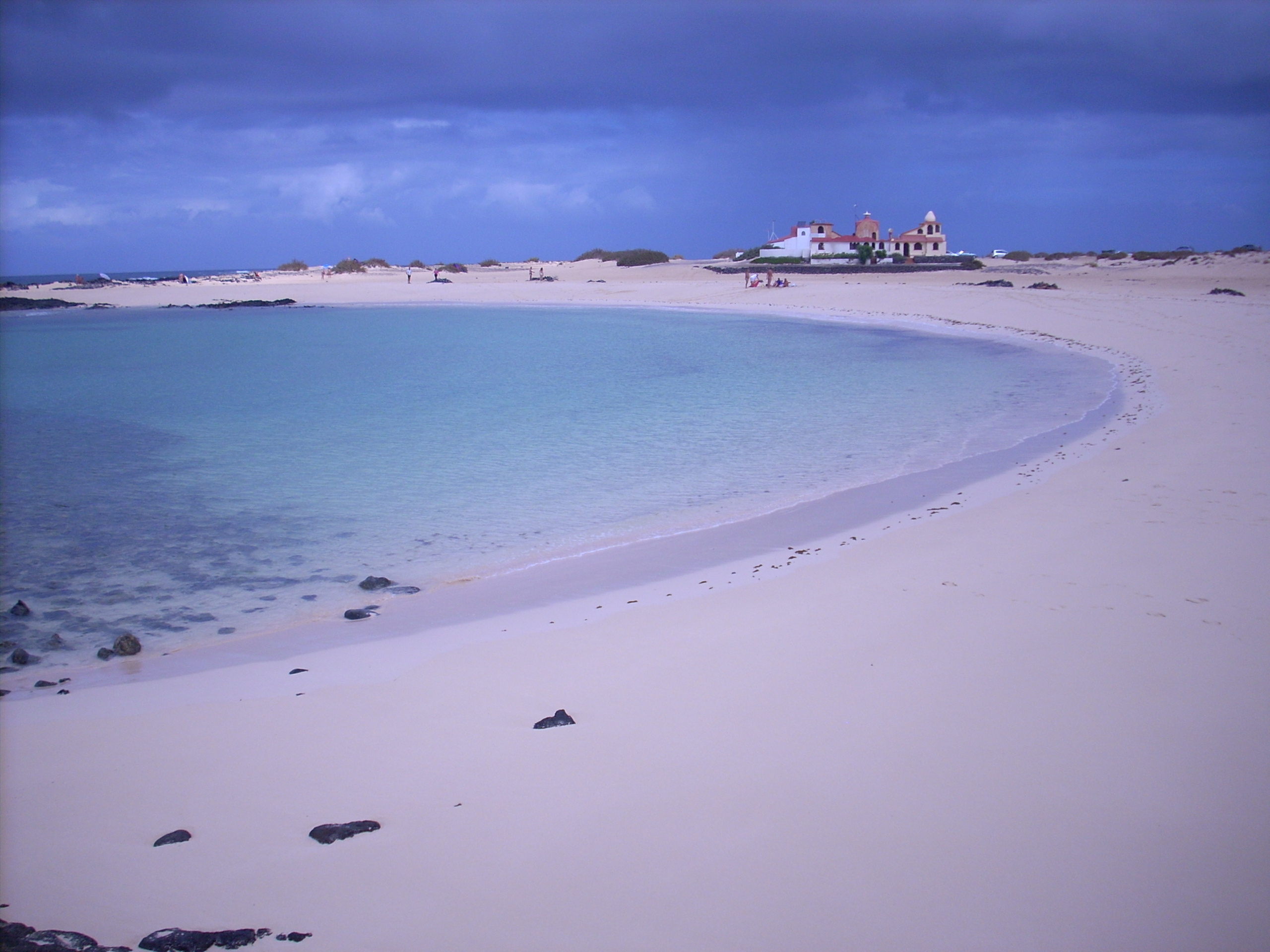
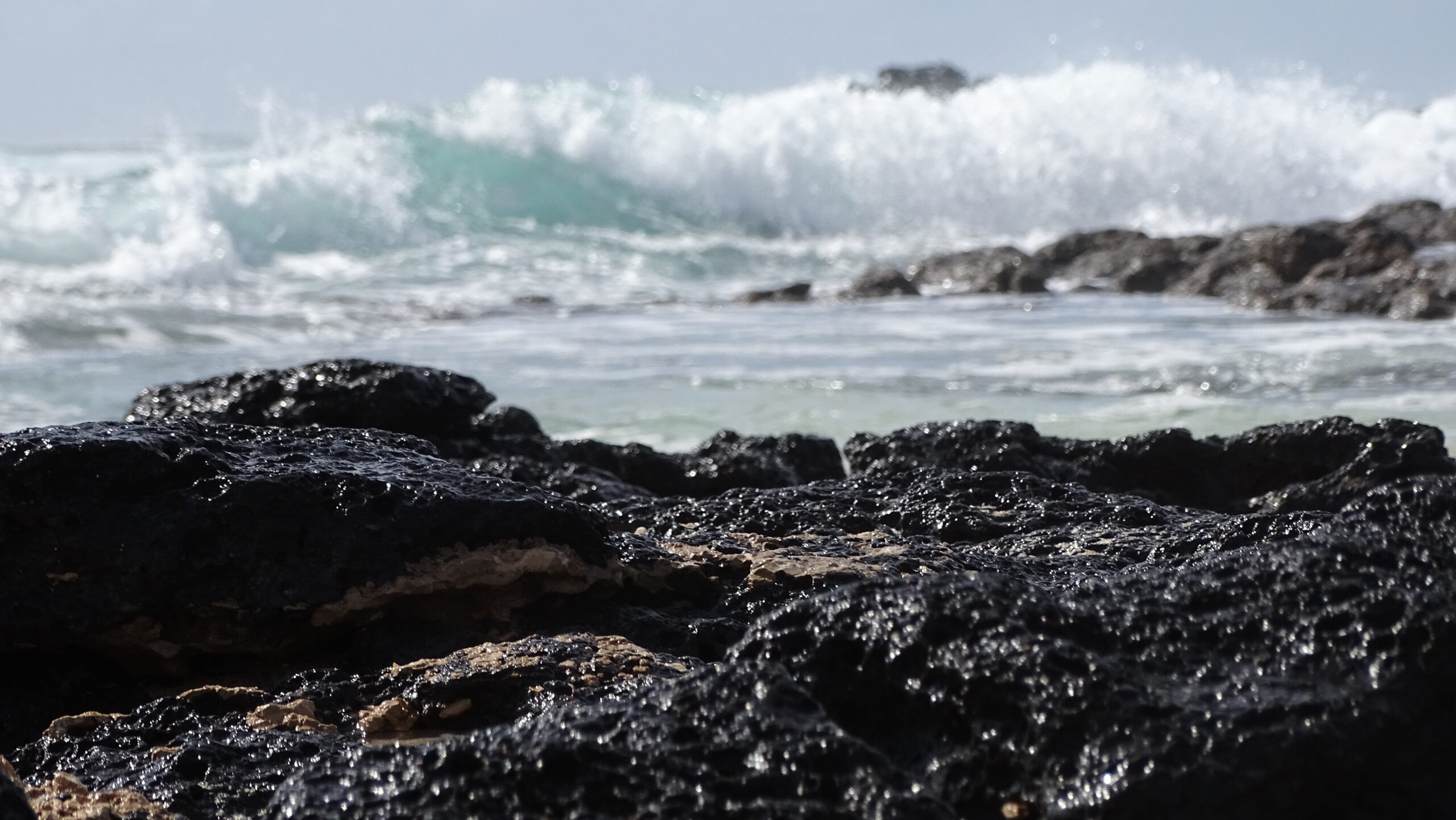
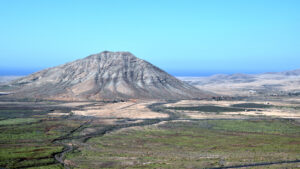
Fuerteventura’s near-desert climate means skies here are usually clear and rainfall low, with the wind doing most of the weather’s work. Vegetation is sparse and low, typical of this arid volcanic island, leaving the coastline feeling open and exposed, with long views along the shore and out to the horizon.