Mirador del Río
Lanzarote's Window on La Graciosa

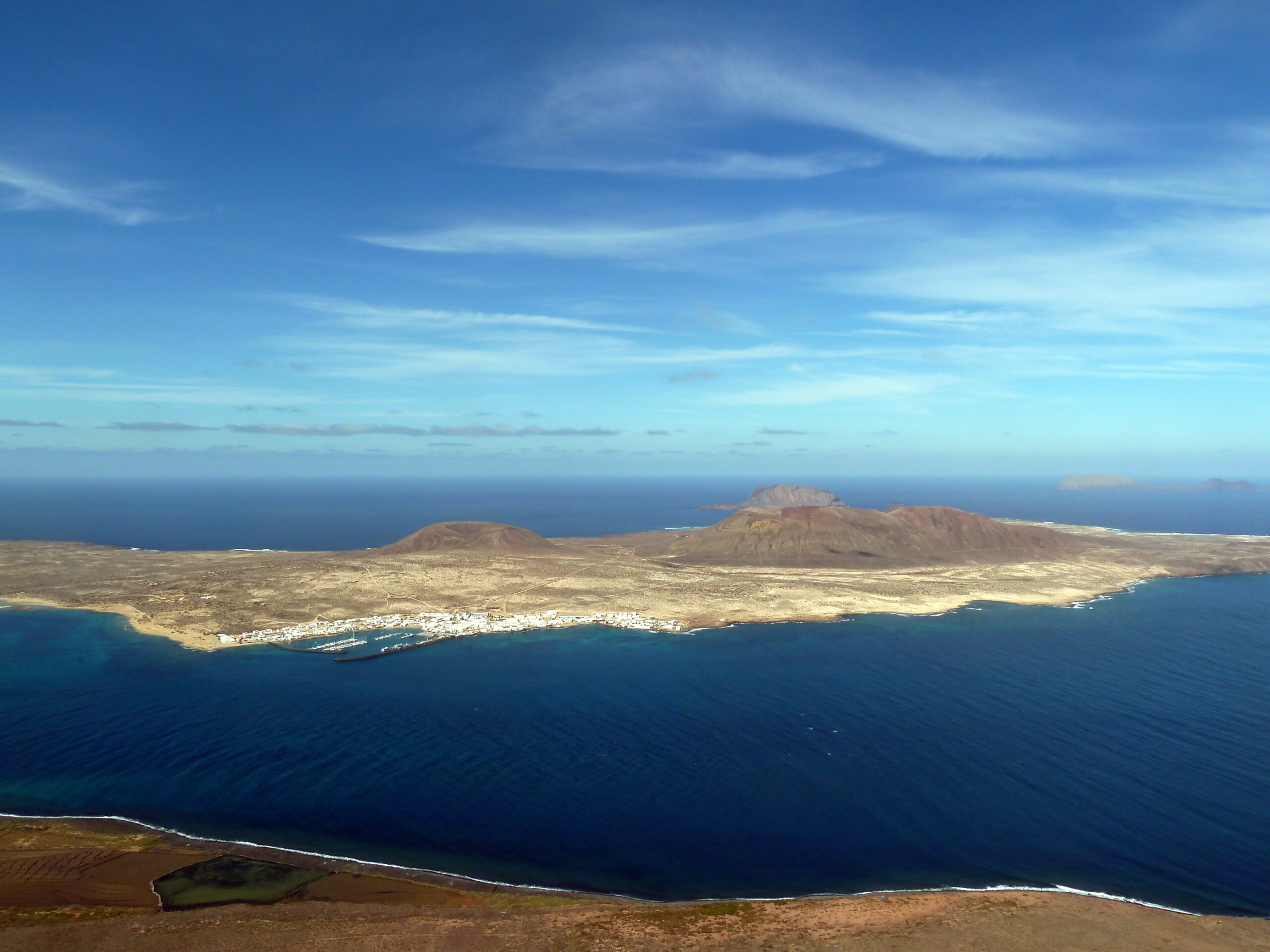
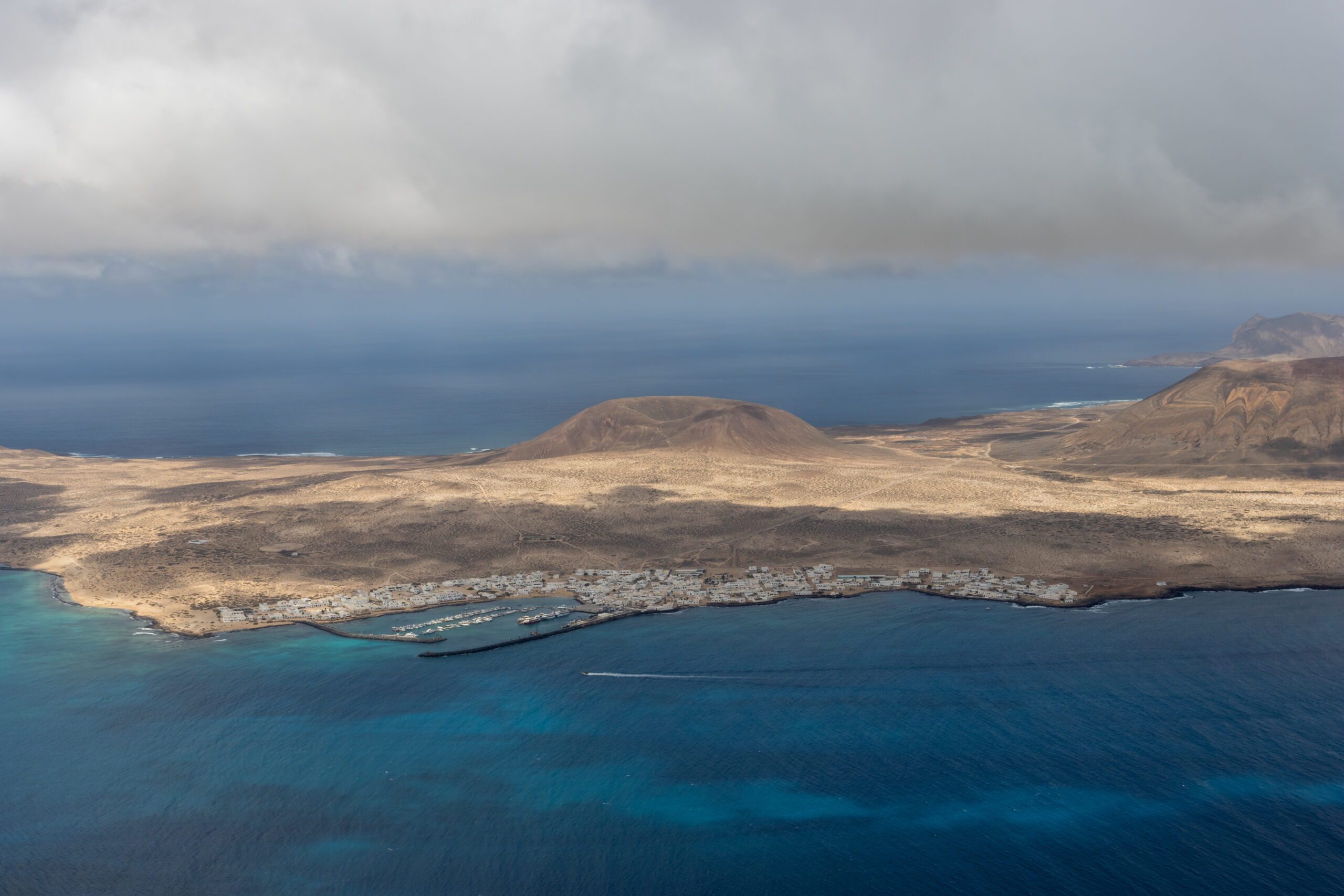
Set into the cliffs at the northern tip of Lanzarote, above Haría, this viewpoint looks down on the strait of El Río and the low volcanic outline of La Graciosa. Built into the rock face itself, it turns the drop below into part of the design, with the Chinijo archipelago spread out beyond.
The road north from Haría climbs through the Famara massif, past terraced valleys and old windmills, until the land ends at a sheer basalt escarpment. Mirador del Río sits at that edge, where Lanzarote simply stops and the Atlantic takes over. Below, the narrow channel known as El Río separates the main island from La Graciosa, its waters shifting between deep blue and turquoise depending on light and tide.
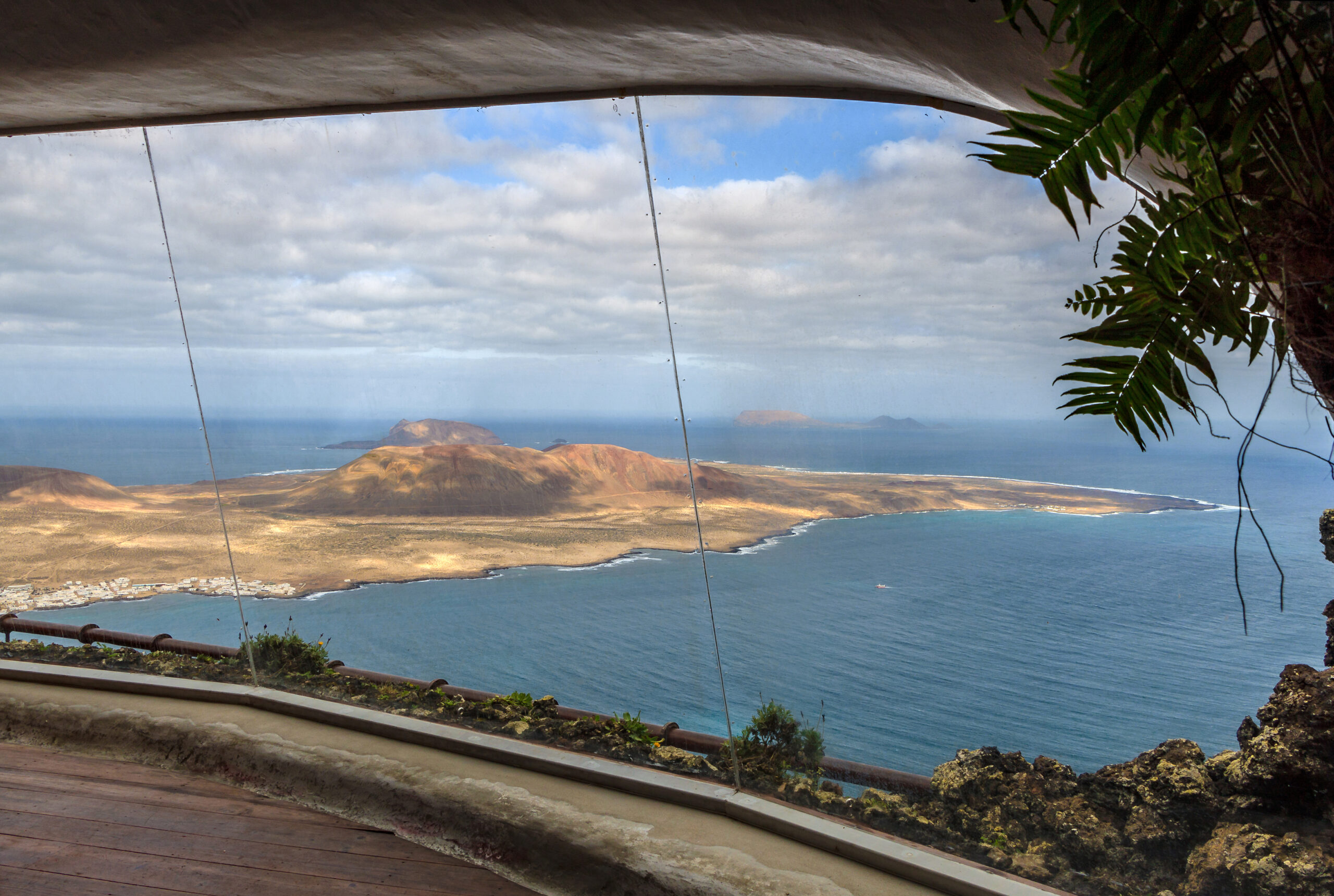
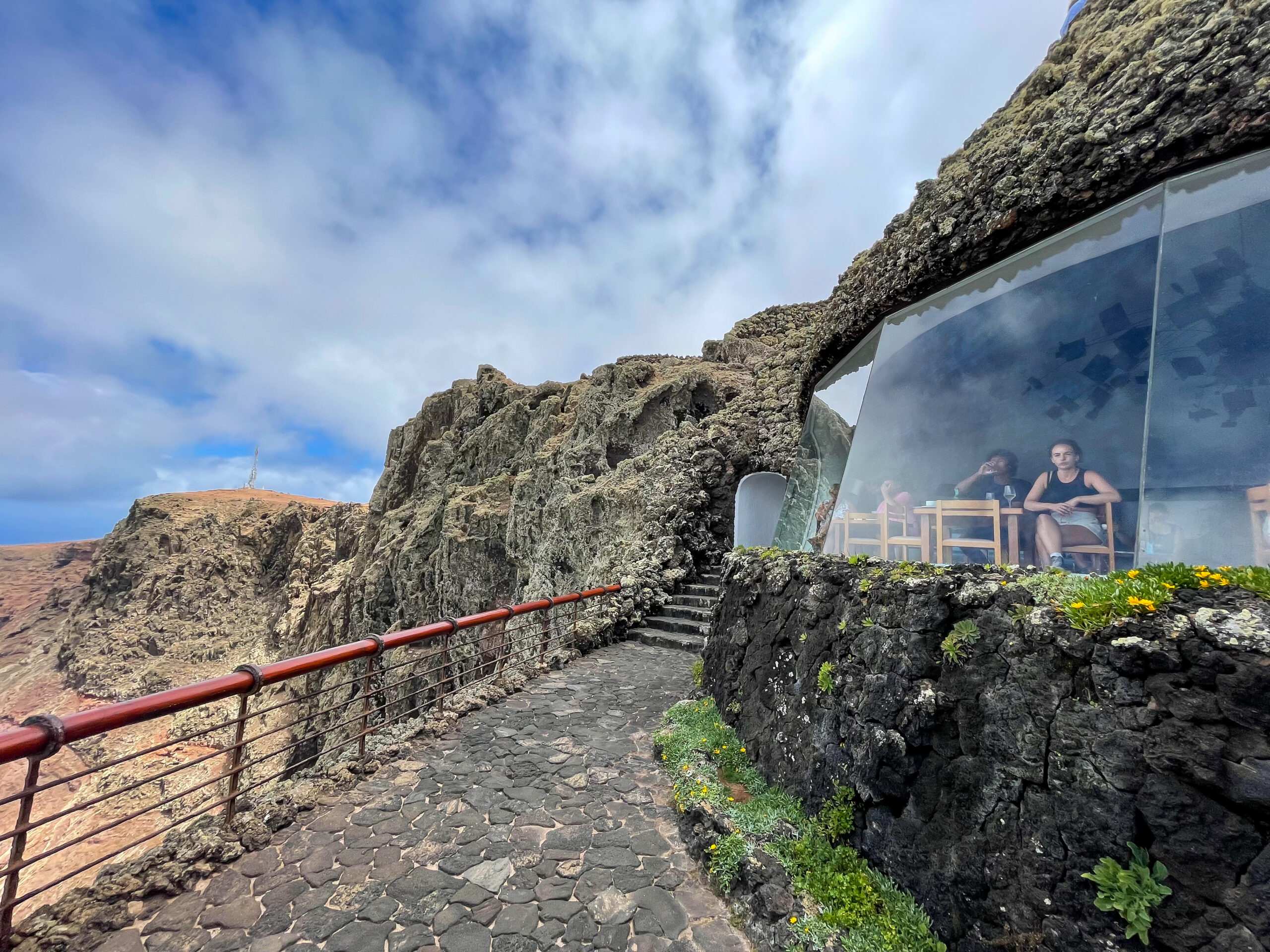
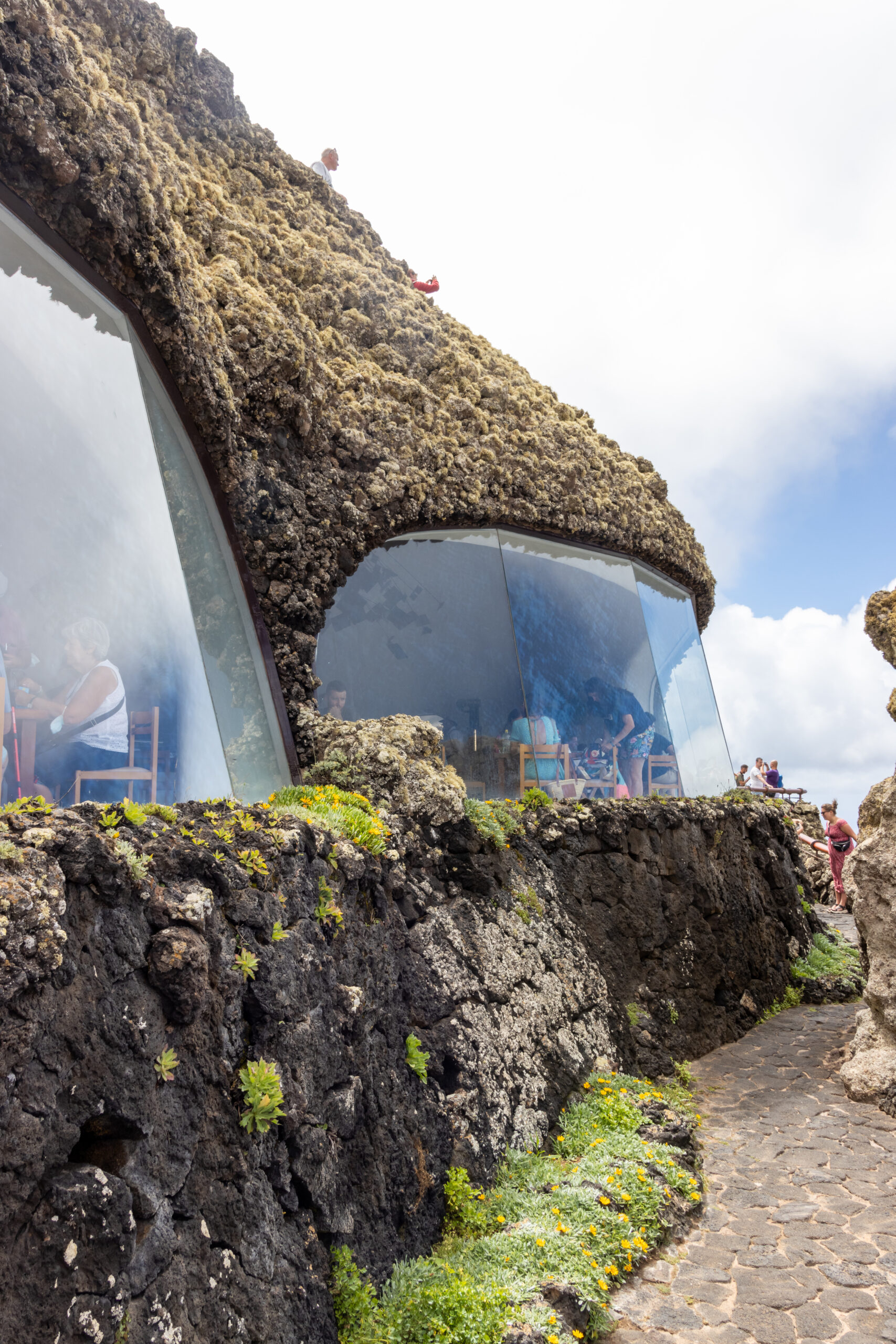
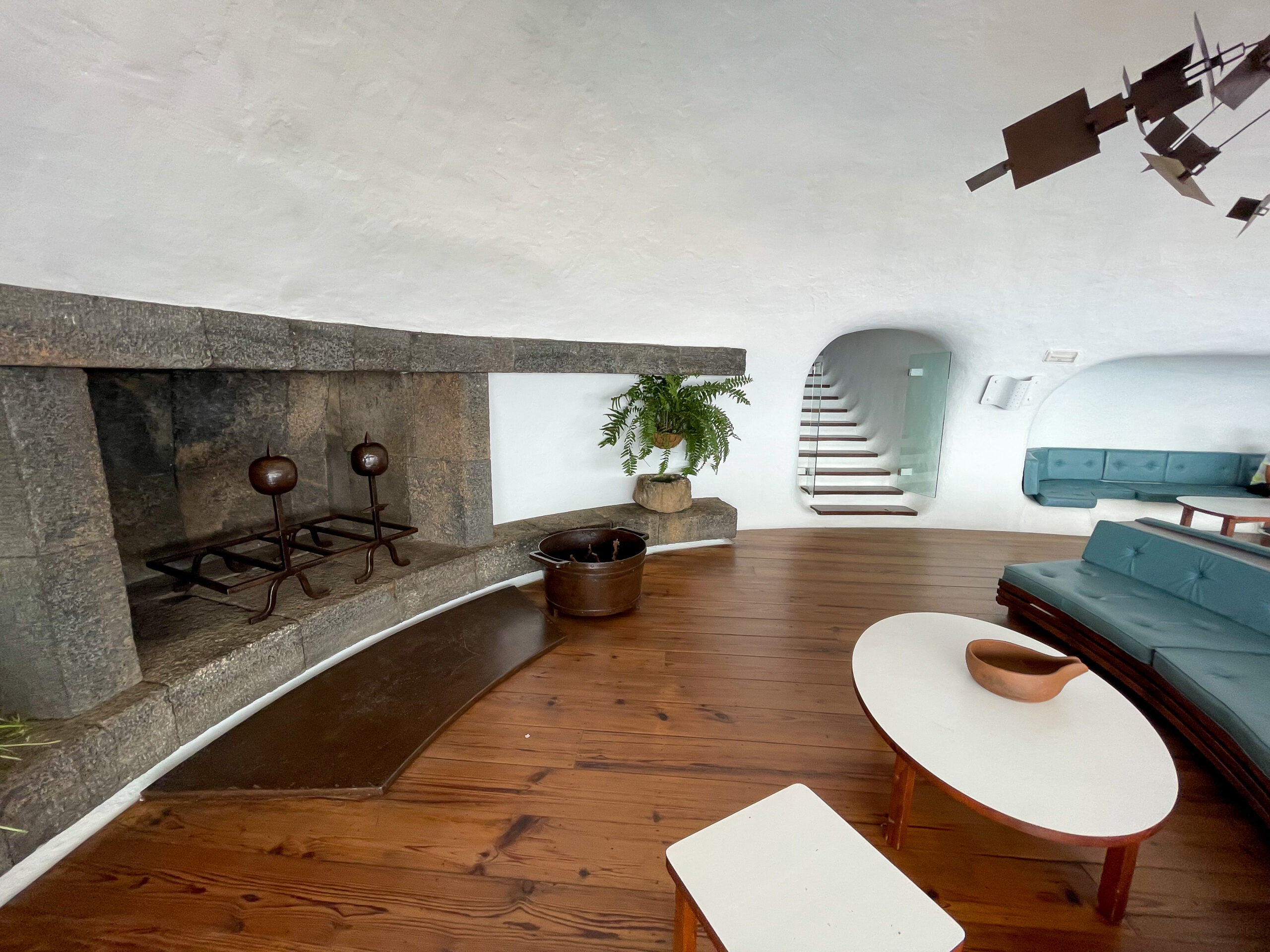
César Manrique shaped the viewpoint into the cliff rather than imposing it on the landscape. From a distance the building barely registers, its curves and stonework blending into the basalt. Inside, windows and openings frame the view like individual compositions rather than a single panorama, drawing the eye toward La Graciosa and, further still, the smaller islets of the Chinijo archipelago — Montaña Clara, Alegranza and the rocky outcrops beyond.
Mirador del Río is one of his clearest expressions of that philosophy — a viewpoint carved into the cliff itself, where art, geology and horizon meet as a single composition.
This stretch of northern Lanzarote has always been defined by wind and isolation. The Famara cliffs drop hundreds of metres to the water, and the trade winds that cross the channel keep the air sharp even on hot days. Fishermen once used the strait as a crossing point to La Graciosa, and the same view that draws visitors today would have been familiar to those working the water below.
Because the mirador sits so high above the coast, the perspective shifts with weather and time of day — clear, hard light at midday; softer gold tones as the sun drops toward Alegranza in late afternoon. It rewards a slow visit rather than a quick photograph, with the scale of the volcanic landscape only becoming apparent once you take in the full sweep from the terraces.