El Golfo & Charco de los Clicos
Emerald Lagoon in a Broken Crater
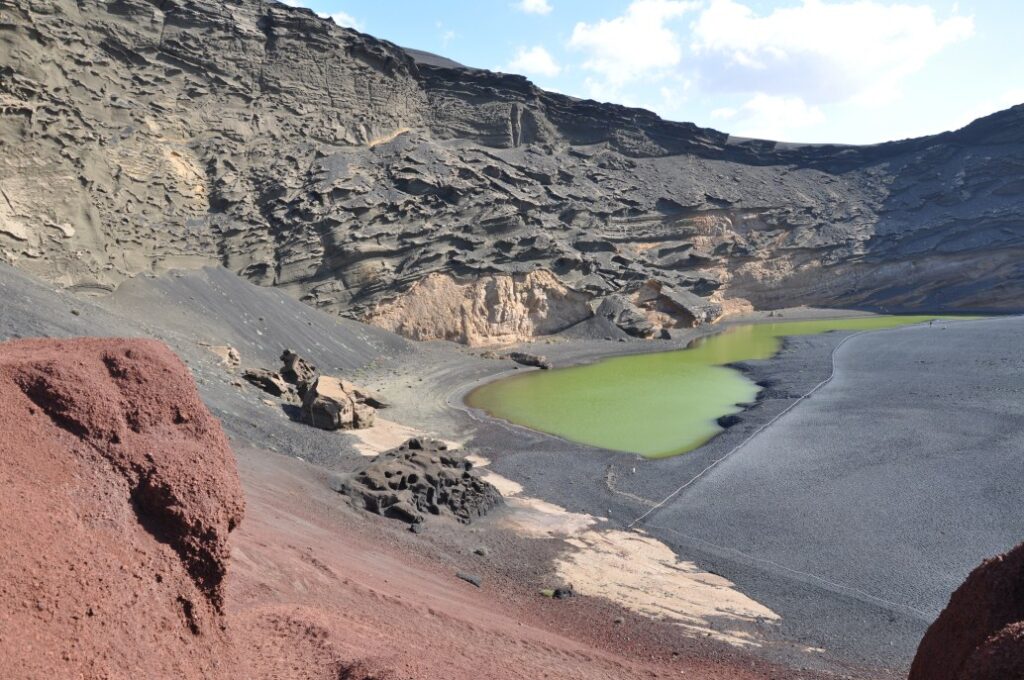
On Lanzarote’s west coast, a volcanic crater torn open by the Atlantic holds the vivid green Charco de los Clicos, framed by black sand, rust‑red cliffs and the fishing hamlet of El Golfo. It is one of the island’s most striking geological cross‑sections, shaped by the eighteenth‑century eruptions that built the Timanfaya region.
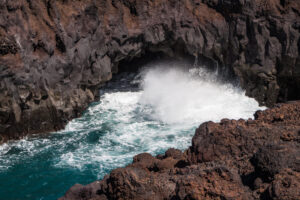
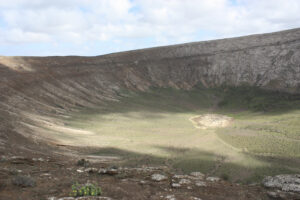
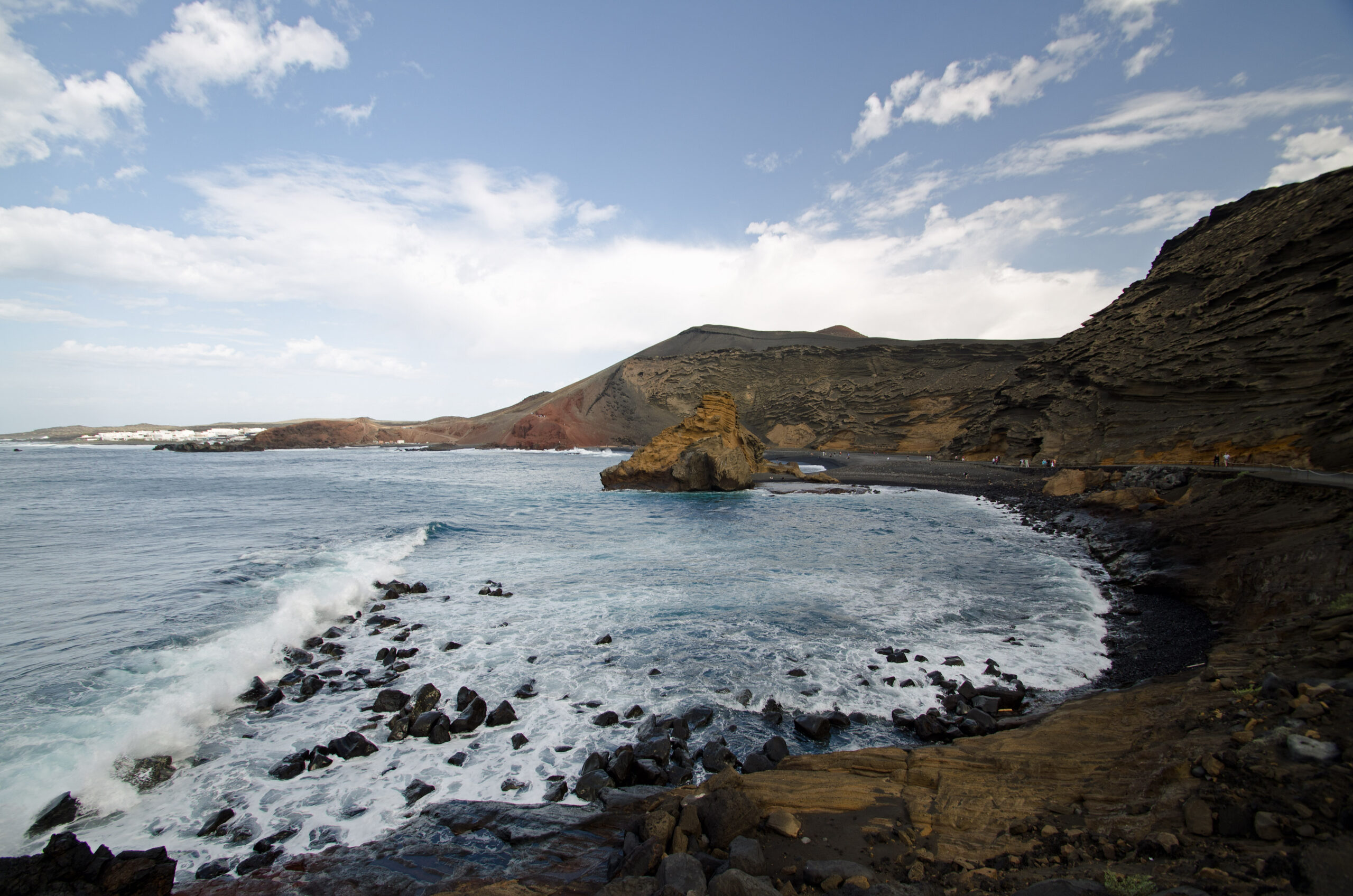
El Golfo sits on the western shoreline of Yaiza, where the lava fields of southern Lanzarote meet the open Atlantic. The landscape here is the result of the island’s eighteenth‑century eruptions: a volcanic cone whose seaward wall has been breached and worn down by waves, leaving a curved, half‑moon crater facing the ocean.
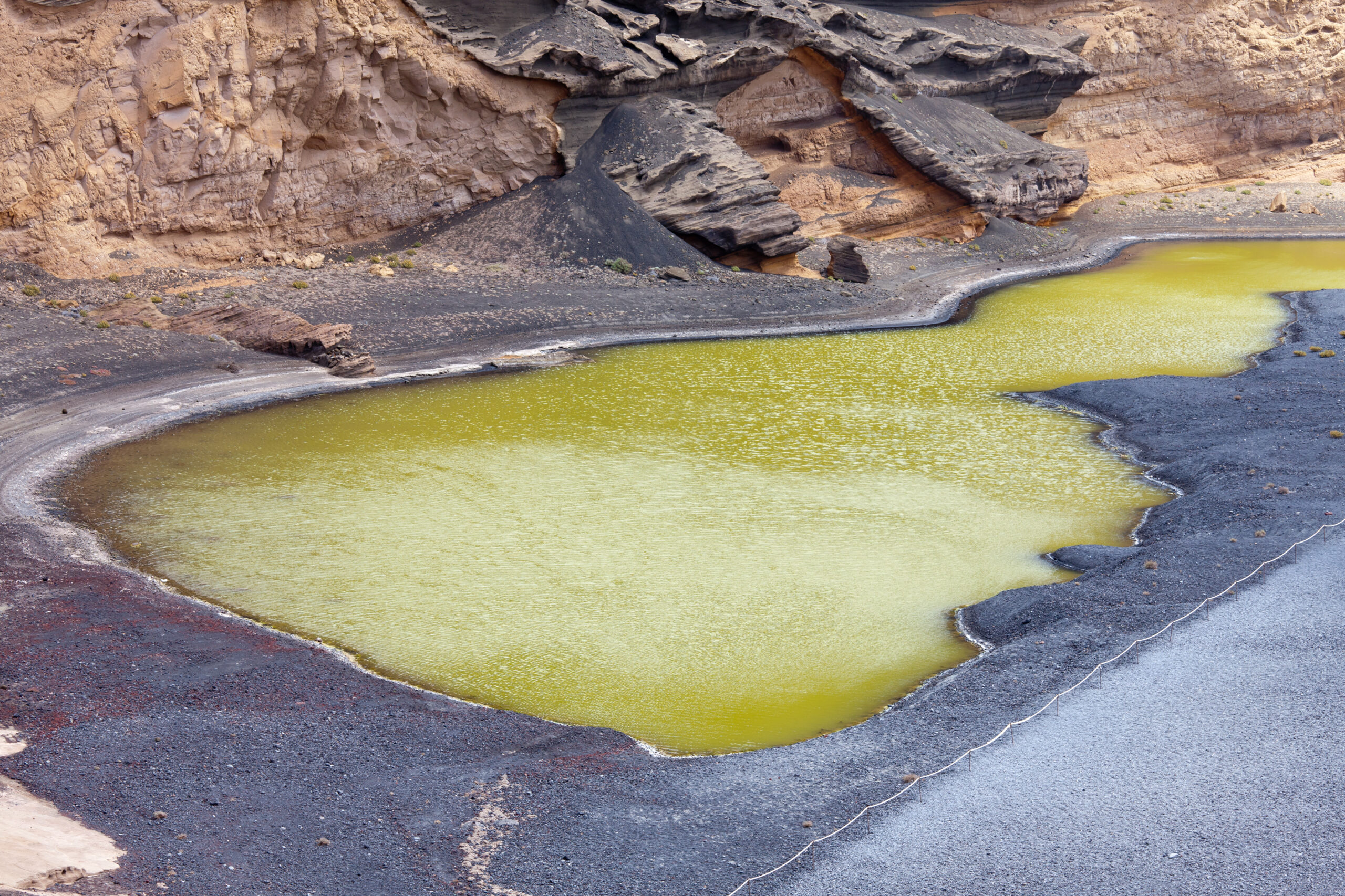
Within this broken crater lies Charco de los Clicos, a shallow lagoon separated from the sea by a bar of black volcanic sand. Its vivid green colour comes from algae thriving in the mineral‑rich, semi‑enclosed water, standing out sharply against cliffs that run through deep reds, ochres and blacks — layers of lava and ash exposed like a geological cross‑section.
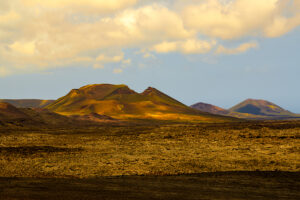
Beyond the lagoon, the beach stretches along the base of the crater wall, a mix of black sand and pebbles facing directly into the swell and prevailing winds that define Lanzarote’s west coast. Vegetation is sparse, leaving the raw volcanic geology fully visible: malpaís terrain of bare lava, low scrub and almost no shade.
A short walk south leads to the fishing hamlet of El Golfo, a cluster of low white houses that offers a human counterpoint to the stark geology around it. The village grew from a working relationship with the sea despite the harsh coastline, and today its restaurants and coastal paths make it a natural base for visiting the lagoon.
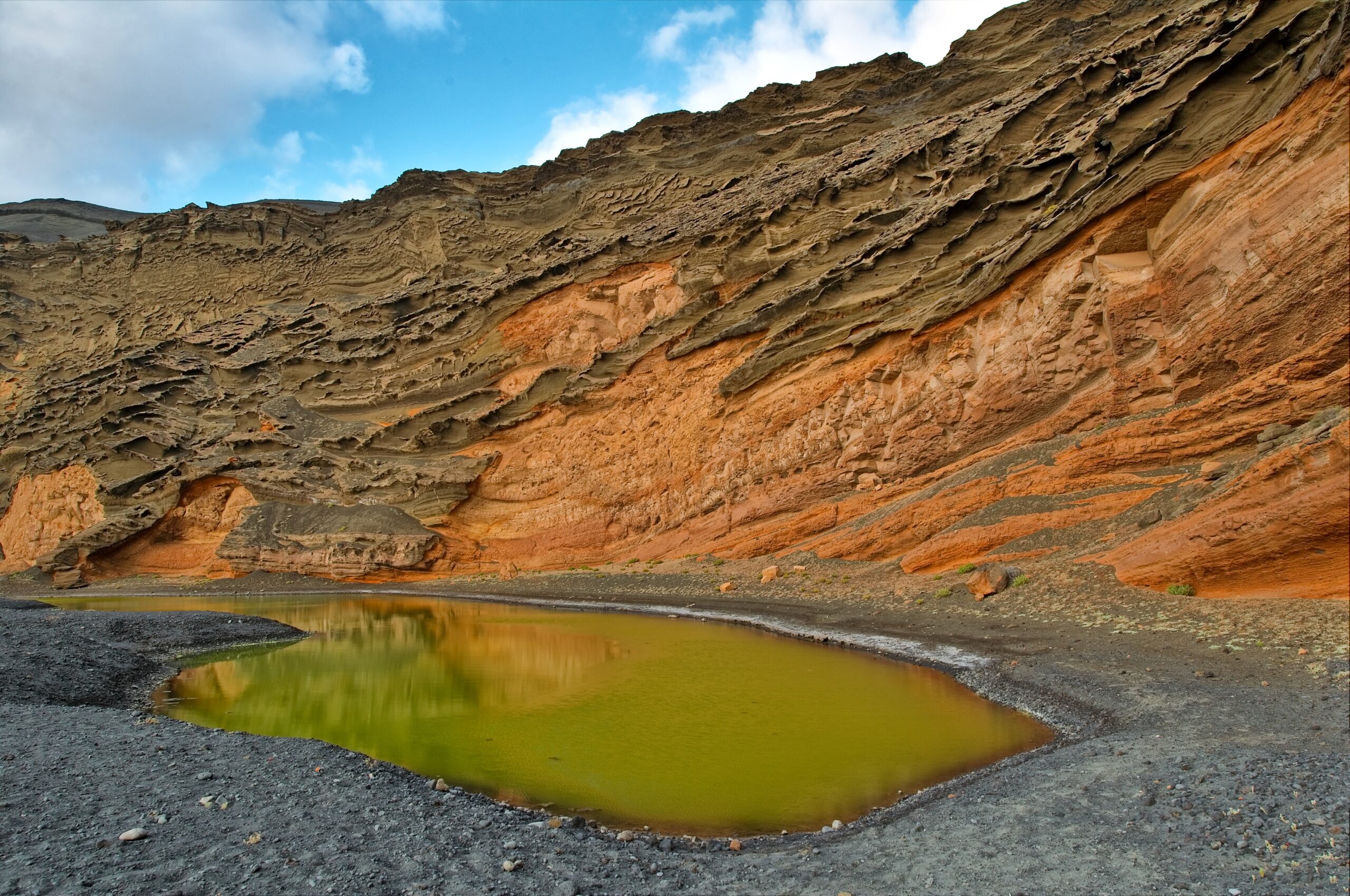
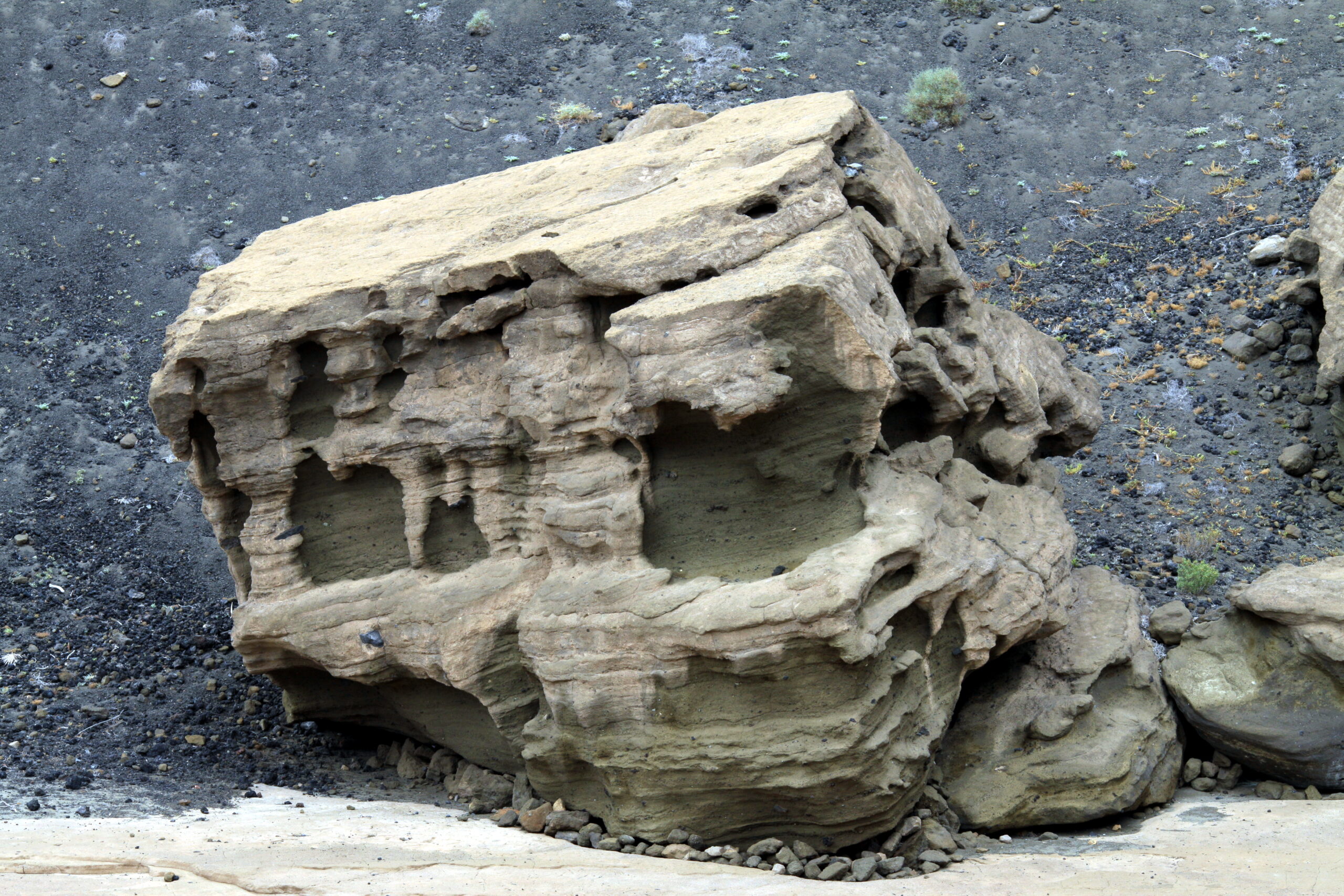
Paths along the crater rim give views down onto Charco de los Clicos from several angles, allowing visitors to trace the shape of the original volcano. Light shifts the scene dramatically: midday sun intensifies the lagoon’s green, while early morning and late afternoon sharpen the reds and blacks of the rock, changing the colour balance of the entire amphitheatre.
El Golfo and its lagoon are best understood as both scenic and geological — a rare chance to see the interior of a volcanic cone opened to the sea, still legible in its curved wall and mineral colours.