
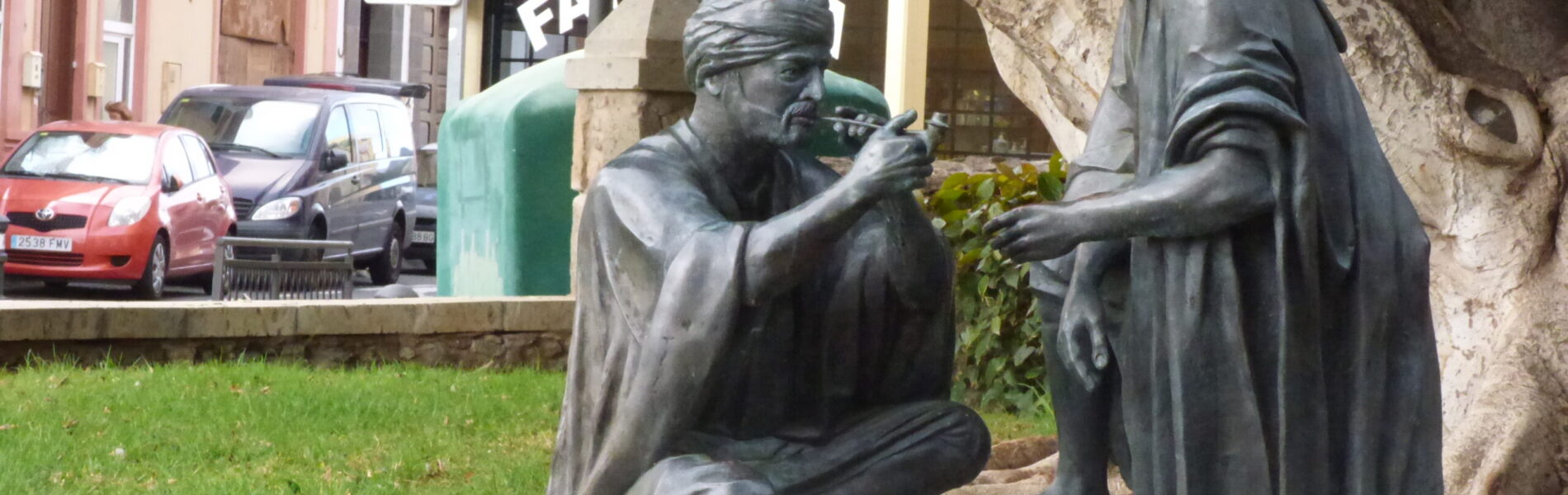
Agüimes Old Town sits inland in southeastern Gran Canaria, its lime‑washed houses and stone façades gathered around a sloping plaza well away from the coastal resorts. Narrow streets, shaded courtyards and a dominant parish church reflect the agricultural rhythms of a settlement built into dry ravine country.
Agüimes lies inland from Gran Canaria’s south‑eastern coast, in a landscape shaped by dry ravines, terraced slopes and volcanic ground typical of this part of the island. The old town occupies a slight rise above the surrounding barrancos, its layout following the compact, inward‑looking pattern common to historic inland settlements where shade, shelter and access to farmland mattered more than proximity to the sea.
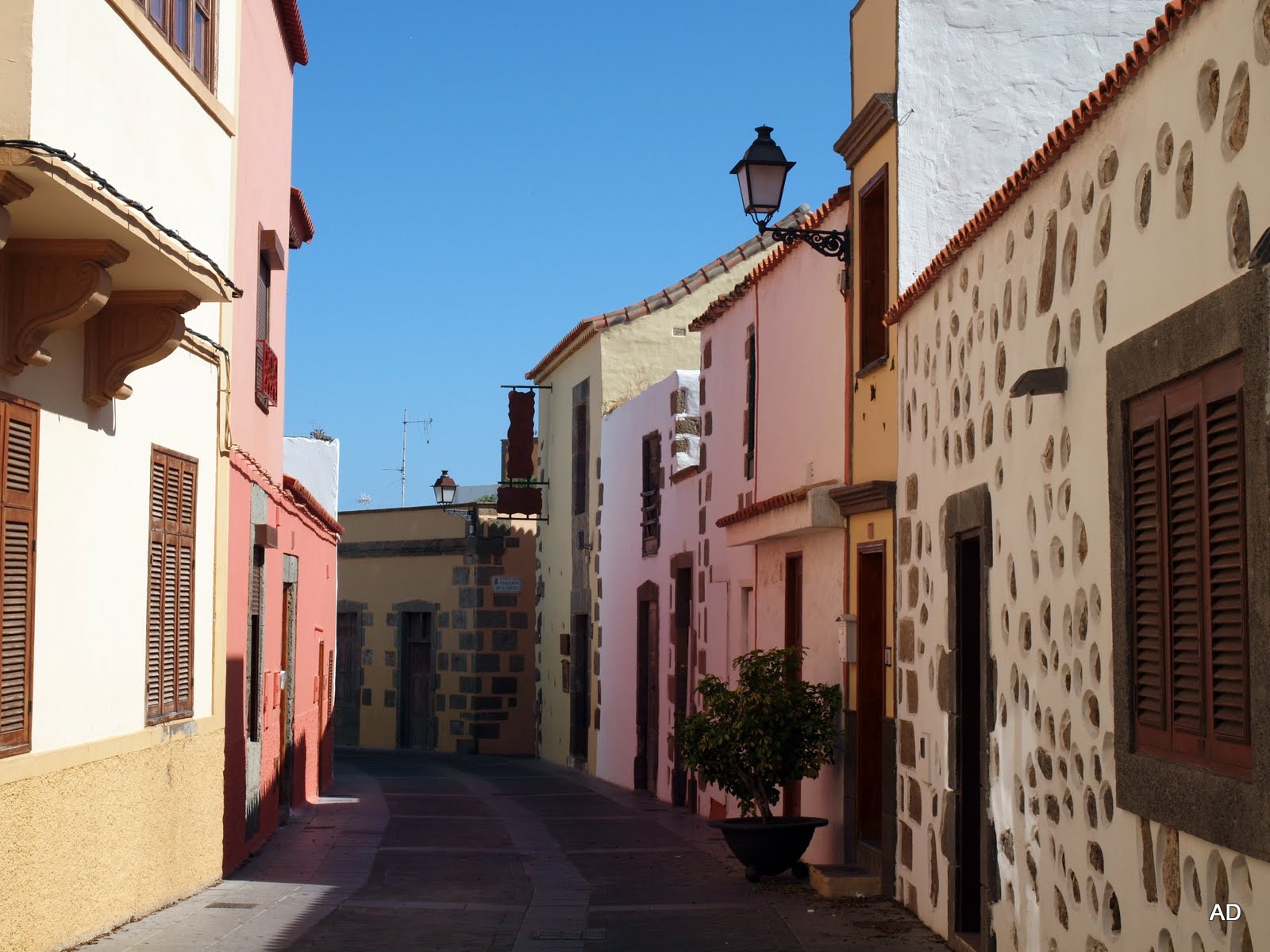
Walking the centre means following narrow lanes that climb and dip with the terrain, flanked by stone houses with lime‑washed walls, carved wooden balconies and studded doors. Small courtyards open behind iron gates, planted with hardy greenery — palms, geraniums and the occasional citrus tree — suited to the low rainfall of Gran Canaria’s interior. The textures are unmistakably Canarian: terracotta tiles, weathered stone lintels and hand‑painted ceramic street signs.
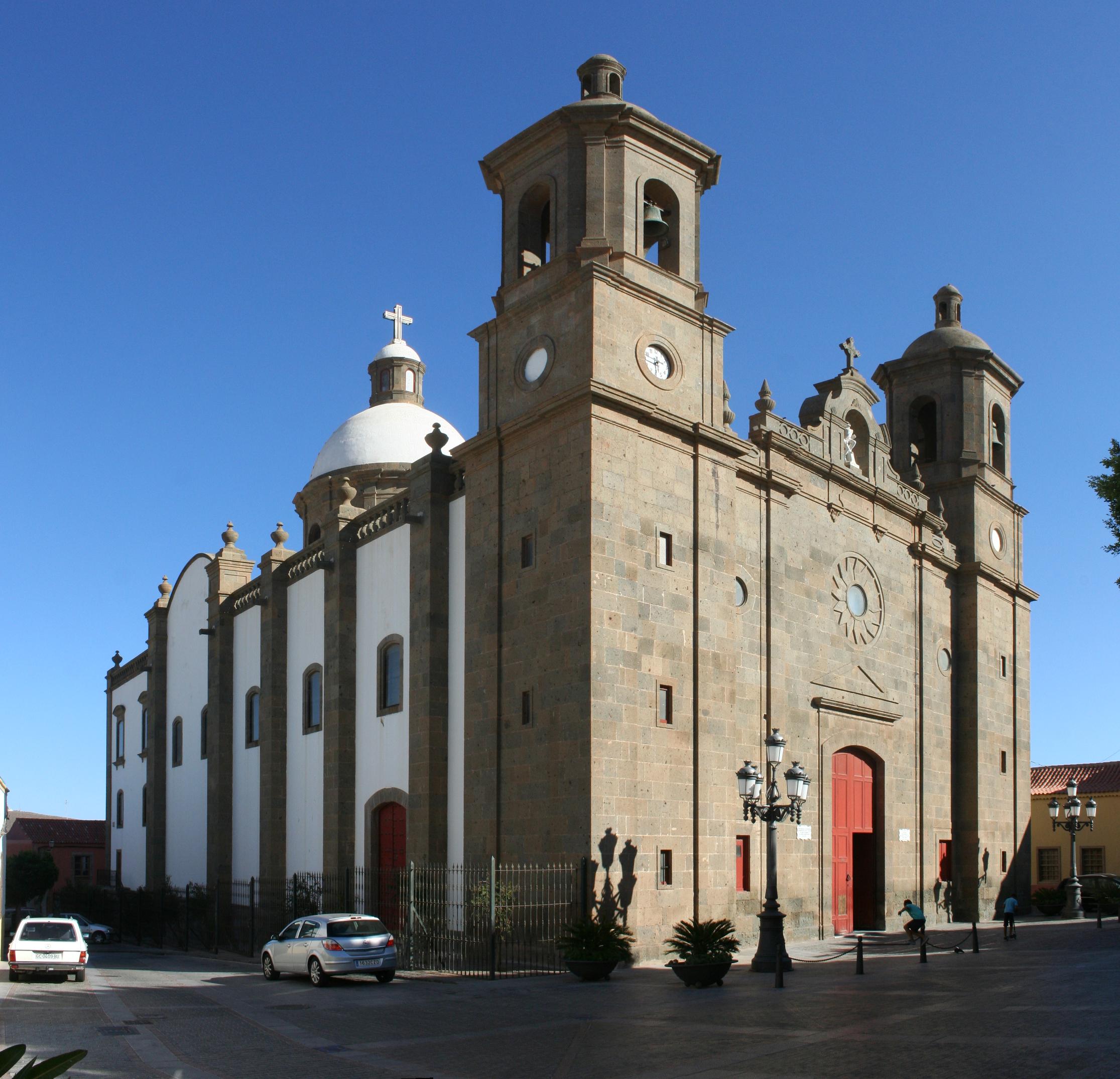
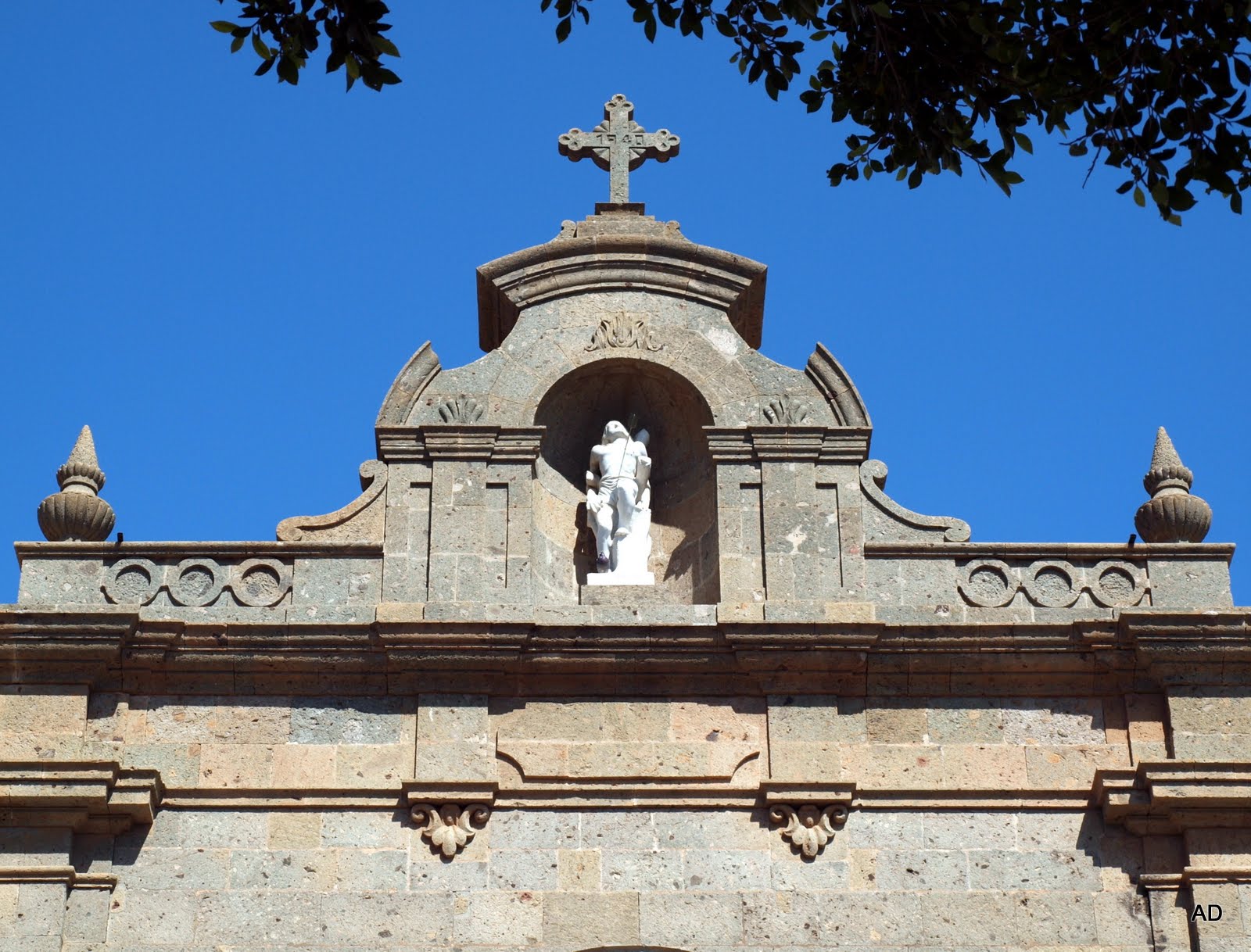
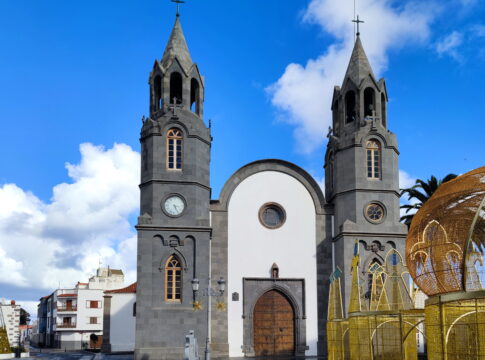
At the heart of the old town, a broad plaza opens in front of the parish church, a substantial building whose twin towers and stone façade reflect Agüimes’ historic role as an administrative and market centre for the surrounding agricultural valleys. The scale of the church contrasts with the modest houses around it, anchoring the settlement visually and historically.
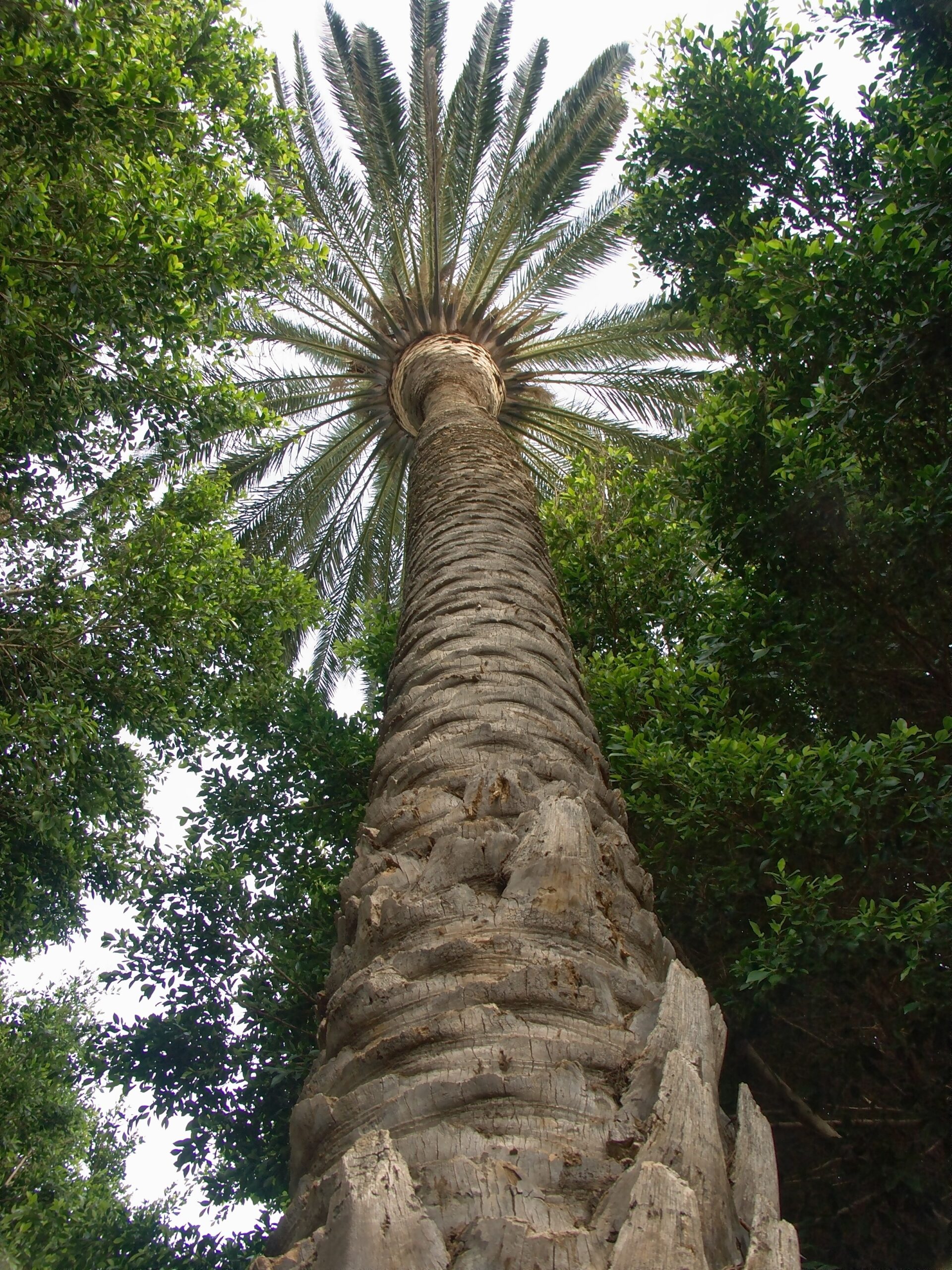
Beyond the historic core, the land drops into ravines and terraced farmland where tomatoes, vines and fruit trees have long been cultivated. The contrast between the tightly packed old town and the open, sun‑baked countryside around it is one of Agüimes’ defining qualities — a settlement built for shade and community, set against a wide, dry volcanic landscape shaped by centuries of agriculture.
🏛 Similar places


🏨 Hotels nearby
No hotels found.