Guayadeque Ravine
A Cave-Dwelling Valley in the Volcanic South
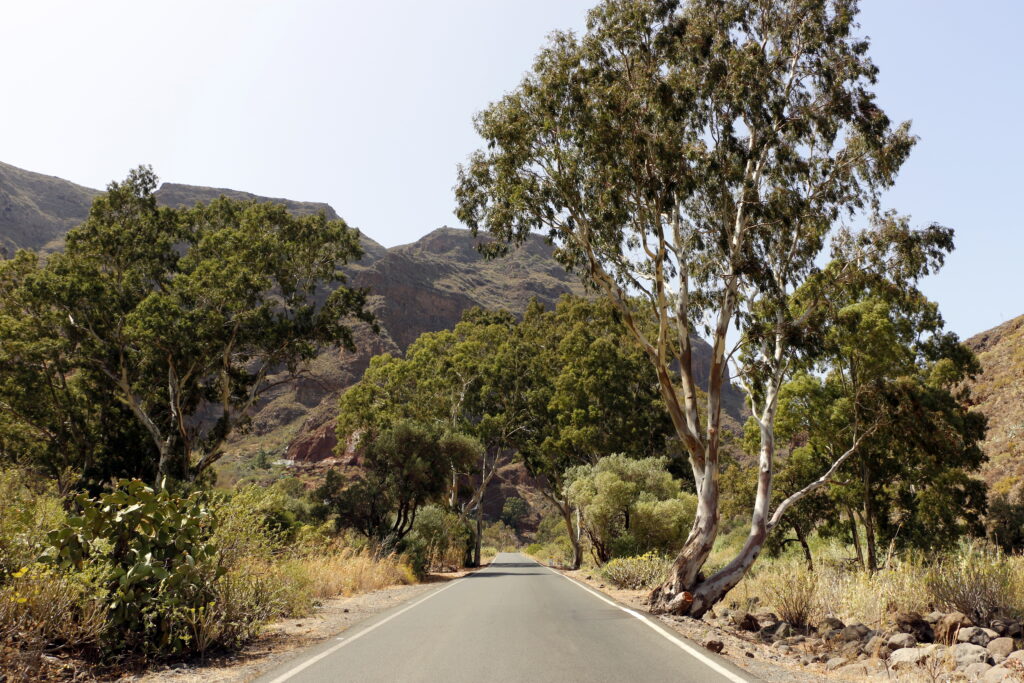
Guayadeque Ravine cuts deep through the volcanic terrain of southeastern Gran Canaria, dividing Agüimes from Ingenio. Its steep walls shelter cave dwellings, a rock‑hewn chapel and pockets of palm and almond, making it one of the island’s most distinctive inland landscapes.
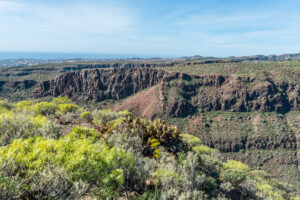
Guayadeque Ravine descends from the upper slopes of Gran Canaria’s central massif toward the arid southeast, carving a long corridor through layers of volcanic tuff, ash and basalt. The ravine’s steep walls glow in ochre and grey, pitted with natural hollows that have been enlarged and inhabited for centuries. As the valley narrows, the shift in temperature, vegetation and light from the coast below becomes immediate.
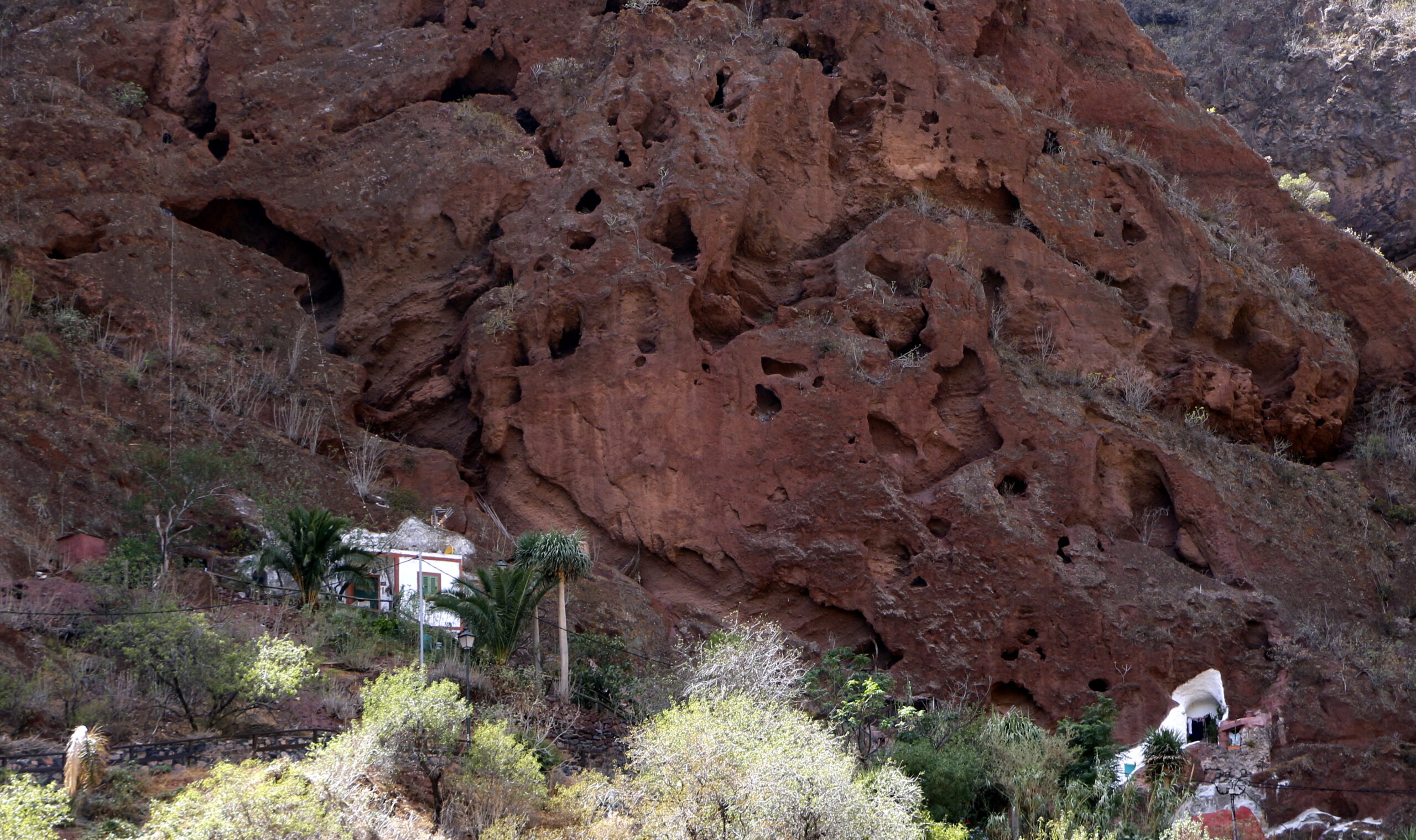
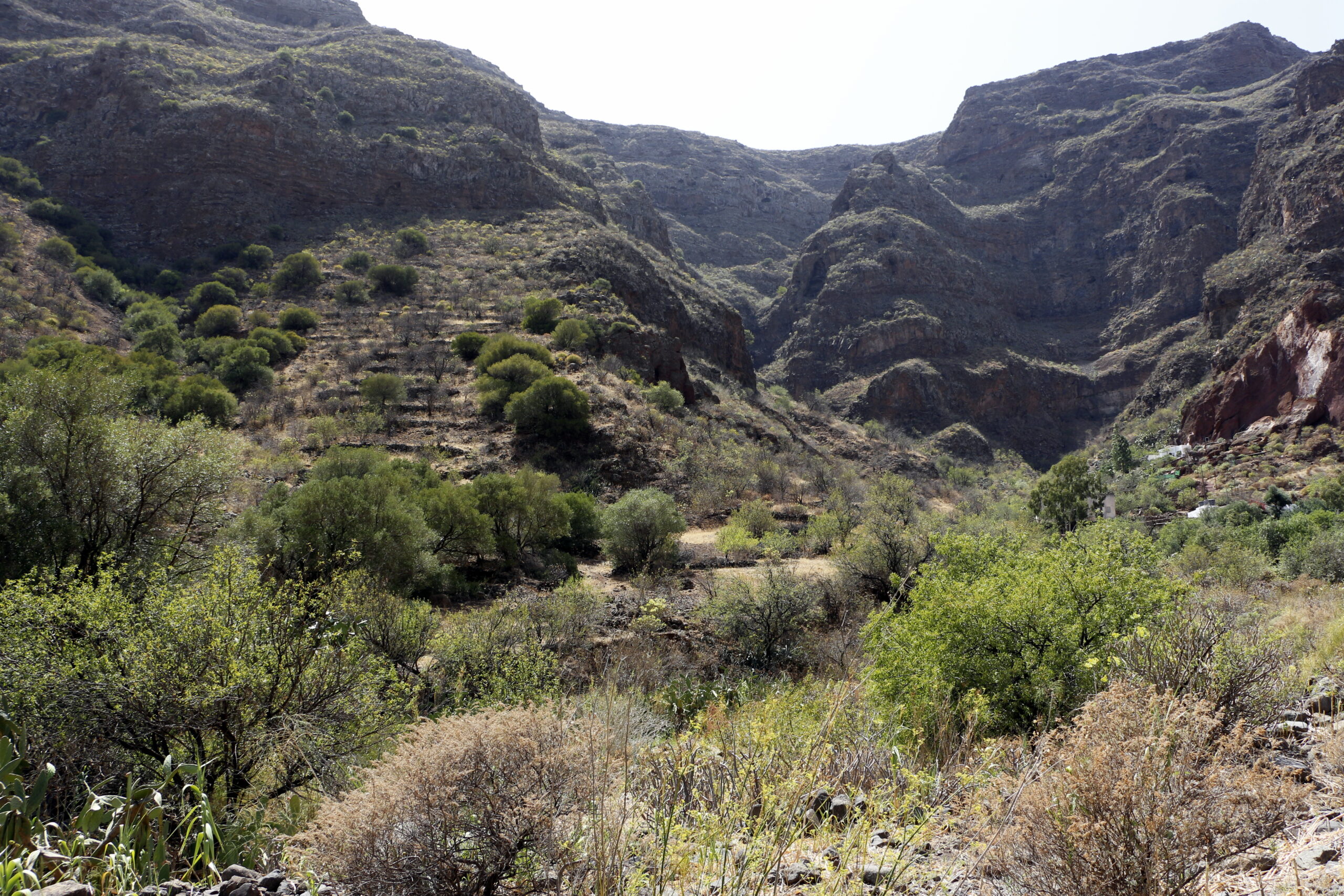
For Gran Canaria’s earliest inhabitants, Guayadeque offered refuge and material: the soft volcanic tuff could be hollowed easily into homes, granaries and burial chambers. That tradition of cave dwelling remains visible today. Houses cut directly into the rock still line parts of the ravine, their façades little more than a door and window set into the cliff, with smoke rising from chimneys hidden inside the hillside.
Further up the valley stands a chapel carved entirely from the rock — one of the most striking examples of the ravine’s troglodyte architecture. Around it, small communities continue to work terraces and keep goats on the steep slopes, maintaining agricultural rhythms that have shaped this landscape for generations. Almond trees grow in scattered groves, their blossom in late winter softening the ravine’s volcanic palette with white and pale pink.
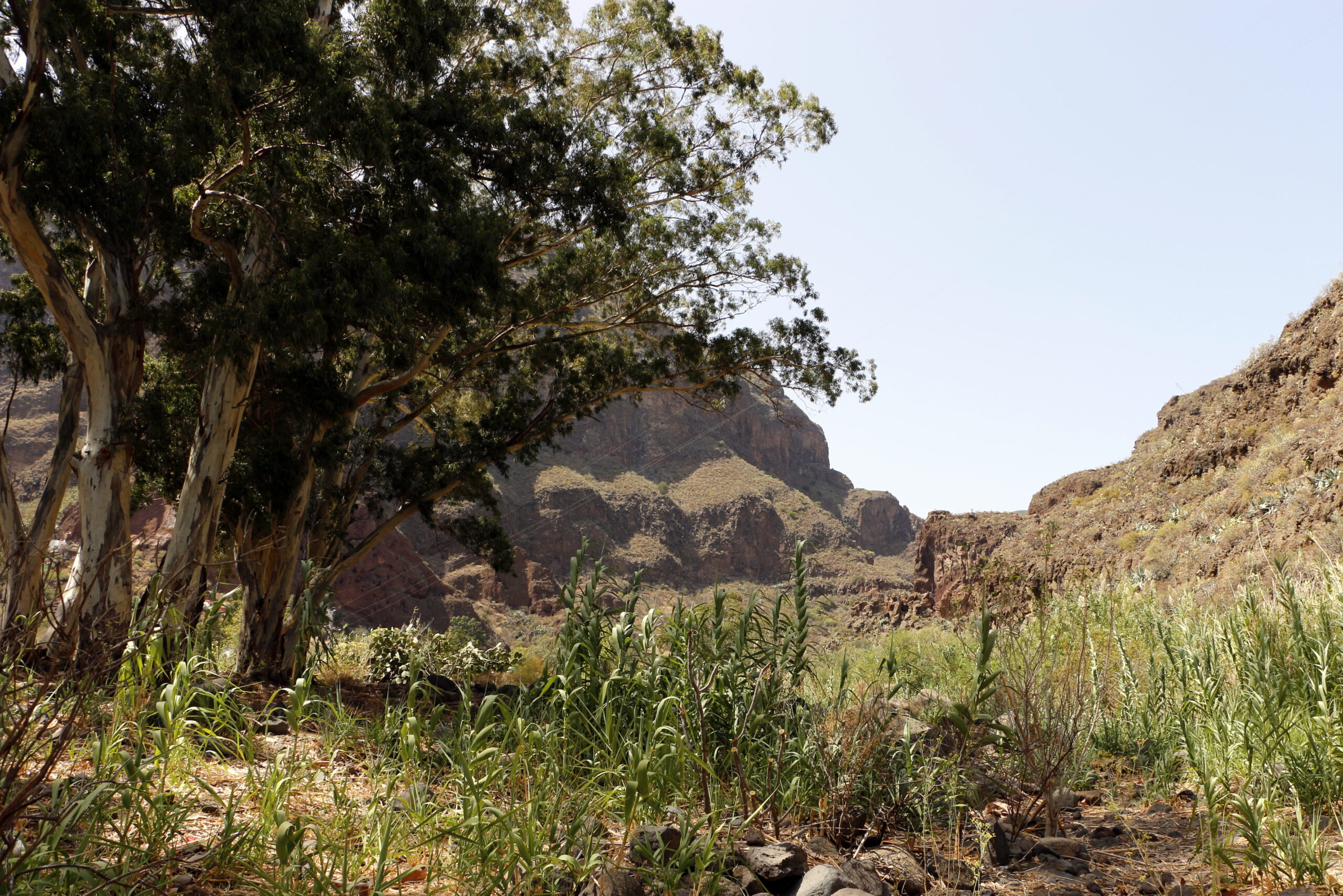
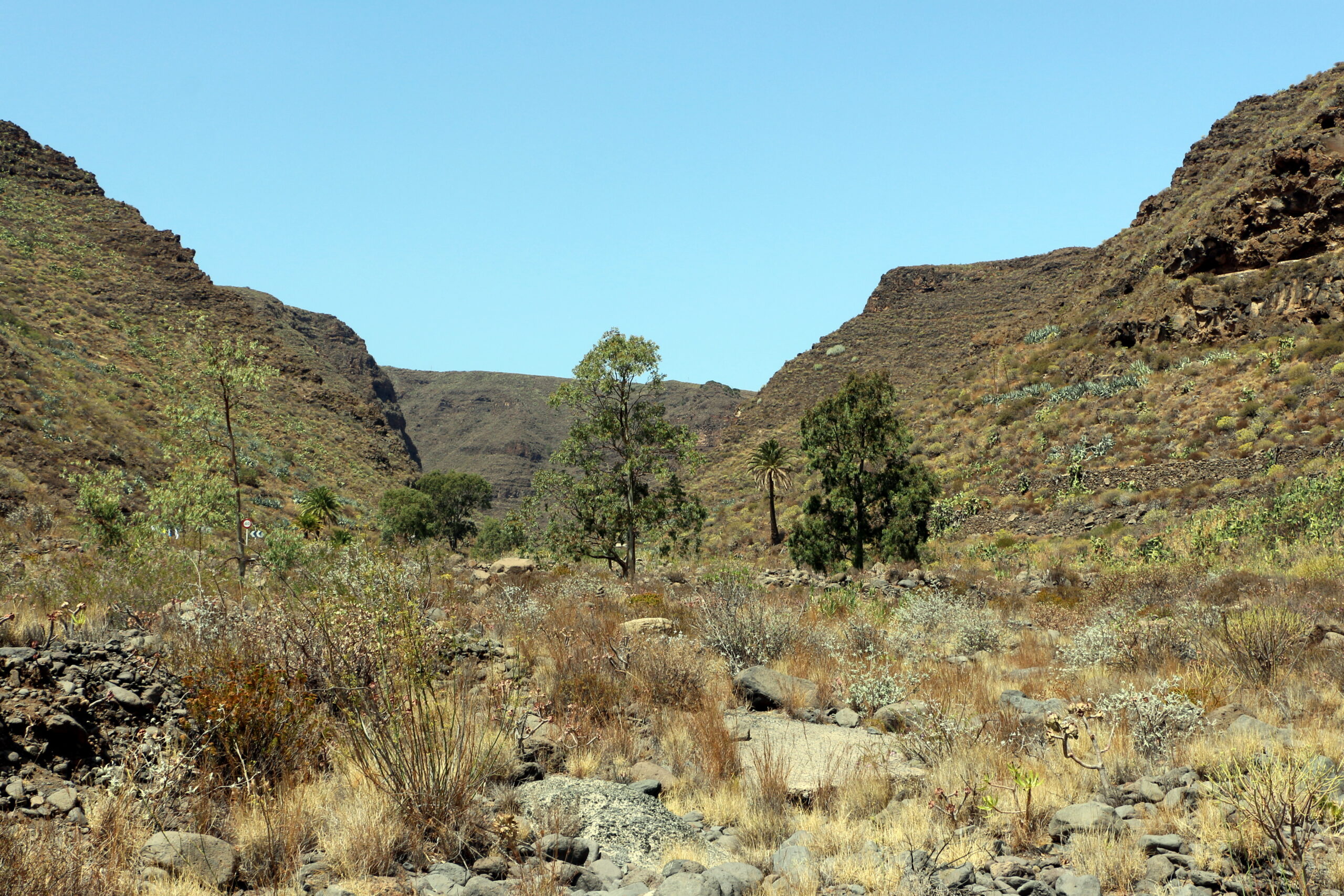
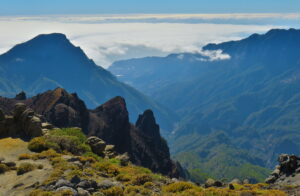
Walking trails follow the ravine bed and climb its side spurs, offering views back toward Agüimes and Ingenio and upward toward the drier, more exposed reaches of the valley. Vegetation shifts accordingly: palm stands and cultivated terraces near the base give way to scrub, bare rock and hardy highland plants higher up, reflecting the rain‑shadow climate typical of southeastern Gran Canaria.