Artenara Caves
Gran Canaria's Troglodyte Heights
High in Gran Canaria’s volcanic interior, Artenara is riddled with caves carved into soft pale rock, some still lived in, others turned into cellars, chapels and lookout points. Pine forest and deep ravines surround the village, which sits higher than anywhere else on the island.
Artenara sits higher than any other village on Gran Canaria, perched on the upper rim of the island’s volcanic interior. The rock here — pale, porous volcanic tuff — has been hollowed out for centuries, forming cave dwellings cut directly into the slopes rather than built upon them. In a landscape where flat ground is scarce and ravines dominate, carving into the hillside became a practical tradition that still shapes the village today.
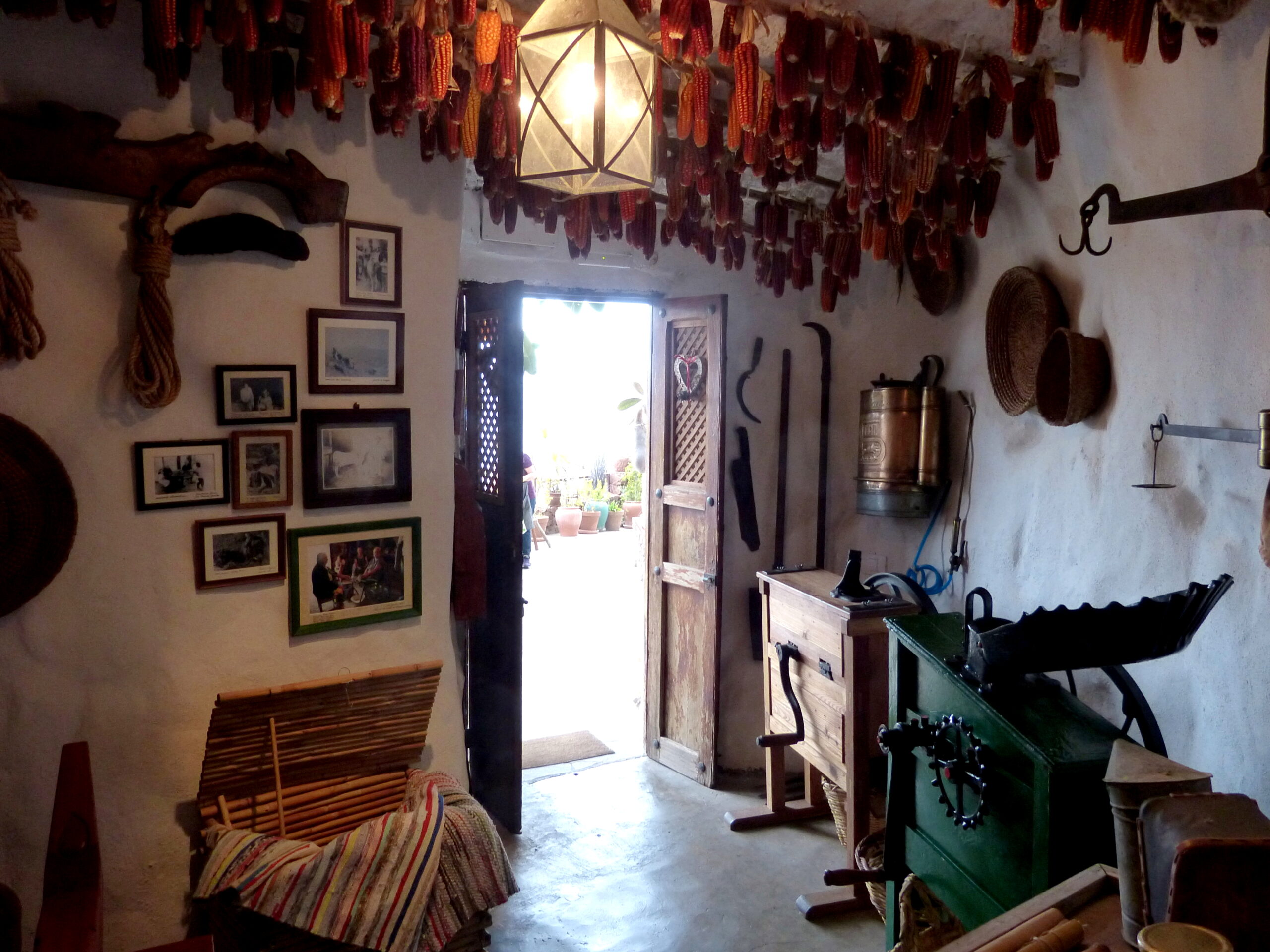
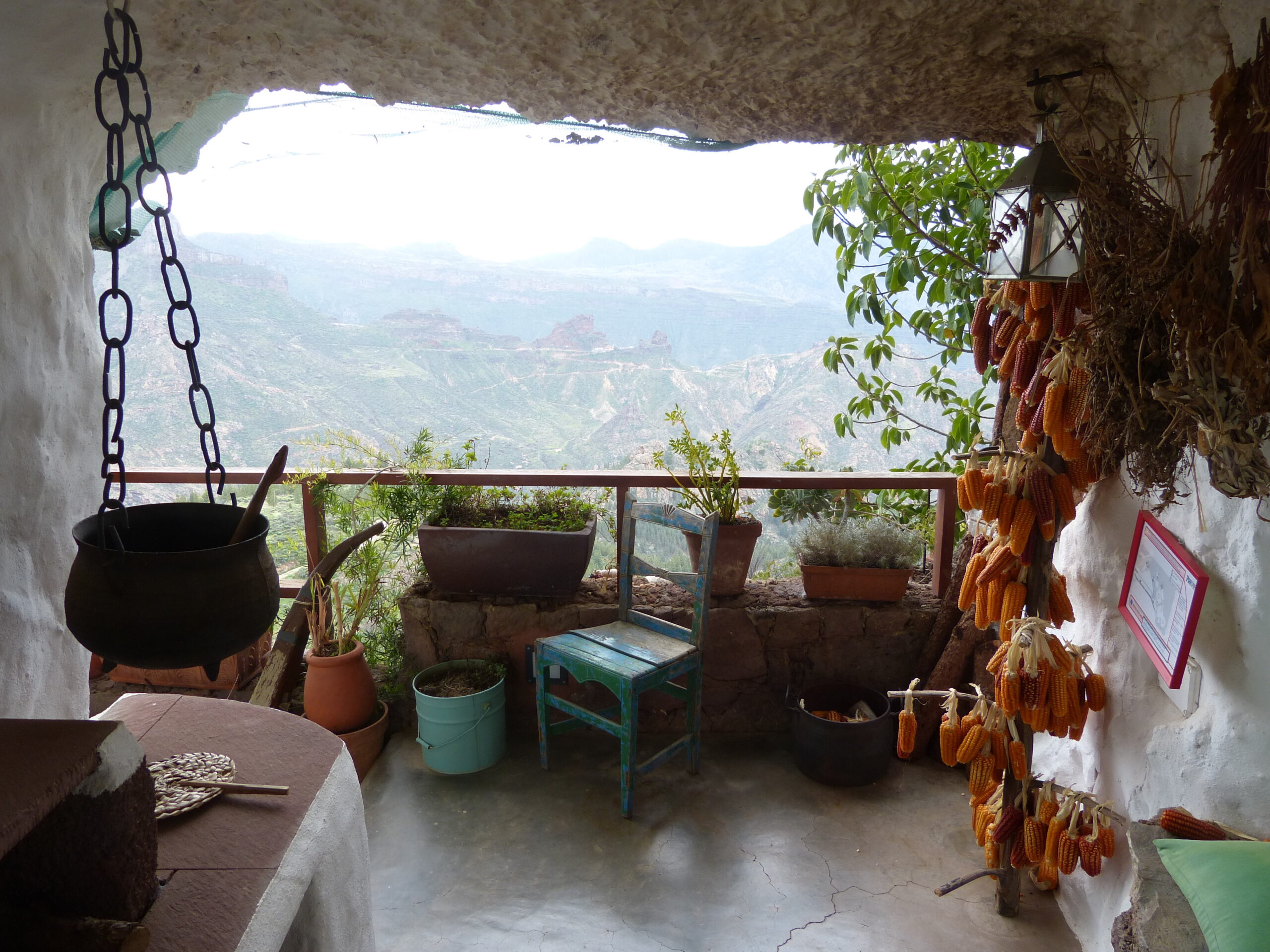
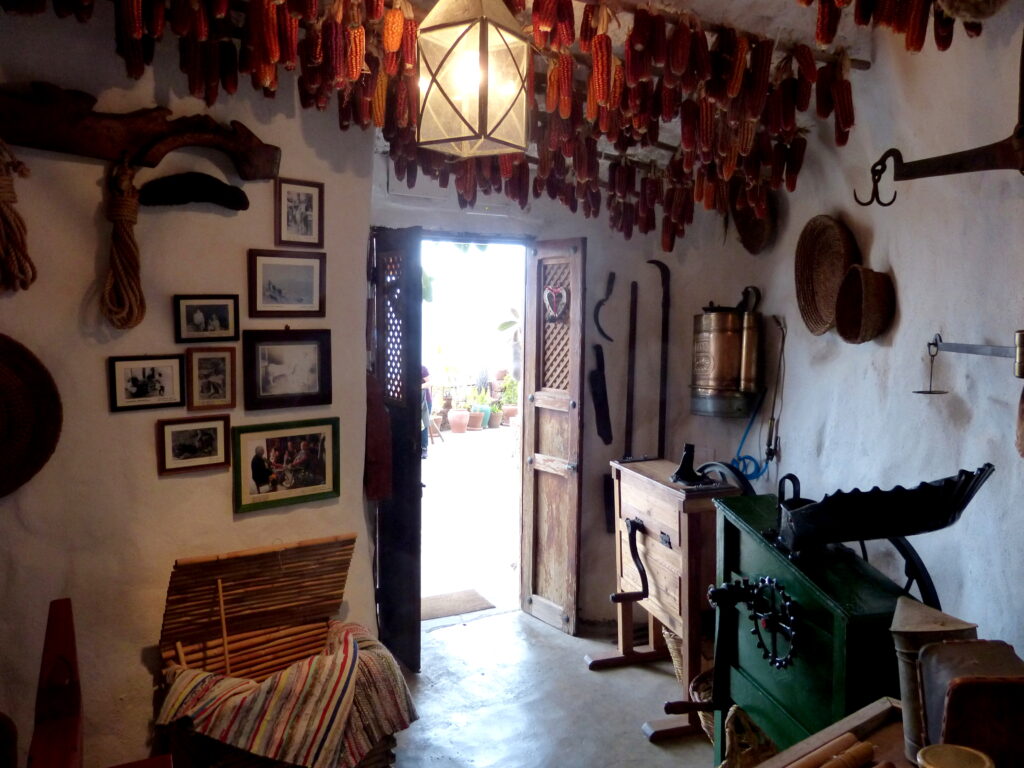
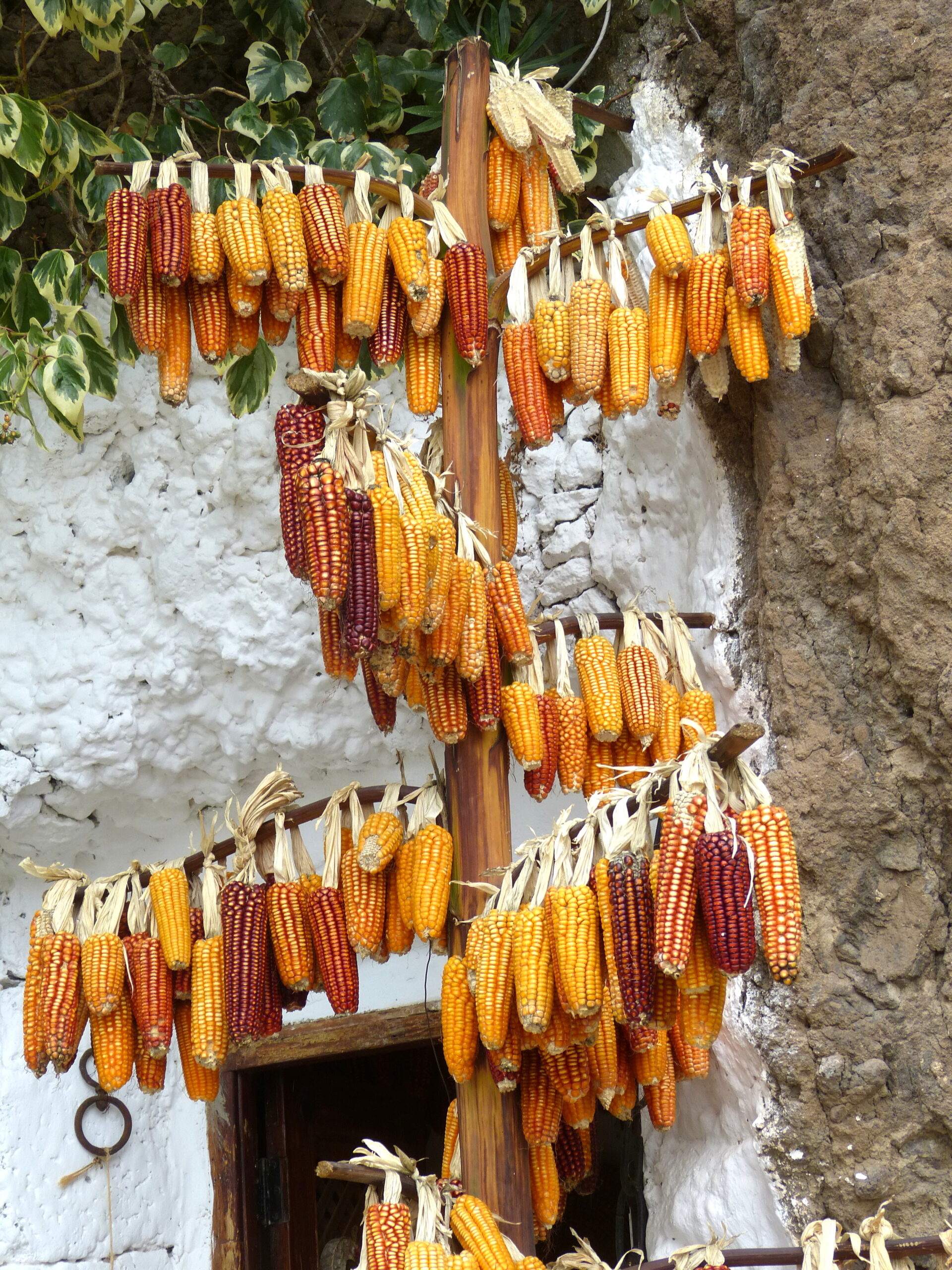
Many caves remain inhabited, their whitewashed façades, wooden doors and chimney pipes the only outward signs of the rooms extending deep into the rock. Others have become cellars, workshops or small chapels, reflecting how communities in Gran Canaria’s highlands adapted to steep terrain, long distances to the coast and a climate cooler than the lowlands.
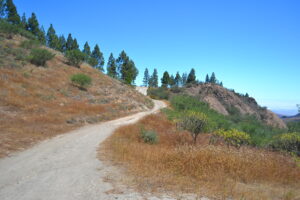
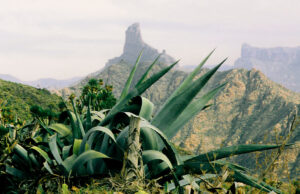
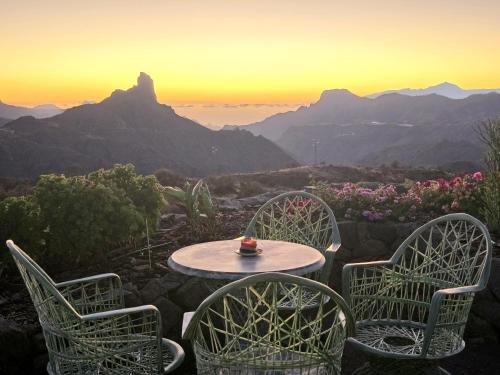
The surrounding landscape is Canary pine forest, thinning in places to reveal terraced slopes where almonds, figs and hardy crops have long been grown. From the higher ledges, views open across the Caldera de Tejeda — the great eroded crater at the island’s centre — with Roque Nublo and the Tejeda peaks rising in the middle distance.
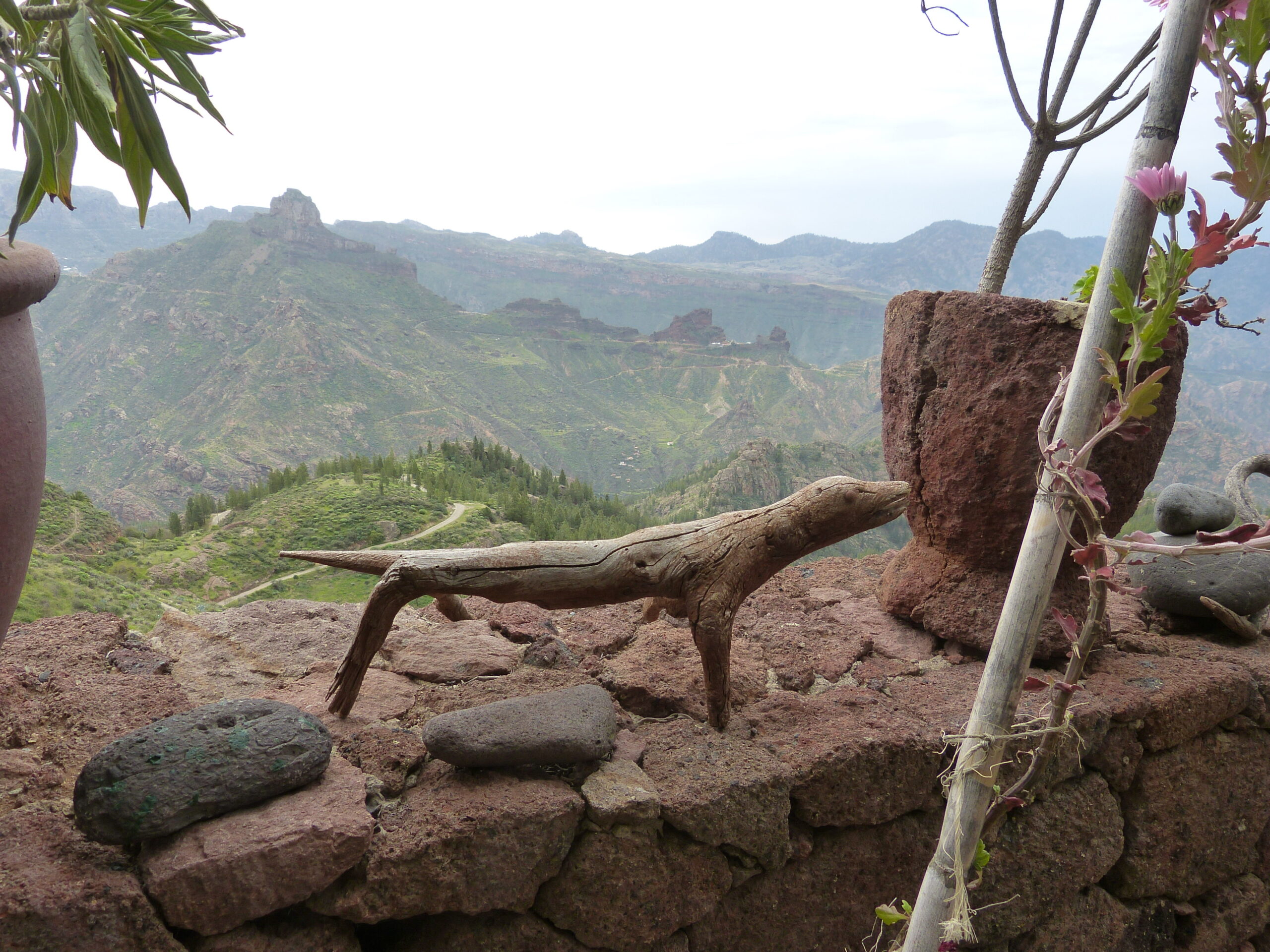
Because of its altitude, Artenara often wakes under mist that settles among the pines before lifting by midday. The air is cooler, the light sharper, and the pace slower than on the coasts. Paths thread between cave entrances, pine stands and rocky outcrops, making this a landscape built for unhurried walking rather than quick sightseeing — a place where Gran Canaria’s volcanic origins and human adaptation meet most clearly.