
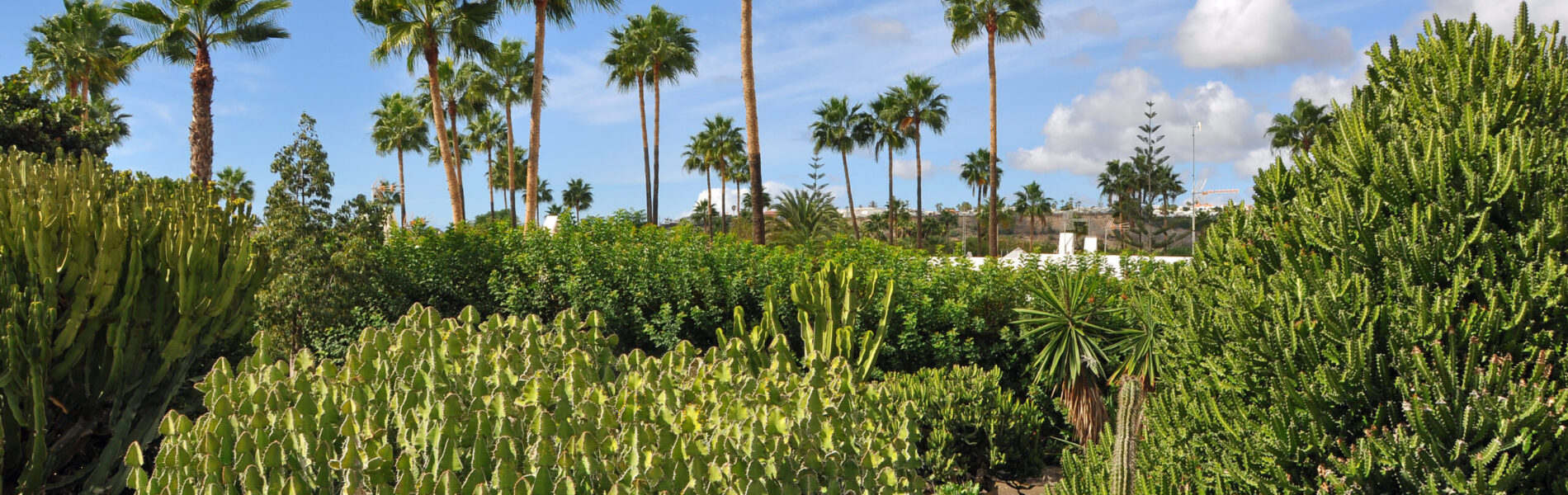
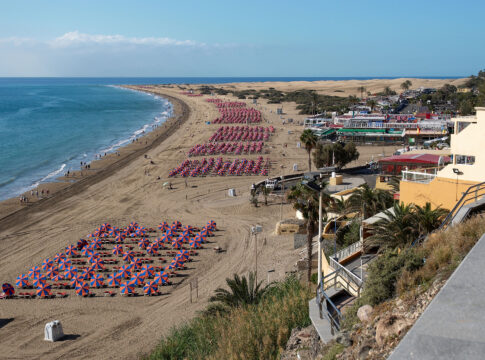
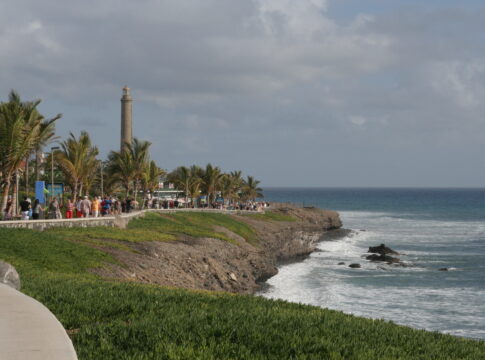
Maspalomas beach sits at the southern tip of Gran Canaria, where a shifting dune system rolls down to open Atlantic water. Shaped by trade winds off the Sahara‑facing coast, the terrain shifts from golden sand to a small palm‑fringed lagoon, marking the boundary between the island’s arid south and the sea.
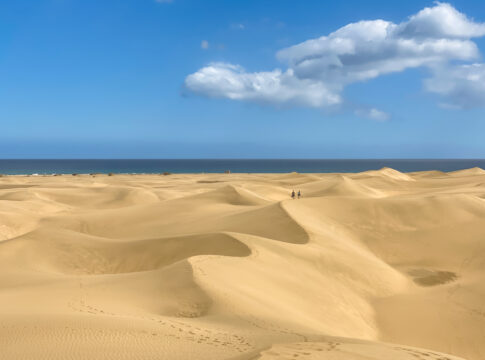
Maspalomas occupies the southernmost point of Gran Canaria, a stretch of coast shaped as much by wind as by water. The island’s dominant trade winds, funnelled down from the northeast, sweep sand inland off the beach to build a dune field that has become the defining feature of this part of the coast — a landscape more associated with the Sahara than with a mid‑Atlantic island, and a striking contrast to the volcanic cliffs and ravines found further north.
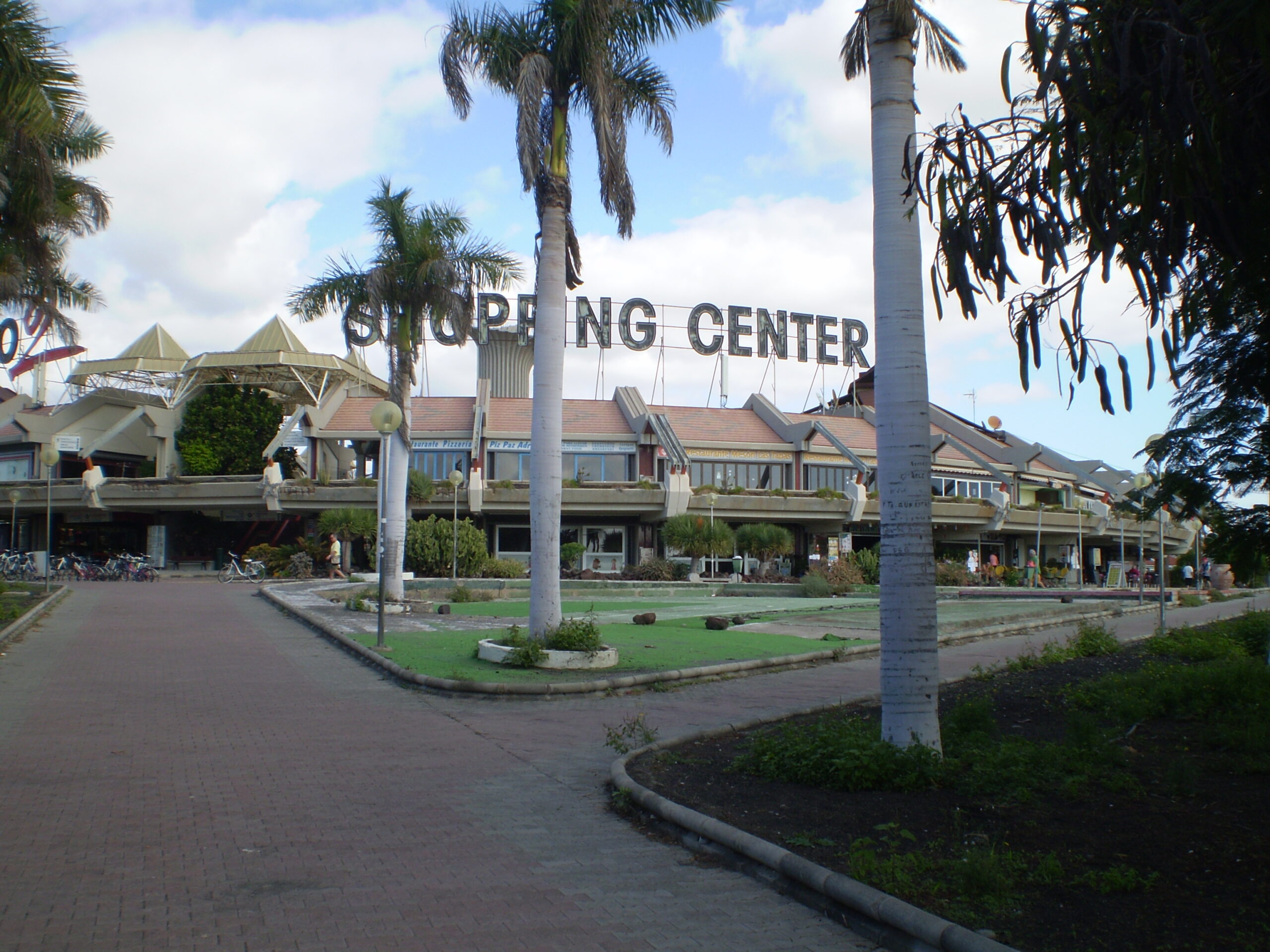
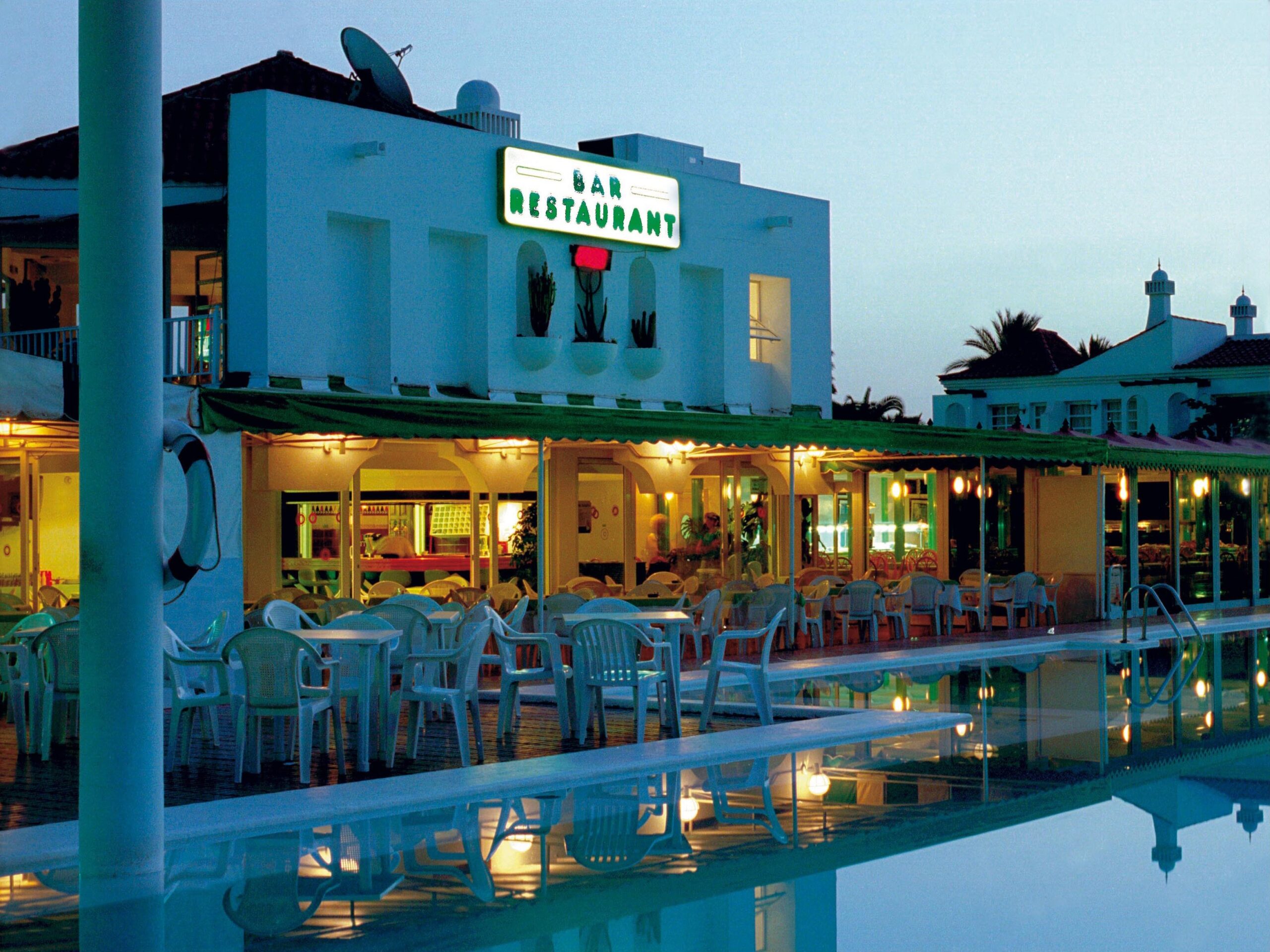
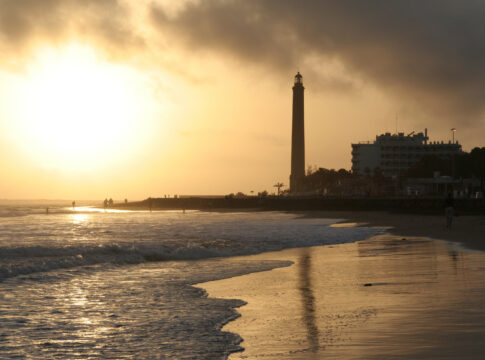
The beach itself runs along the open Atlantic edge of this dune system, exposed to the swell and breeze that keep the whole area noticeably drier and warmer than the island’s interior and north coast. This is typical of Gran Canaria’s southern microclimate, where the rain‑bearing clouds that build against the central mountains rarely reach, leaving a near‑permanent run of sun and clear skies.
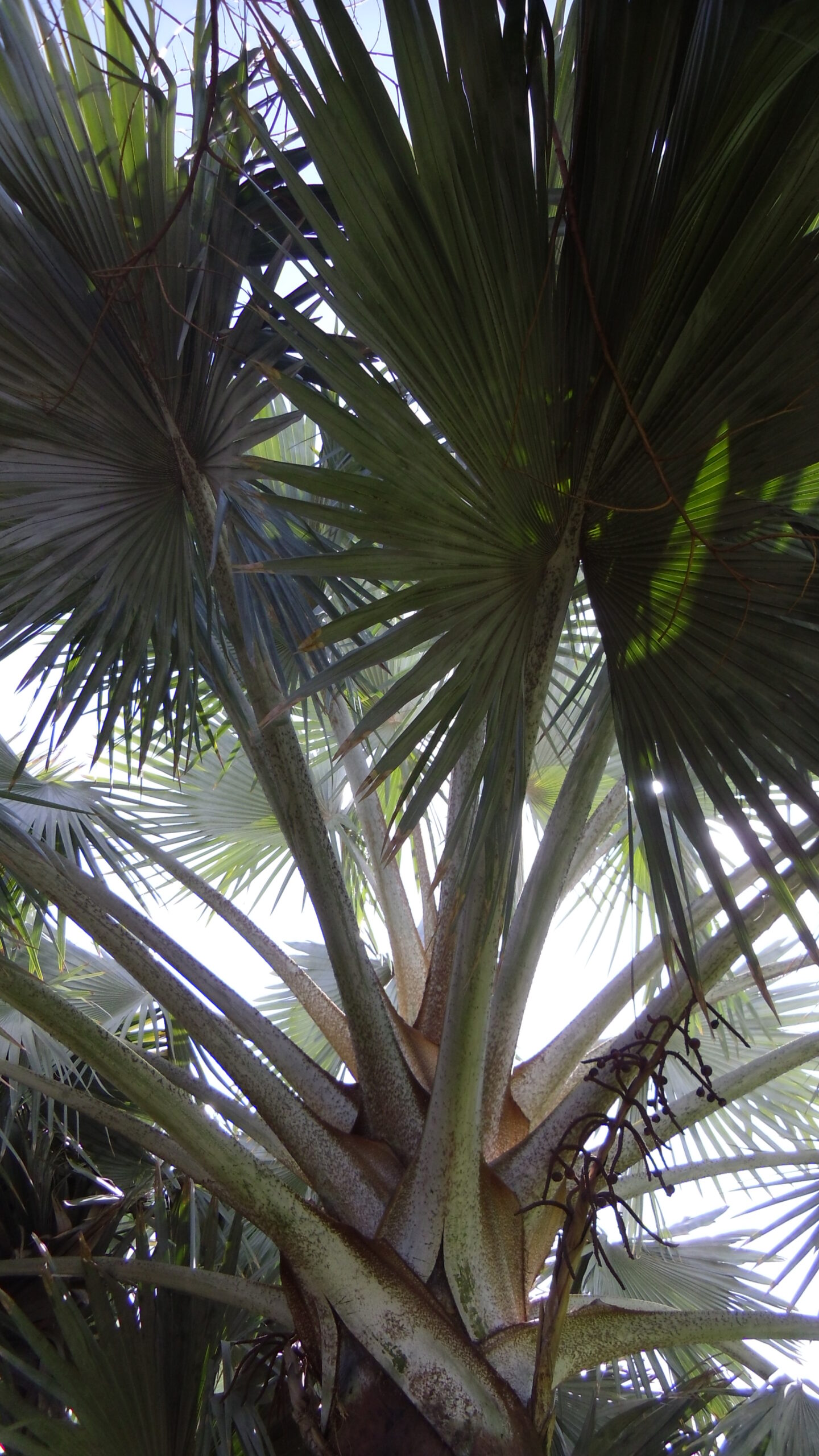
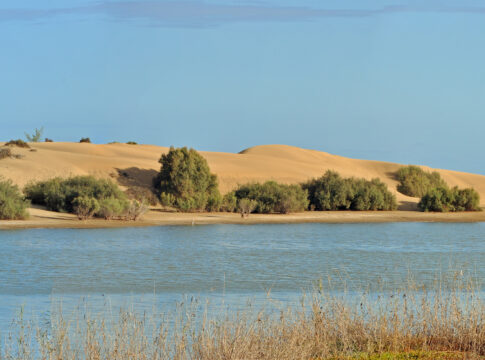
Behind the shoreline, the dunes give way to a low‑lying area where a small natural lagoon forms, fed partly by groundwater and partly by the sea, fringed with palms that hint at the oasis vegetation once found in sheltered pockets of the south before large‑scale tourism development arrived. It is a quiet counterpoint to the open beach, a reminder that this coastline was shaped by natural processes long before it became one of the island’s best‑known destinations.
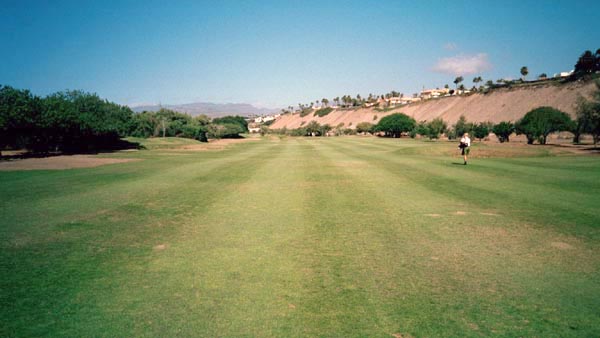
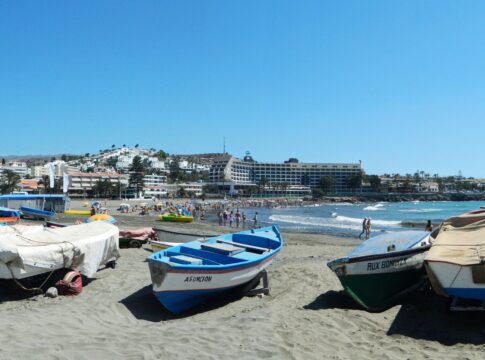
As with much of southern Gran Canaria, Maspalomas grew from a scattering of fishing and farming activity into a major resort area from the mid‑20th century onwards, drawn by the same climate and coastal setting that still define it today. The beach remains the anchor of that development — a long, open expanse of Atlantic coastline backed by one of the Canary Islands’ most distinctive natural landforms.
🏛 Similar places
🌿 Worth a detour


🏨 Hotels nearby
No hotels found.