
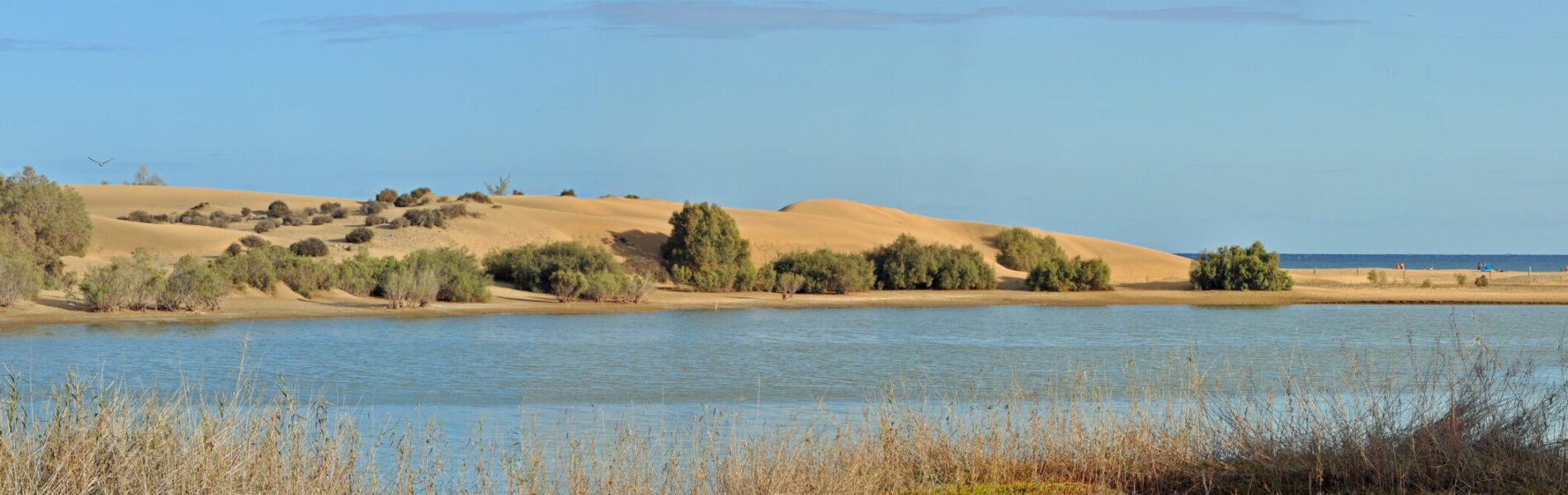
A shallow, reed‑fringed lagoon separating the Maspalomas dunes from the resort behind them, formed where seasonal watercourses meet the coast. Its brackish water and stands of rush and tamarisk make it one of the few wetland habitats on Gran Canaria’s arid southern coast, drawing waders and migratory birds against a backdrop of sand and ocean.
The Maspalomas lagoon (Charca de Maspalomas) sits at the southern tip of Gran Canaria, tucked between the great dune field and the built‑up seafront of Maspalomas. It forms where groundwater seeps through the sand and where runoff from the barrancos reaches the coast during rare bouts of rain, giving the lagoon a brackish, shifting character rather than a fixed shoreline.
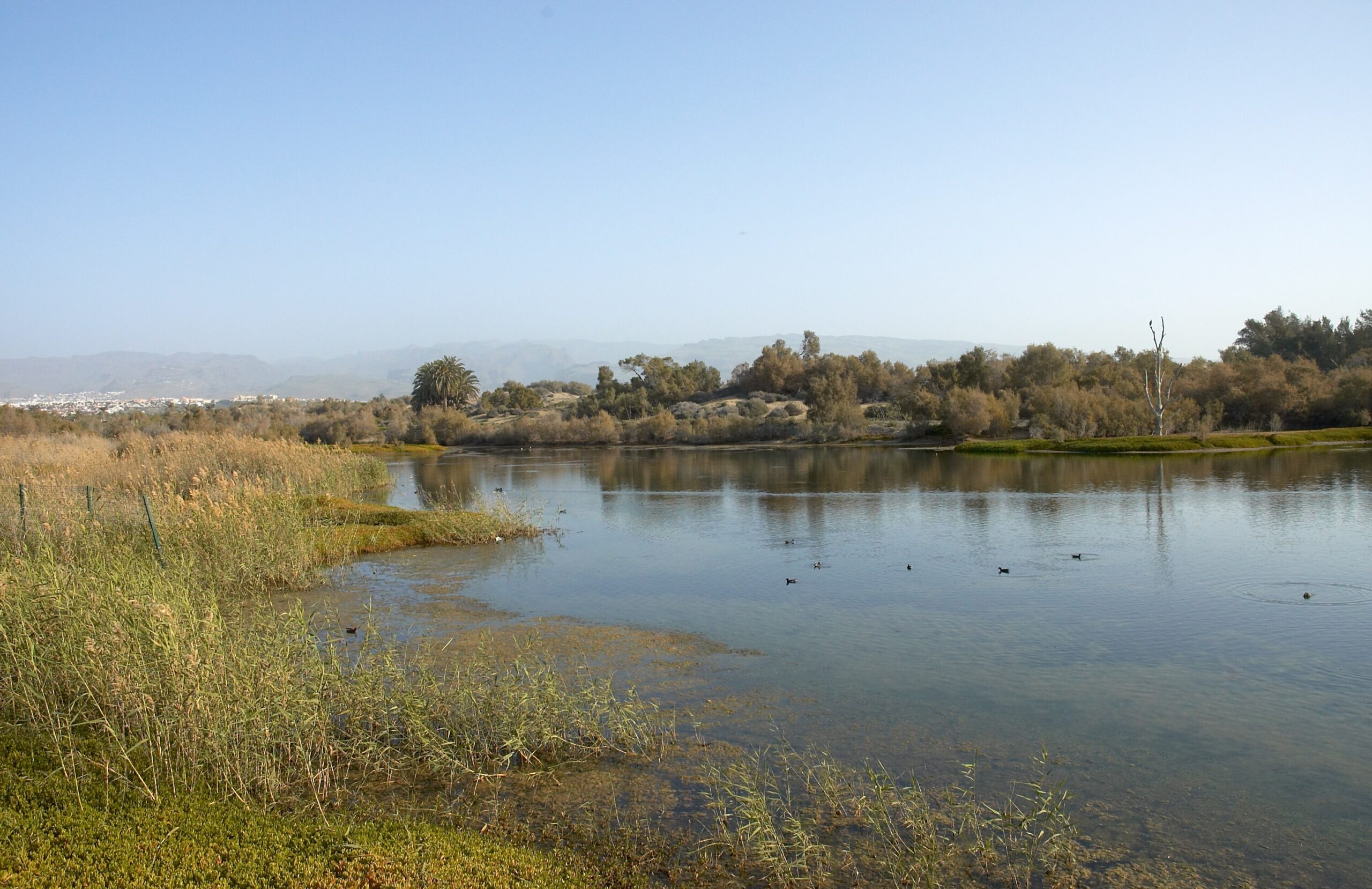
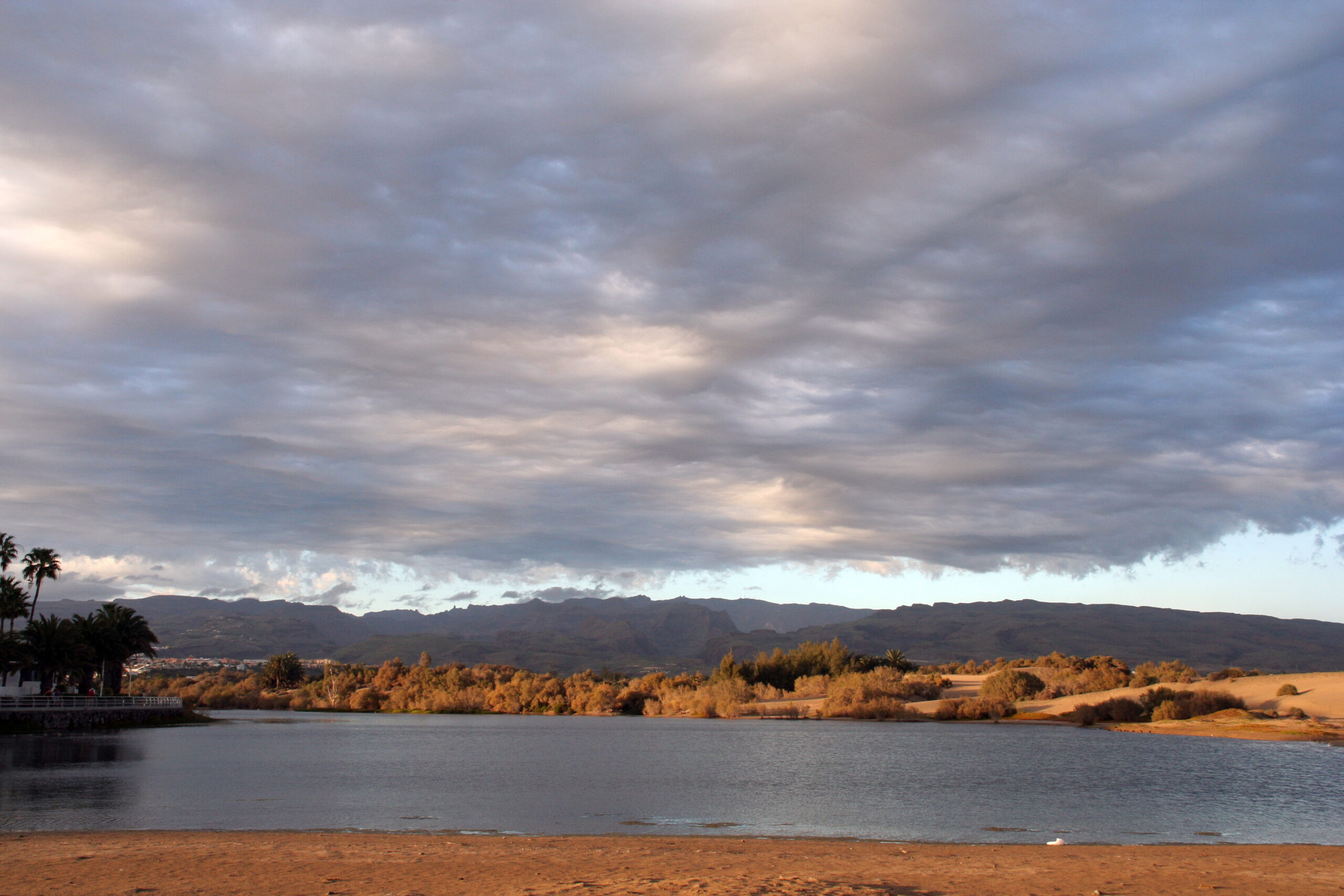
Reed beds, rushes and stands of tamarisk fringe its margins, a sharp contrast to the bare, wind‑shaped dunes rising immediately behind. This band of vegetation is what makes the site ecologically distinct: in an area otherwise defined by sun, sand and low scrub, the lagoon offers standing water and cover — conditions scarce along this stretch of coast.
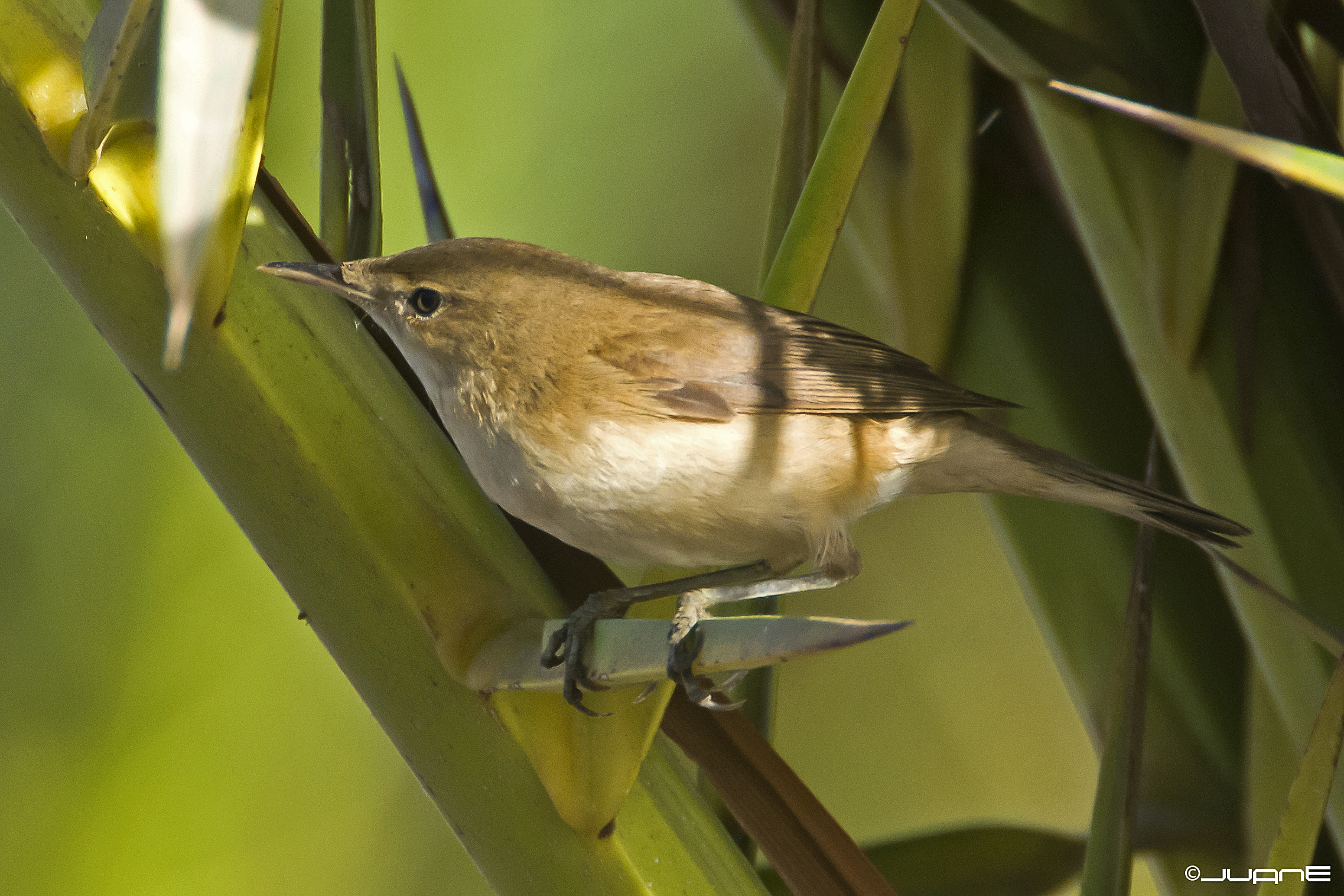
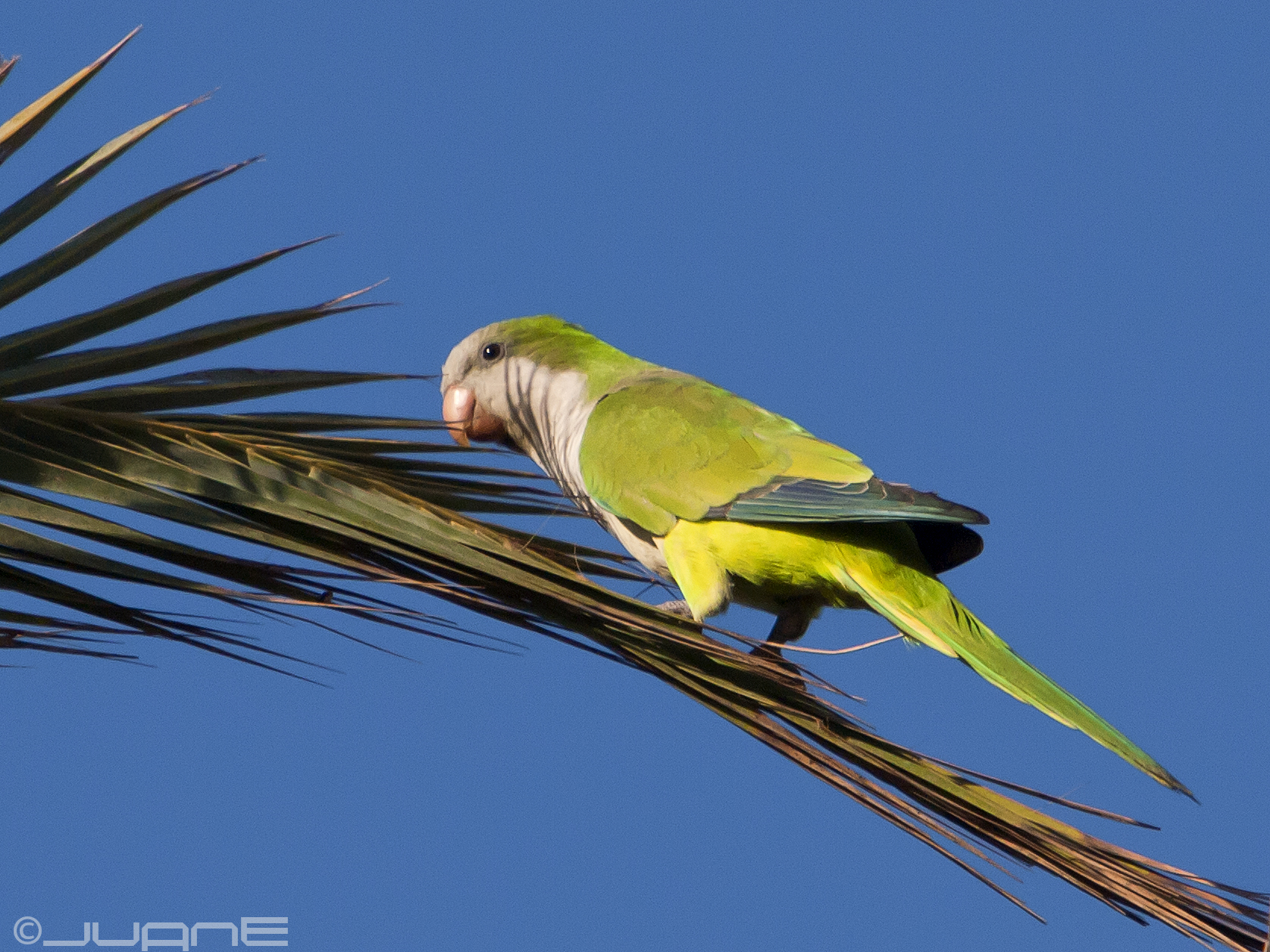
Those conditions make it a stopping point for herons, waders and other birds moving along the Atlantic migratory routes, some resident, many passing through on longer journeys between Europe and Africa. Early morning and late afternoon tend to bring the most activity, when birds feed at the water’s edge away from the heat of the day.
The lagoon forms part of the wider protected dune system, and its position between resort and reserve means it can be reached easily on foot from the promenade. The dunes themselves act as a natural barrier between the water and the open Atlantic beyond, giving the lagoon a sheltered, quietly atmospheric feel despite its proximity to one of Gran Canaria’s busiest coastal areas.
🏛 Similar places
📍 Nearby to explore
🌿 Worth a detour


🏨 Hotels nearby
No hotels found.