Majona Natural Park
La Gomera’s Rugged North‑East Ravines
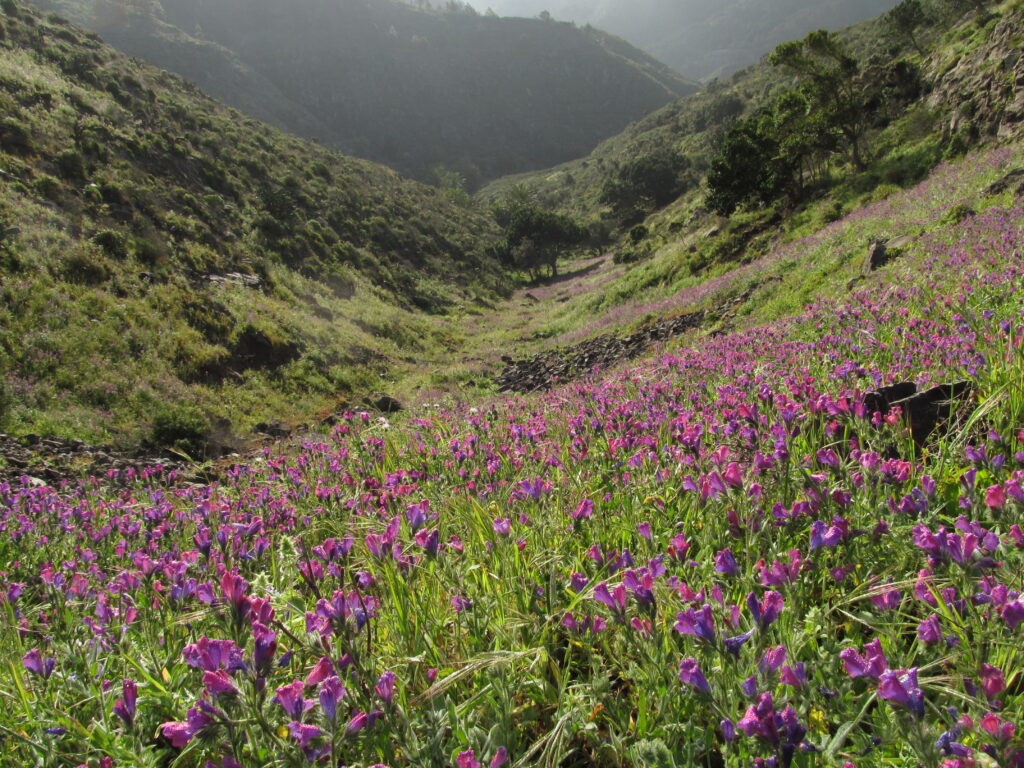
Majona Natural Park protects a rugged stretch of La Gomera’s northeast coast, where steep ravines, volcanic walls and wind‑shaped vegetation form one of the island’s wildest landscapes. Its isolation and exposure to the trade winds give the area a raw, elemental character.
Majona Natural Park occupies a remote corner of La Gomera’s northeast, a landscape defined by steep ravines, volcanic escarpments and constant exposure to the trade winds. The terrain here is harsher and more open than the laurel forests of the central massif, shaped instead by erosion, sparse vegetation and the Atlantic weather that sweeps across this side of the island.
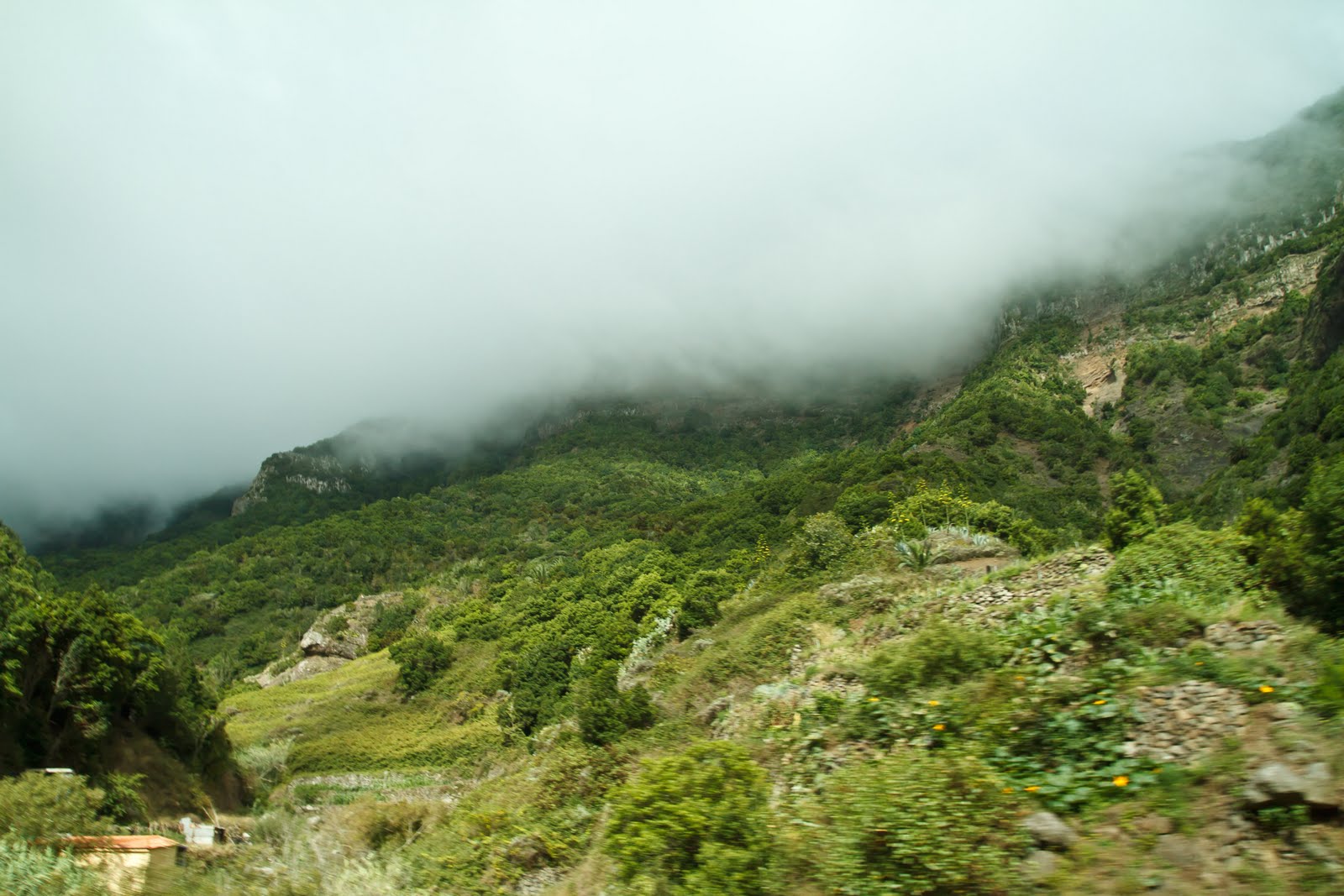
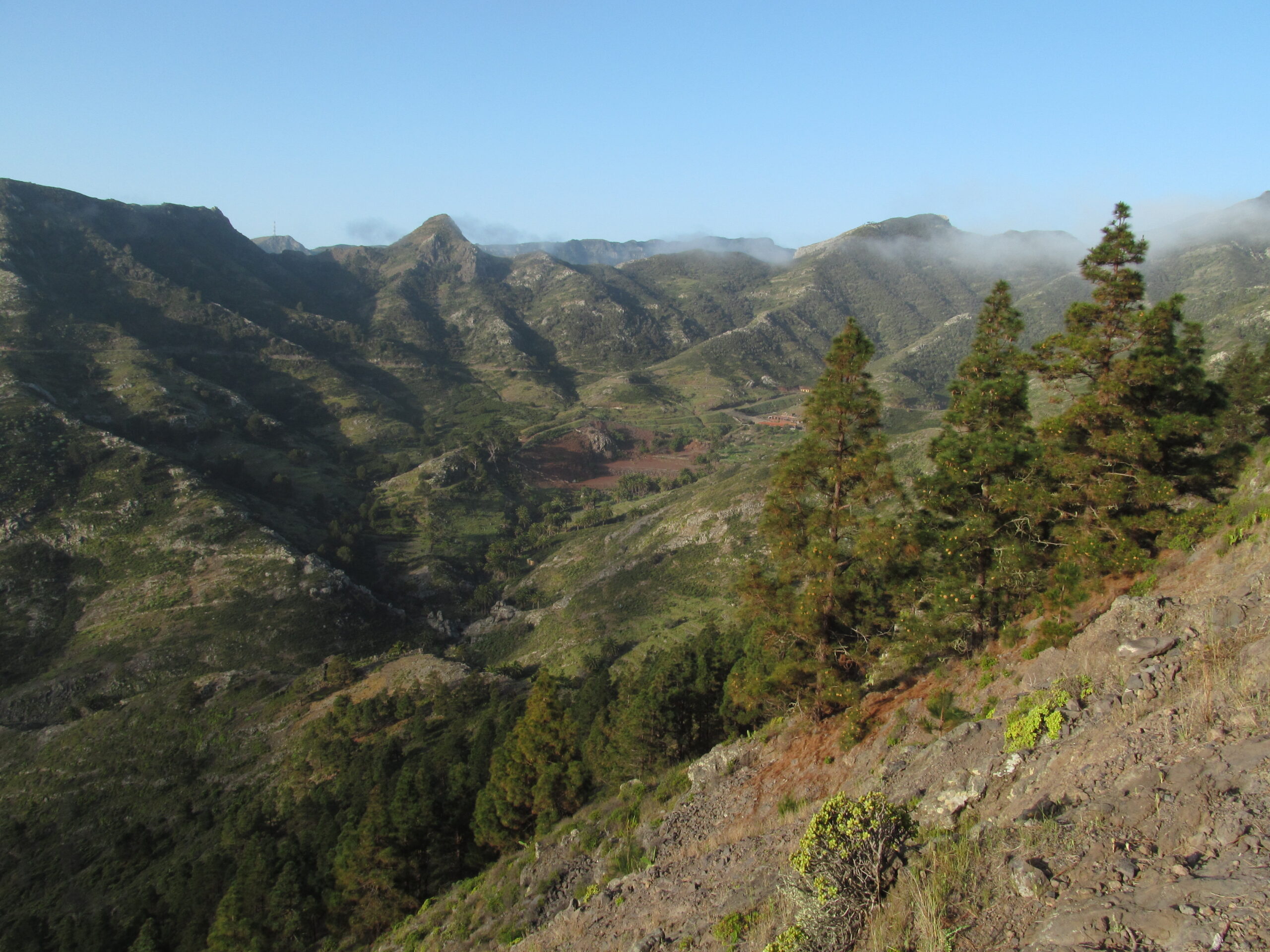
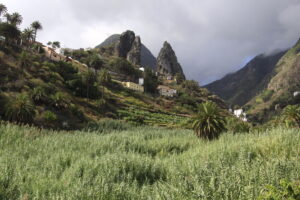
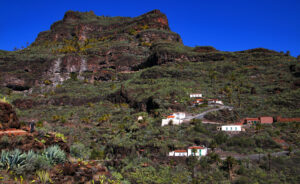
The park’s ravines cut sharply toward the sea, forming deep channels lined with basalt walls and scrub-covered slopes. These barrancos reveal the island’s volcanic structure clearly, exposing layers of rock that have been carved by centuries of runoff and wind. The vegetation is adapted to the dry, windy conditions: low shrubs, hardy grasses and isolated palms clinging to pockets of moisture.
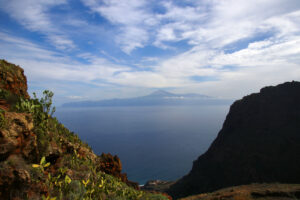
Majona’s isolation is part of its appeal. There are no large settlements within the protected area, and access is limited to rough tracks and footpaths that cross the ravines. The sense of openness is striking — wide views toward the Atlantic, shifting cloud along the upper ridges and a constant reminder of the island’s exposure to the elements.
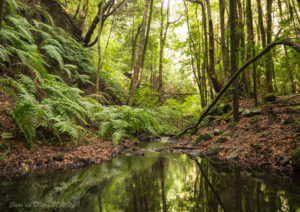
Looking inland, the terrain rises toward the higher volcanic slopes that lead to Garajonay National Park. Outward, the coastline is rugged and largely untouched, with cliffs and rock shelves dominating the shore. The contrast between Majona’s raw, wind-shaped landscape and the greener interior highlights the island’s sharp climatic gradients.
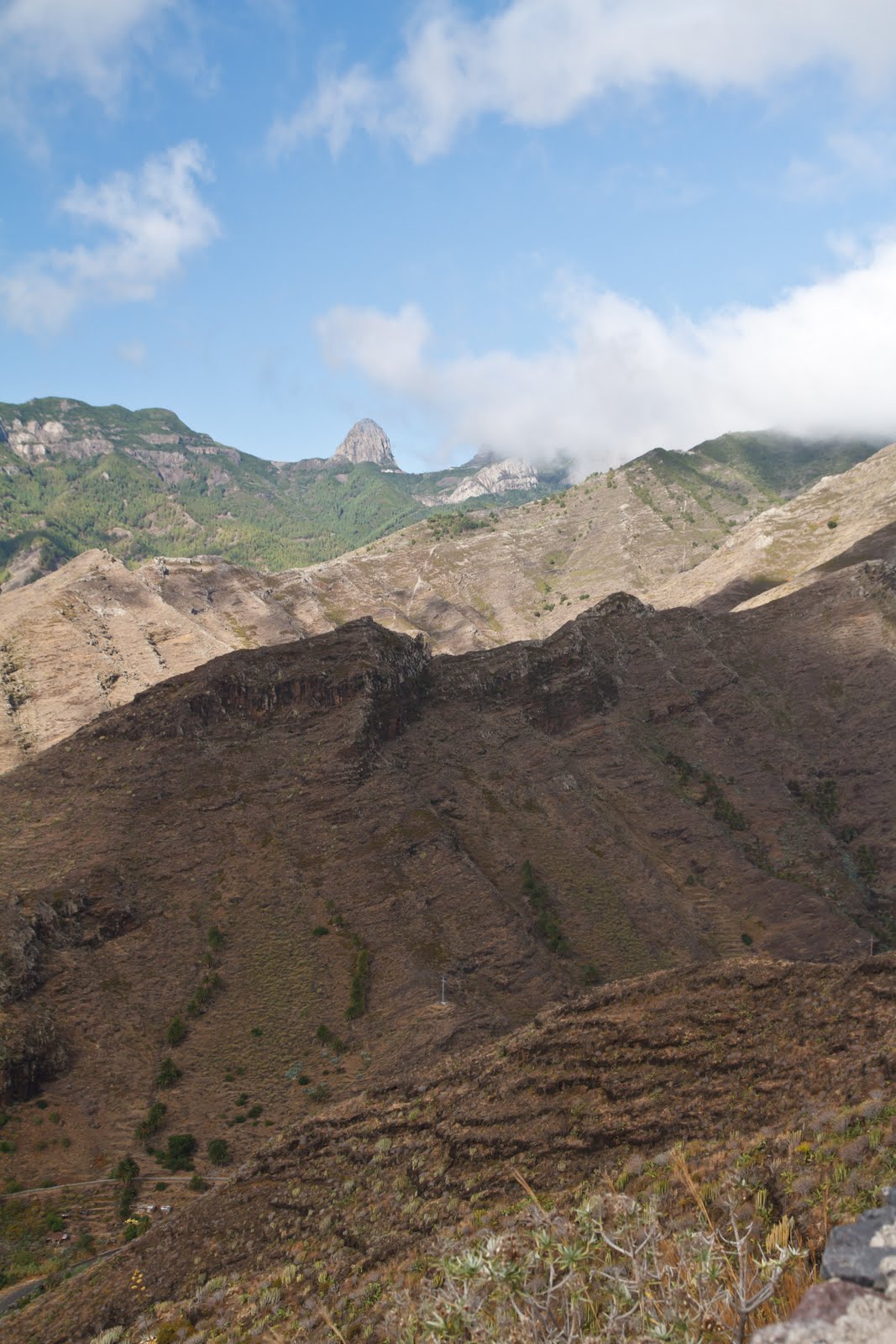
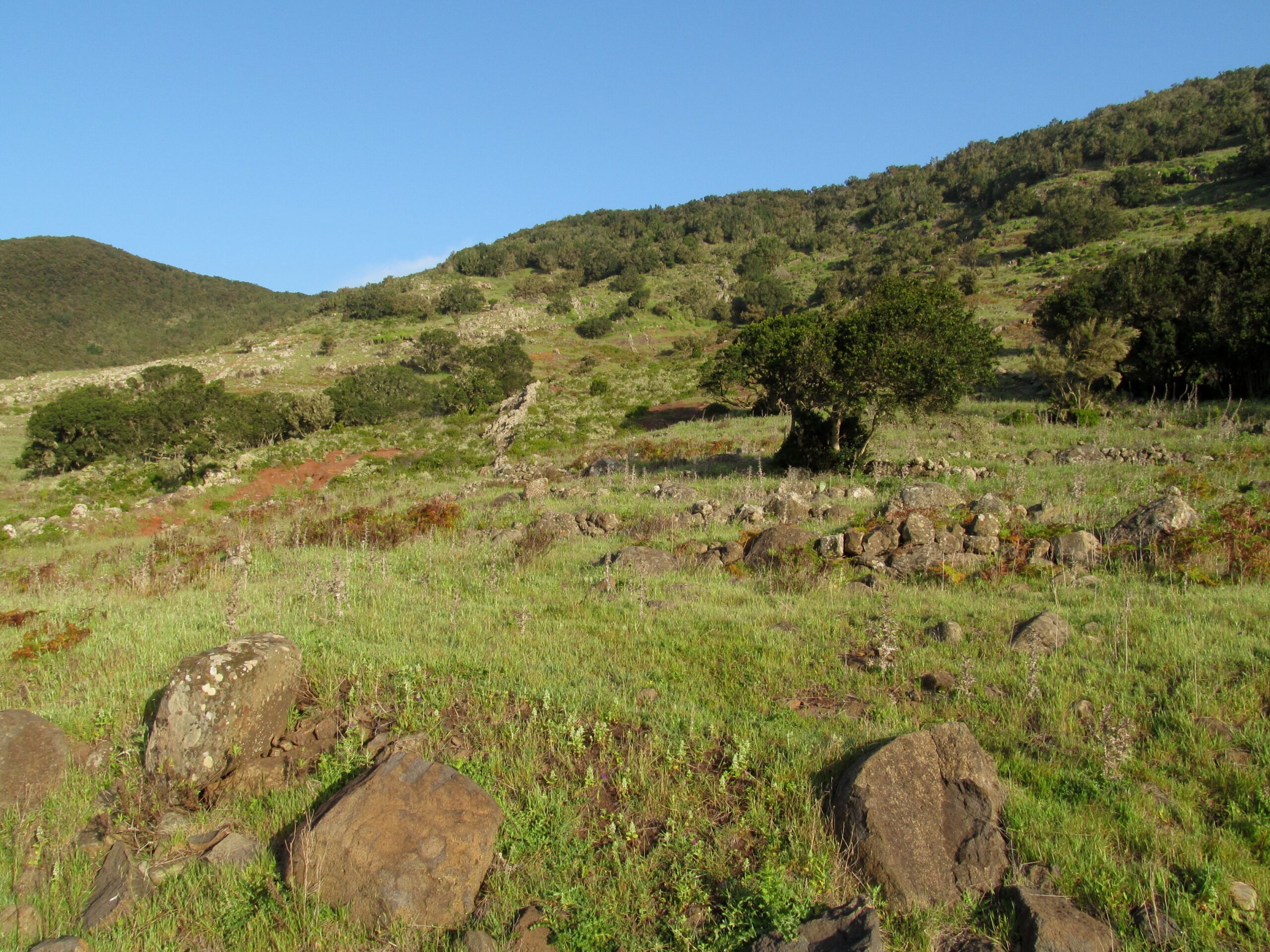
Majona Natural Park remains one of La Gomera’s least altered natural areas — a place where geology, wind and isolation define the experience more than any single viewpoint or landmark.