Garajonay National Park
La Gomera's Cloud-Fed Laurel Forest
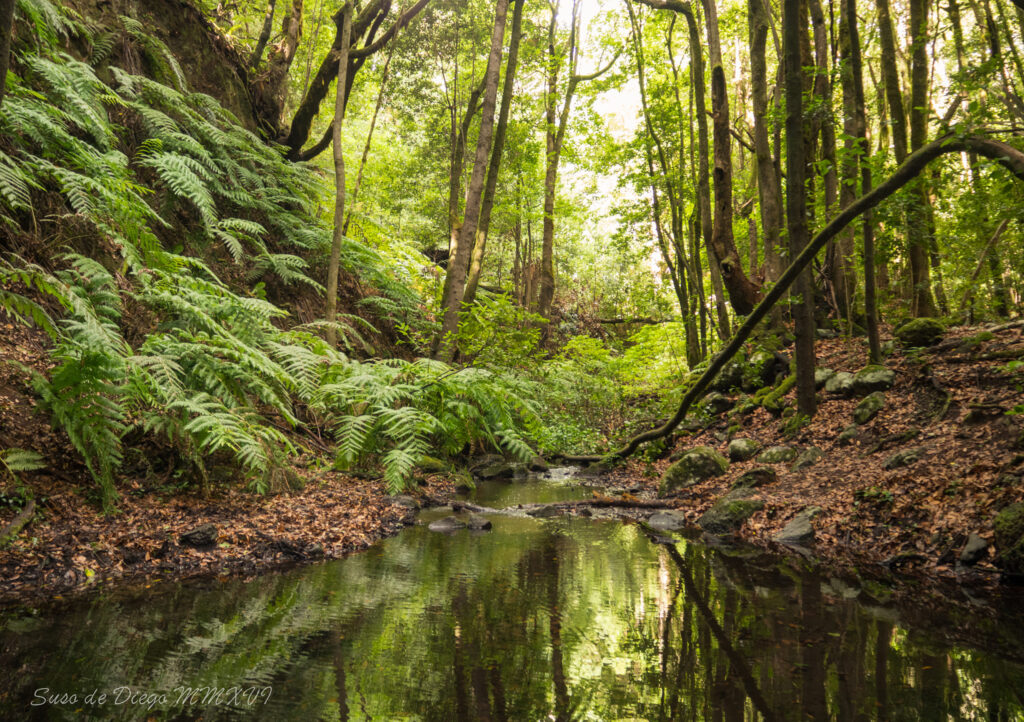
Garajonay National Park occupies the misted uplands at the centre of La Gomera, where ancient laurel forest thrives on moisture drawn from the trade winds. Paths descend through this cloud forest toward Valle Gran Rey, linking dense, dripping woodland to the island's drier southwestern slopes.
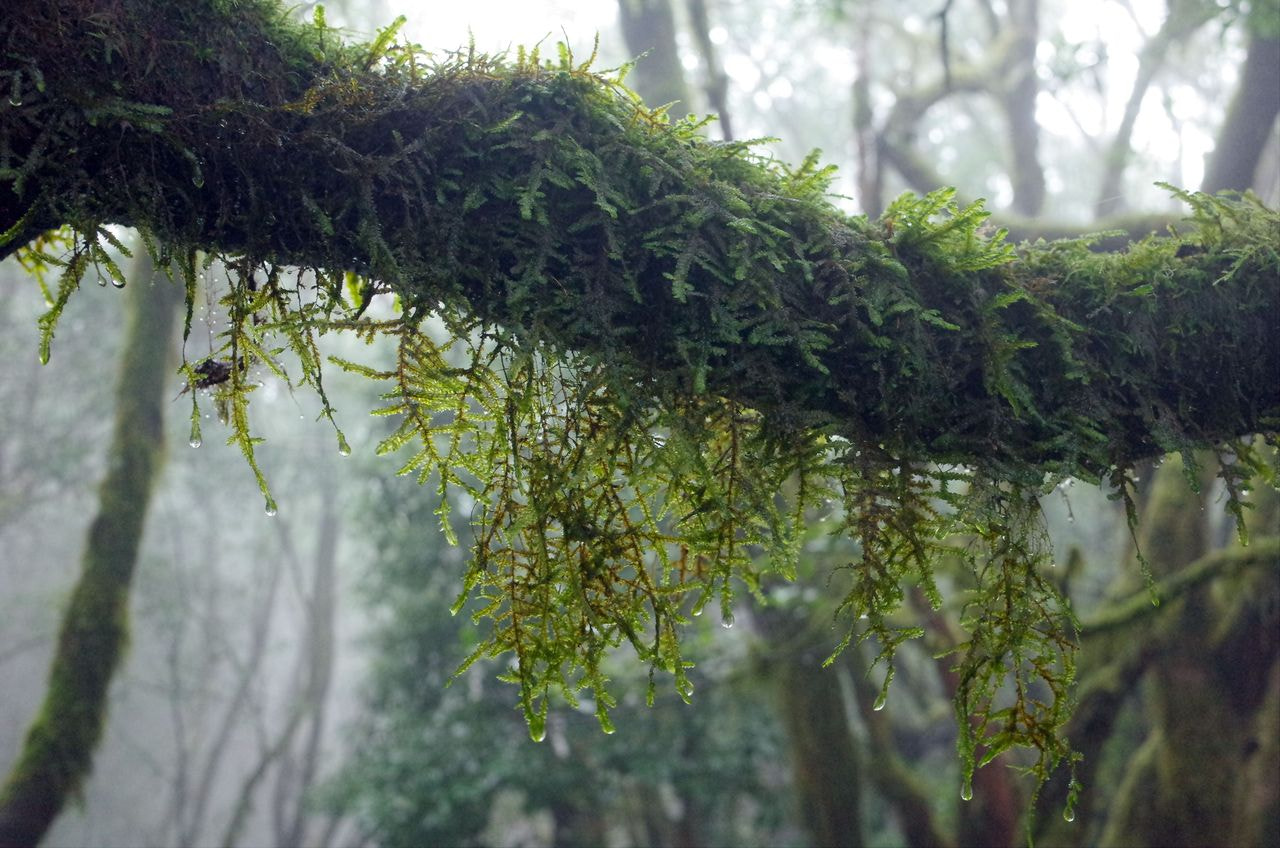
La Gomera‘s interior rises into a plateau of ravines and rounded summits, and it is here, where the northeast trade winds meet high ground, that a belt of permanent cloud settles against the mountainside. Garajonay National Park occupies this zone, its laurel forest fed not by rainfall alone but by moisture condensing directly onto leaves and moss, a process that keeps the woodland damp and green through the driest months of the year.
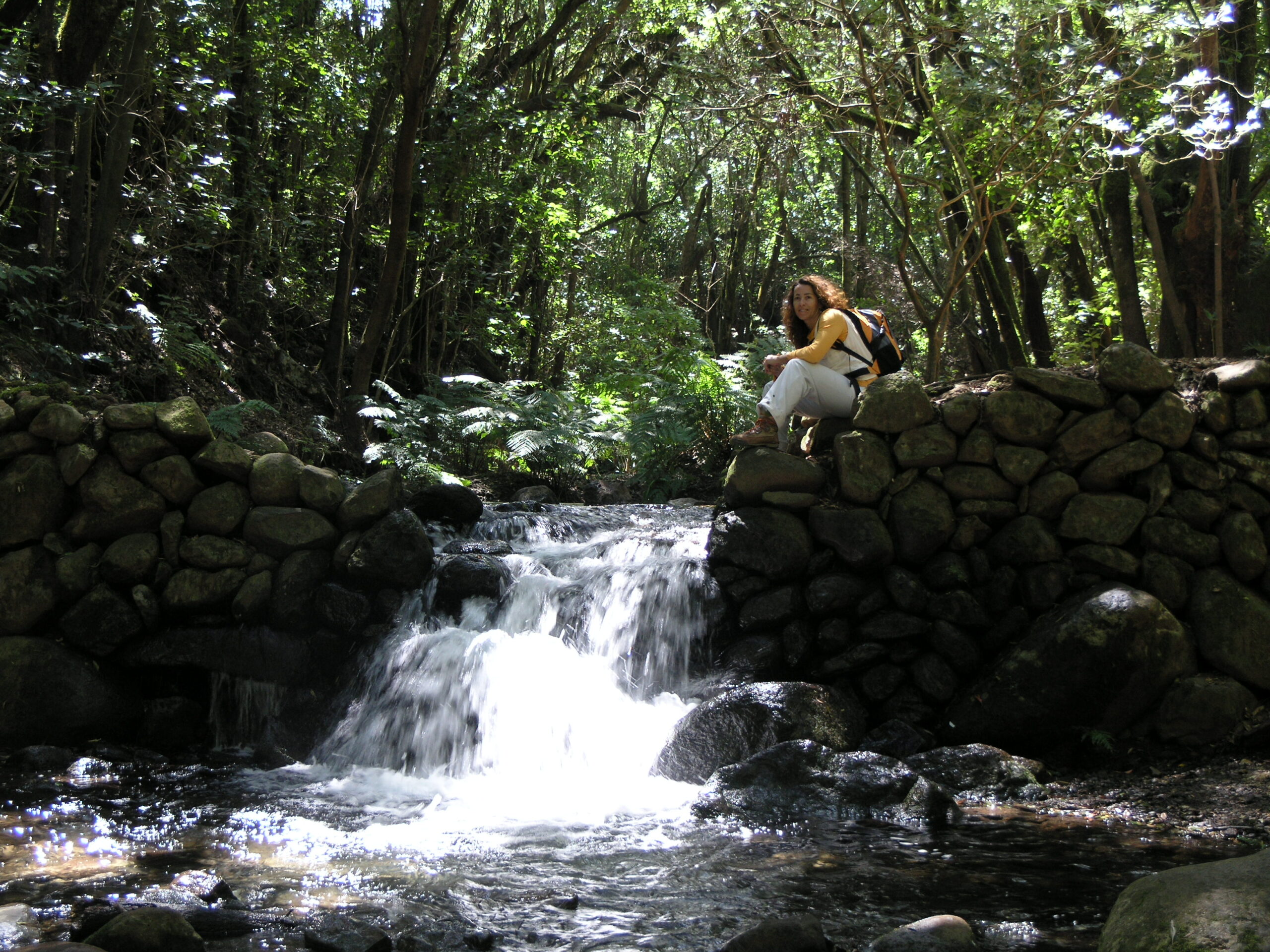
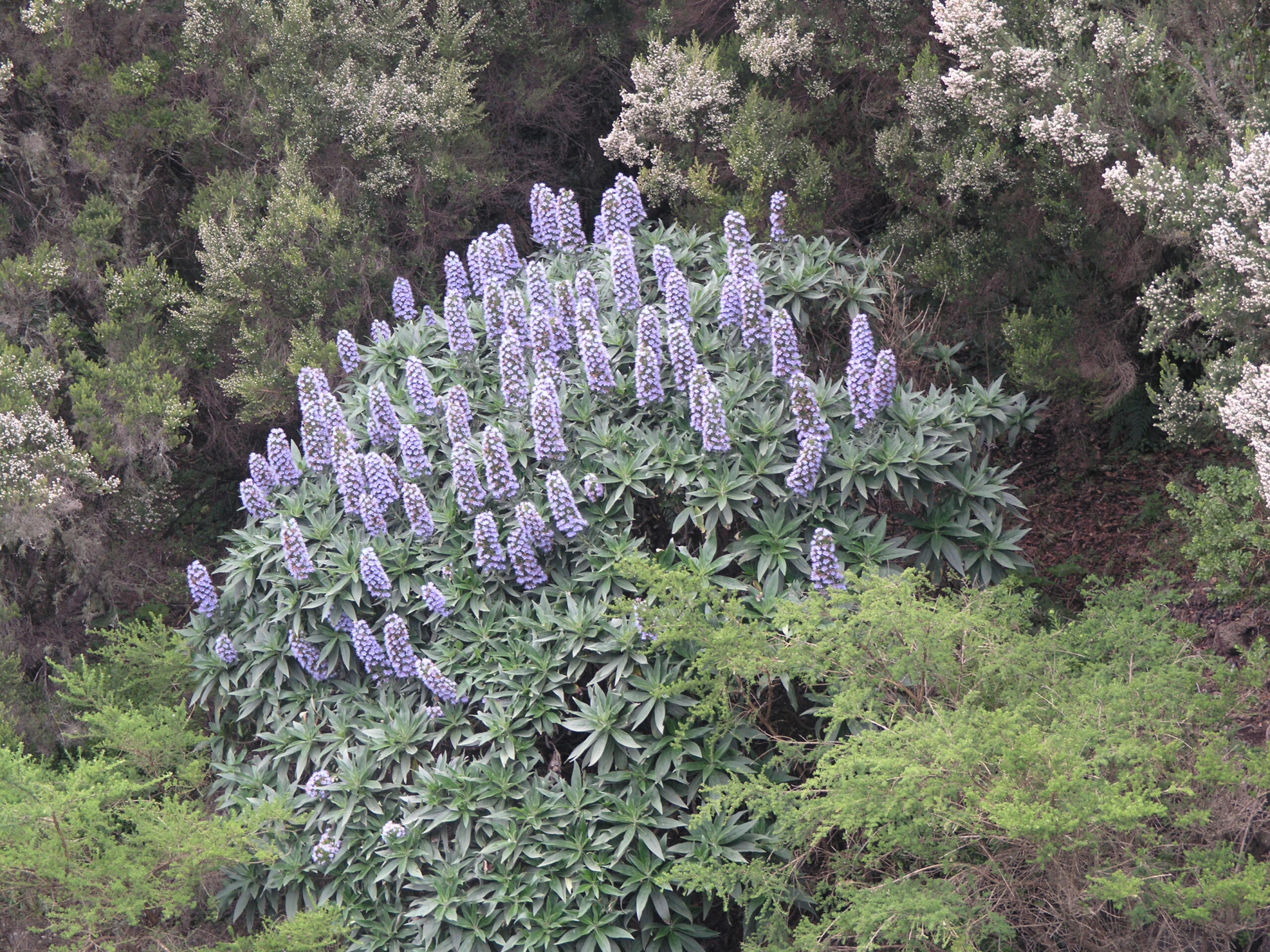
The forest itself is a survivor of a much older Europe, a type of woodland that once covered much of the Mediterranean basin before the climate shifted and left only these Atlantic islands with the conditions to sustain it. Laurel, heather grown to tree size, and viñátigo crowd together beneath a near-constant canopy of mist, their trunks thick with lichen and their branches muffling sound so that the forest feels enclosed even where paths open onto view over the ravines below.
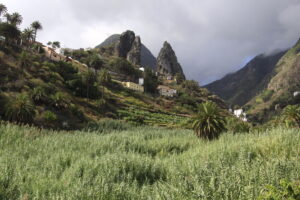
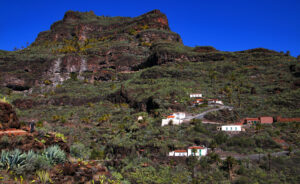
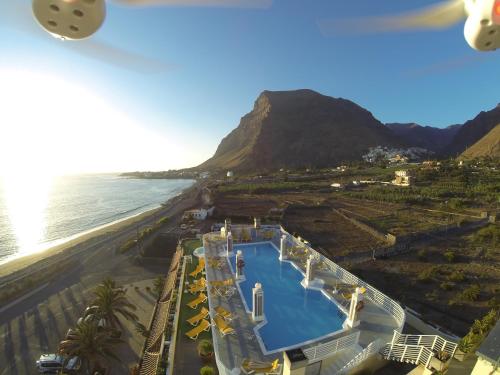
From Valle Gran Rey, on the island’s southwestern flank, tracks climb out of the dry, terraced valley and into this cooler, wetter world, the change in vegetation marking the shift from coastal scrub to cloud forest within the space of a short ascent. Walkers moving between the two zones pass through a compressed sequence of microclimates, from cactus and palm near the coast to moss-hung laurel a few hundred metres higher.
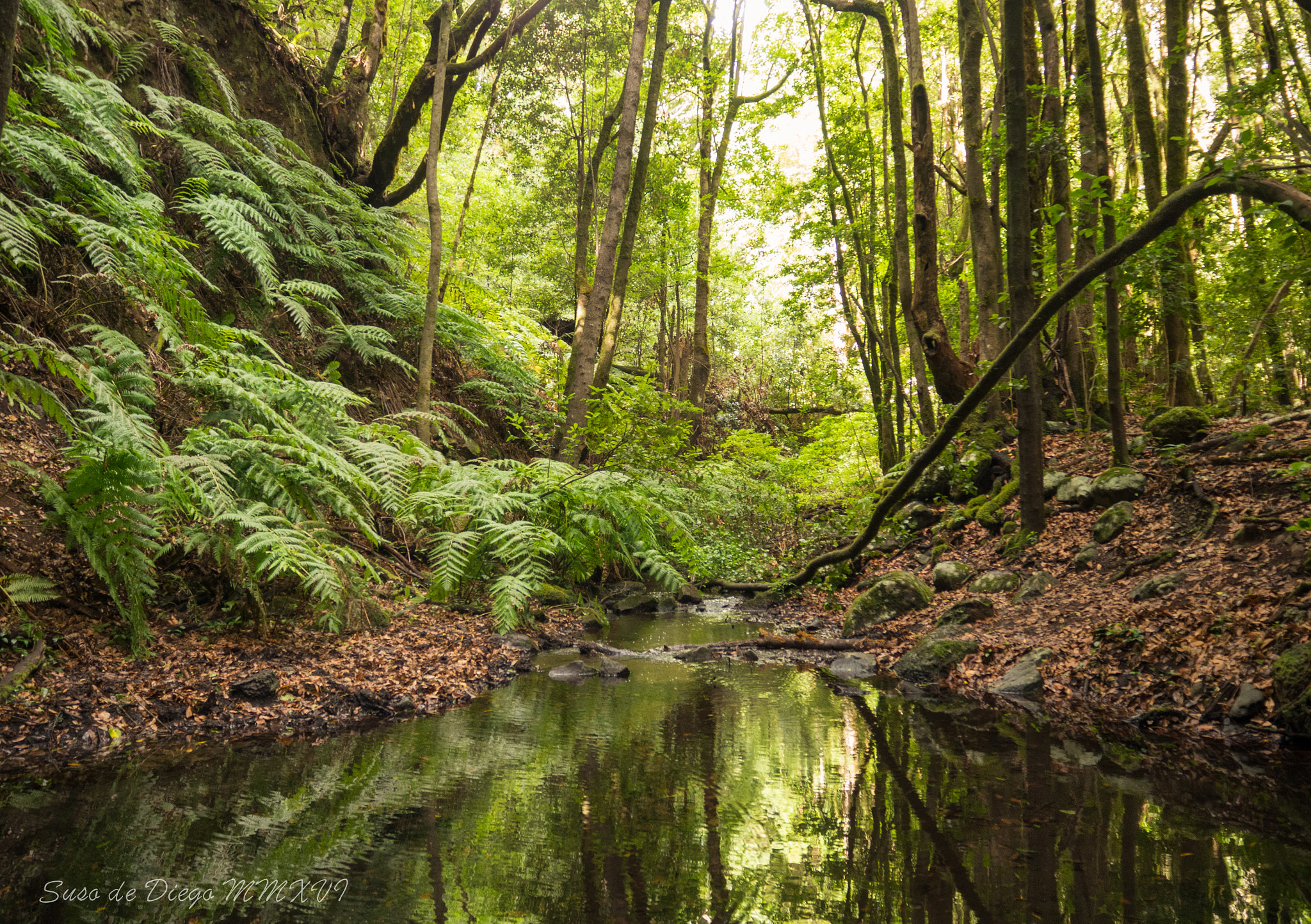
Waymarked routes cross the park in several directions, following old paths that once connected villages on opposite sides of the island long before roads were cut through the terrain. Many of these are still the most direct way to reach settlements around Valle Gran Rey on foot, making the park as much a working link between communities as a protected wilderness.