Santa Cruz Old Town
Wooden Balconies Above a Volcanic Harbour
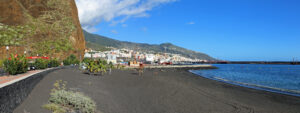
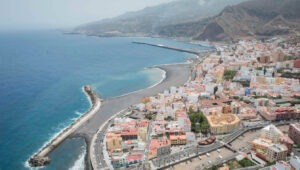
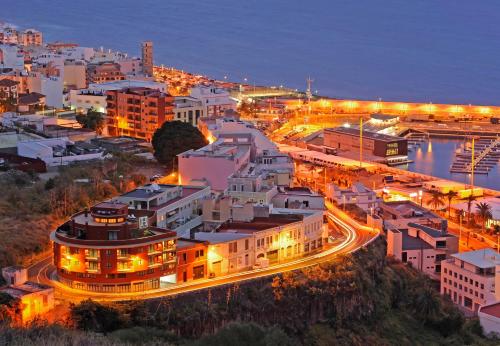
Santa Cruz Old Town occupies a narrow coastal terrace between steep volcanic slopes and the Atlantic, forming one of the Canary Islands’ best-preserved colonial quarters. Wooden balconies, cobbled streets and harbour-facing façades define this compact historic district.
Santa Cruz de La Palma grew along a thin coastal terrace hemmed in by the steep, forested slopes of the island’s volcanic rim, leaving little room for the town to expand inland. The old quarter developed as a tight ribbon of cobbled streets running parallel to the water, lined with tall, close-set houses rather than the broad plazas found in flatter Canarian towns.
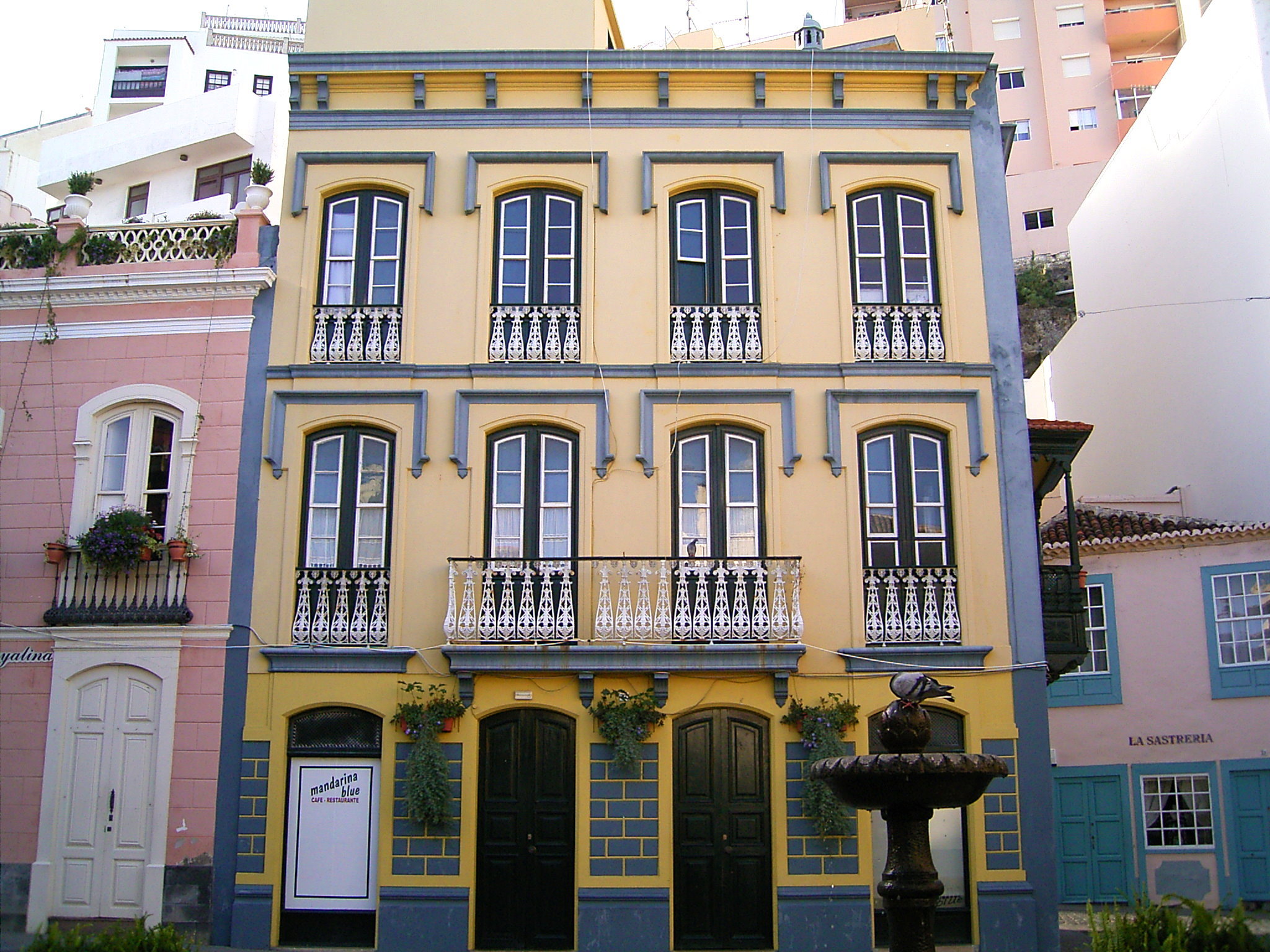
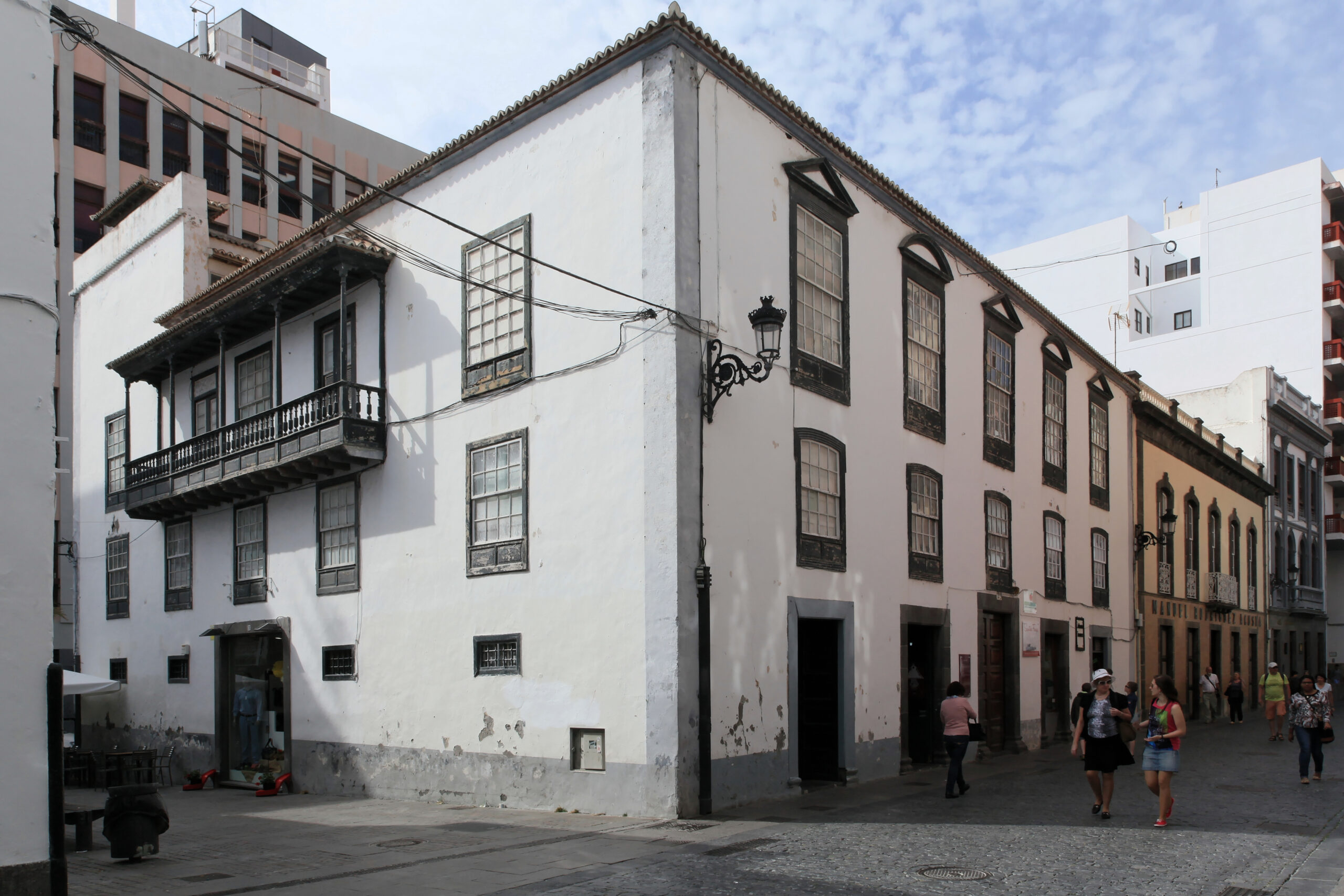
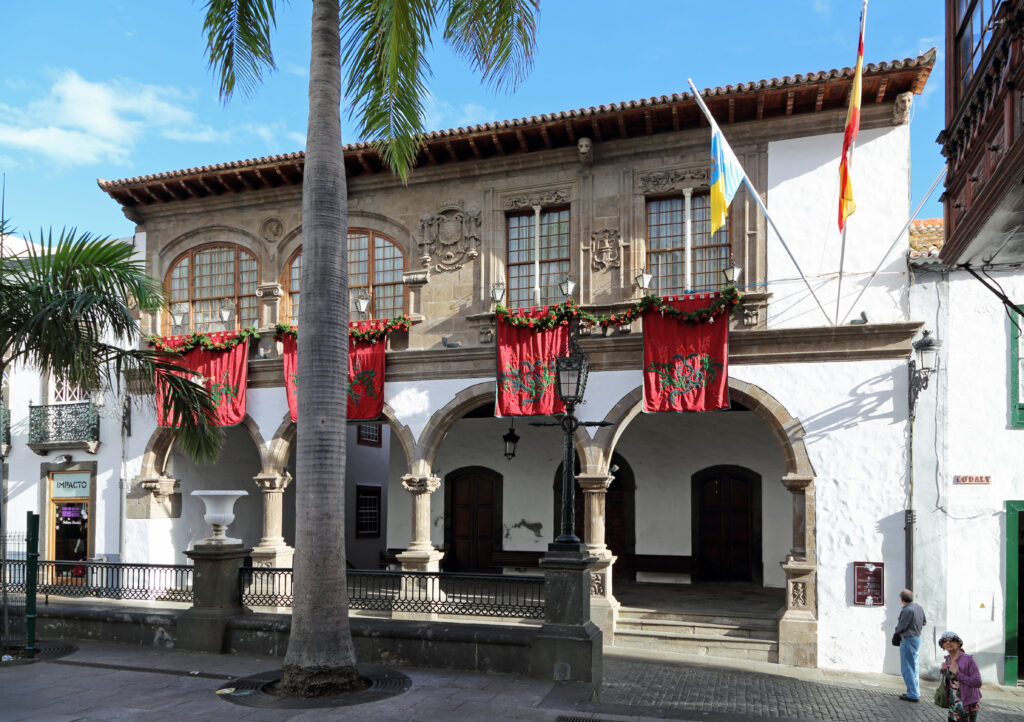
The defining feature of the district is its woodwork: tiered balconies, painted shutters and carved eaves projecting from merchants’ houses built during the era when the port served as a key stopover for ships crossing between Europe and the Americas. Facades in ochre, blue and white front directly onto the pavement, with the Atlantic often visible at the end of a side street or glimpsed between buildings along the seafront.
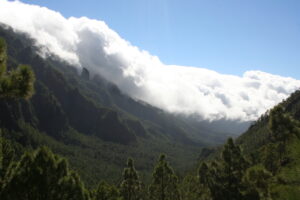
Behind the harbourfront, the streets rise gently toward the ravine that cuts through the town, and the compact grid gives way to steeper lanes and stepped alleys as the ground climbs toward the surrounding hills. Laurel-cloaked slopes and terraced smallholdings press close behind the rooftops, a reminder of how abruptly La Palma’s volcanic terrain rises away from its narrow coastal settlements.
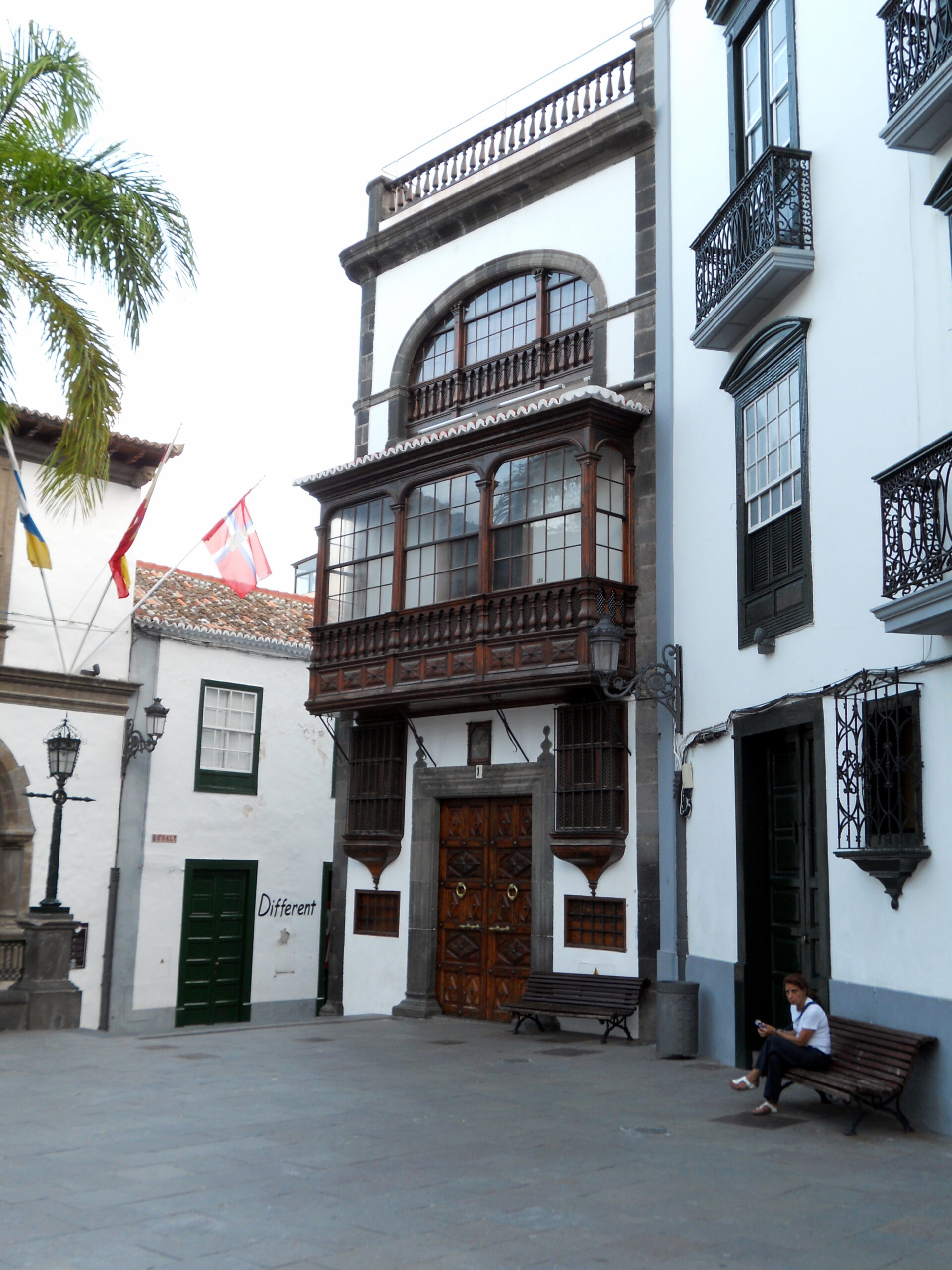
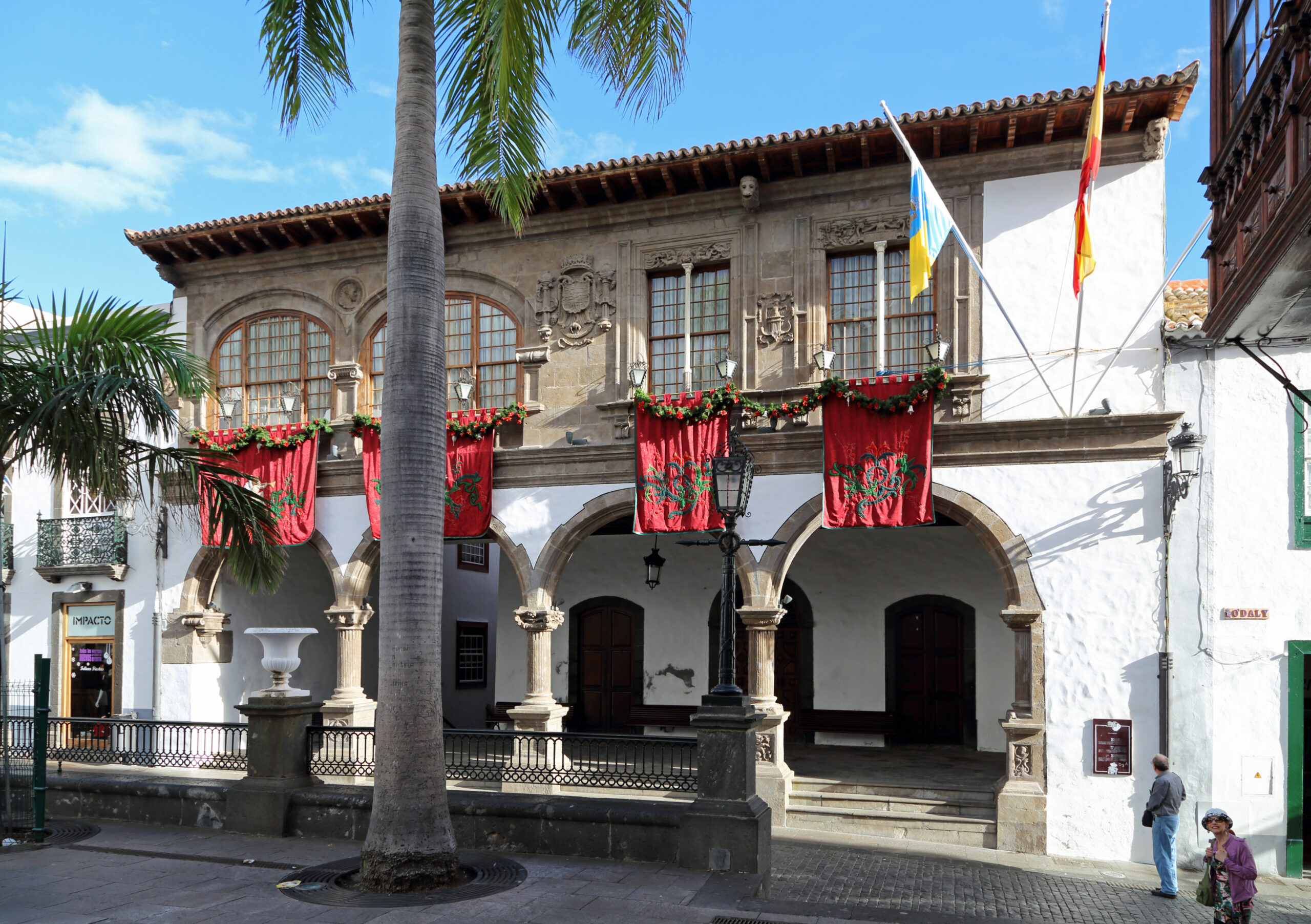
Walking the old town is largely a matter of following the coastline on foot, threading between the harbour side and the parallel inland street, with views opening intermittently to the sea on one side and the green, folded flank of the caldera on the other.