Santa Cruz Coast
Where La Palma’s Capital Meets the Atlantic
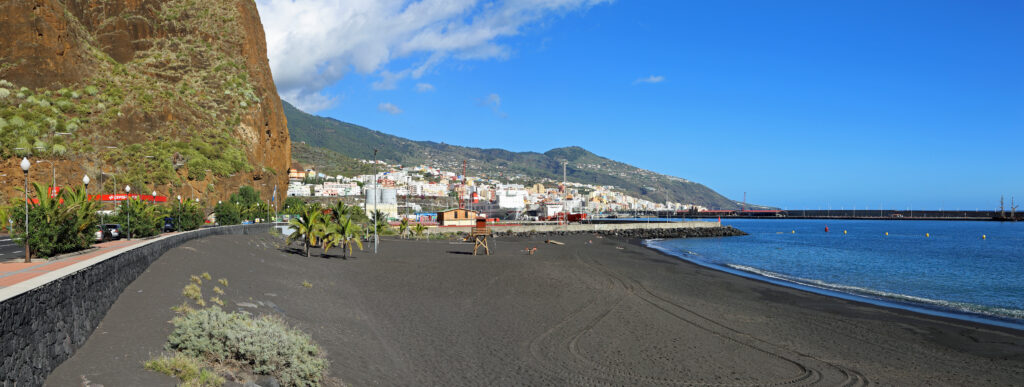
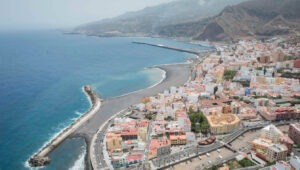
The coastline of Santa Cruz de La Palma is a narrow volcanic terrace pinned between steep green slopes and the open Atlantic. Shaped by trade winds, harbour life and centuries of maritime history, it forms the capital’s defining edge between mountain and sea.
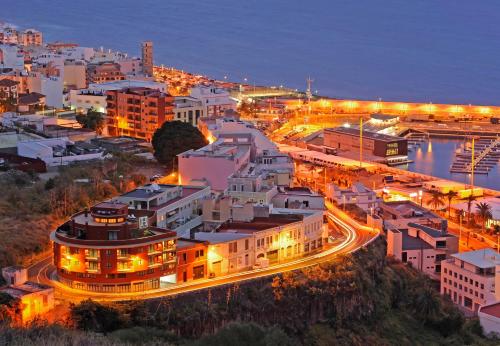
Santa Cruz de La Palma occupies one of the few stretches of the island’s eastern flank flat enough to build a town, a thin coastal terrace held between steep, forested slopes and the open Atlantic. The result is a capital that faces the sea directly, its old quarter rising in tiers from the shoreline rather than spreading inland, since inland here means climbing almost immediately into ravines and ridges leading toward the volcanic interior.
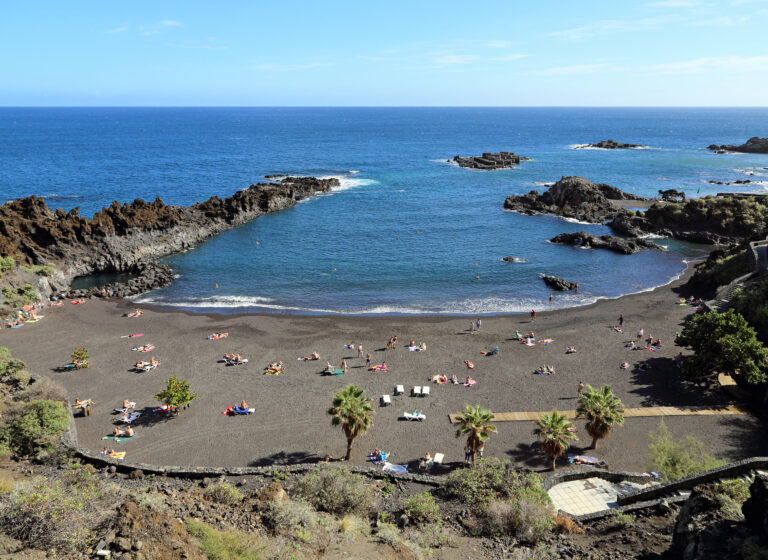
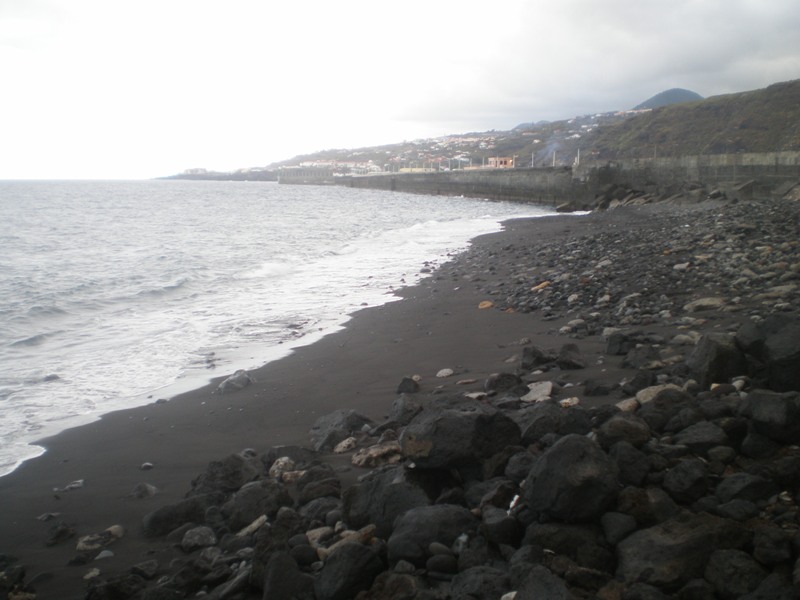
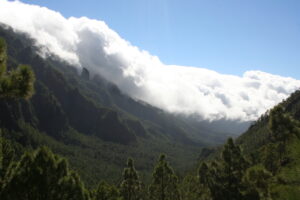
This eastern coast catches the brunt of the alisios — the moisture‑laden trade winds that sweep in from the northeast and bank cloud against La Palma’s mountains. The air along the Santa Cruz shoreline tends to be cooler and more humid than on the sheltered west coast, with cloud often clinging to the ridgeline behind the town while the seafront itself remains clear.
The shore is characteristically volcanic: dark rock, black shingle and bare basalt shaped by an ocean that rarely sits still, the swell arriving with little land to soften it before reaching the coast. It is a working shoreline as much as a scenic one, historically tied to the town’s role as a harbour and gateway for the island — a maritime identity still visible in the port, the waterfront streets and the constant presence of the sea.
Walking the coast road or the lower streets of Santa Cruz, the Atlantic is a constant companion, visible down nearly every cross‑street that drops from the historic centre toward the water. The sense of a town built right at the ocean’s edge beneath steep volcanic ground gives this coastline its distinctive character within La Palma.