The Canary Islands are home to some of Spain’s most distinctive wines, shaped by volcanic soils, steep terraces, trade winds and centuries of agricultural tradition. The archipelago’s Denominaciones de Origen (DO) highlight unique grape varieties and regional styles that reflect the islands’ dramatic landscapes.
Many vineyards grow on volcanic ash, basaltic rock or high‑altitude slopes, producing wines with mineral notes, bright acidity and expressive aromas. Several grape varieties are endemic to the islands, including Listán Negro, Listán Blanco, Negramoll and Malvasía Volcánica.
Tenerife — The Island of Five DO Regions
Tenerife is the most diverse wine island, with five separate DO regions:
- DO Abona — High‑altitude vineyards producing fresh whites and aromatic rosés.
- DO Valle de Güímar — Coastal and hillside wines with bright acidity.
- DO Tacoronte‑Acentejo — Known for expressive reds, especially Listán Negro.
- DO Ycoden‑Daute‑Isora — Volcanic whites and structured reds.
- DO Valle de La Orotava — Famous for its historic braided vine training system (cordón trenzado).
Gran Canaria — DO Gran Canaria
Gran Canaria’s wines come from small, scattered vineyards across the island. The DO highlights mineral‑driven whites, soft reds and traditional varieties grown in volcanic terrain.
Lanzarote — DO Lanzarote
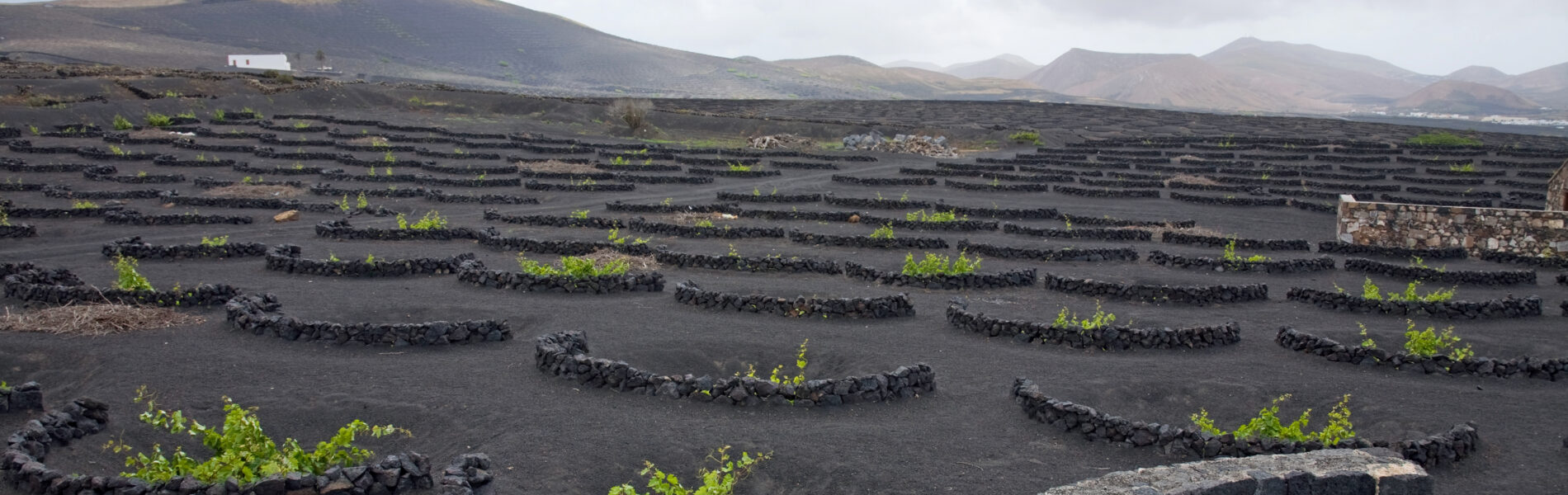
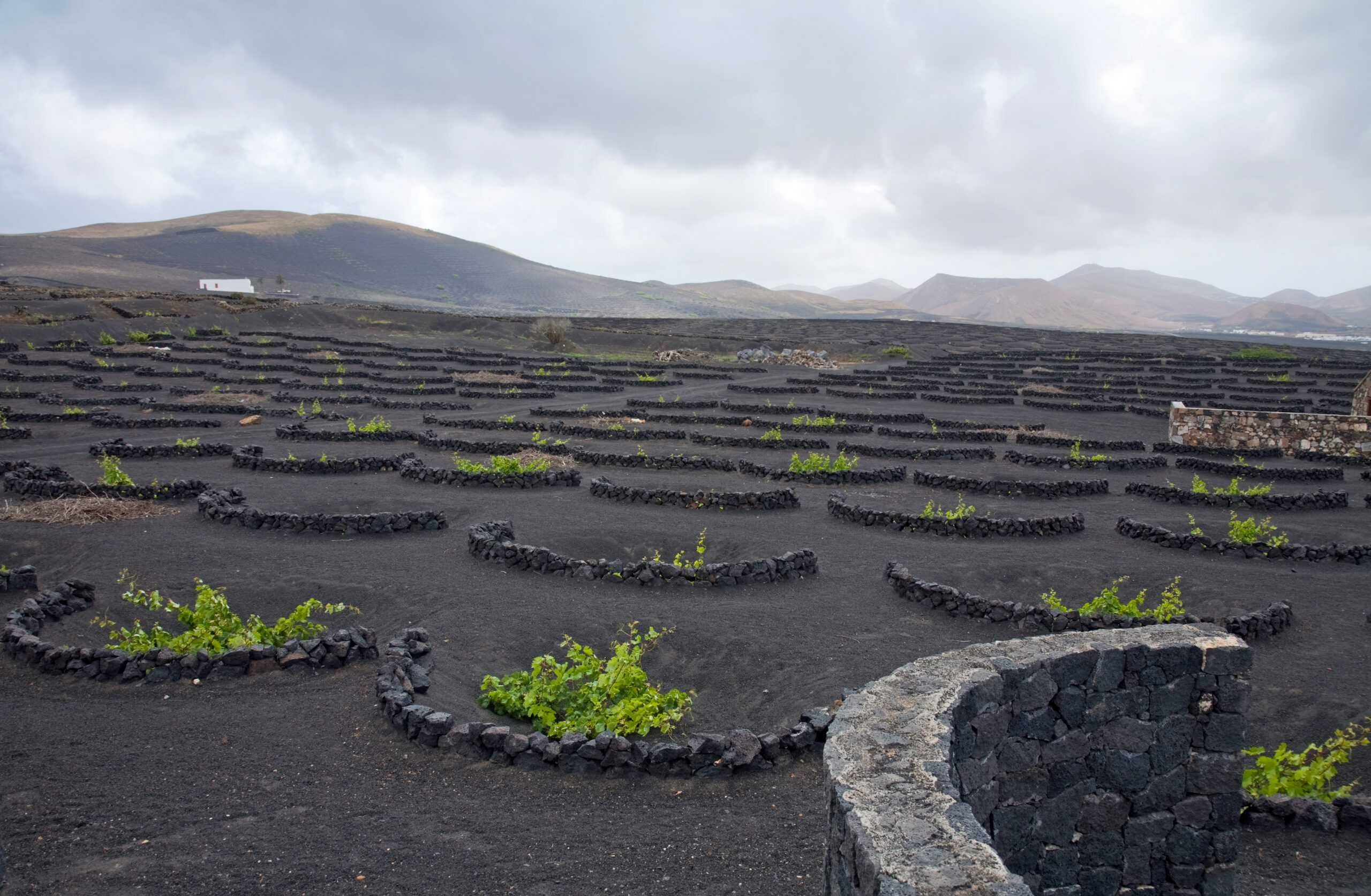
Lanzarote’s vineyards are among the most striking in the world. Grapevines grow in individual pits (zocos) dug into volcanic ash, protected by semicircular stone walls. The island is known for Malvasía Volcánica, producing aromatic, mineral whites.
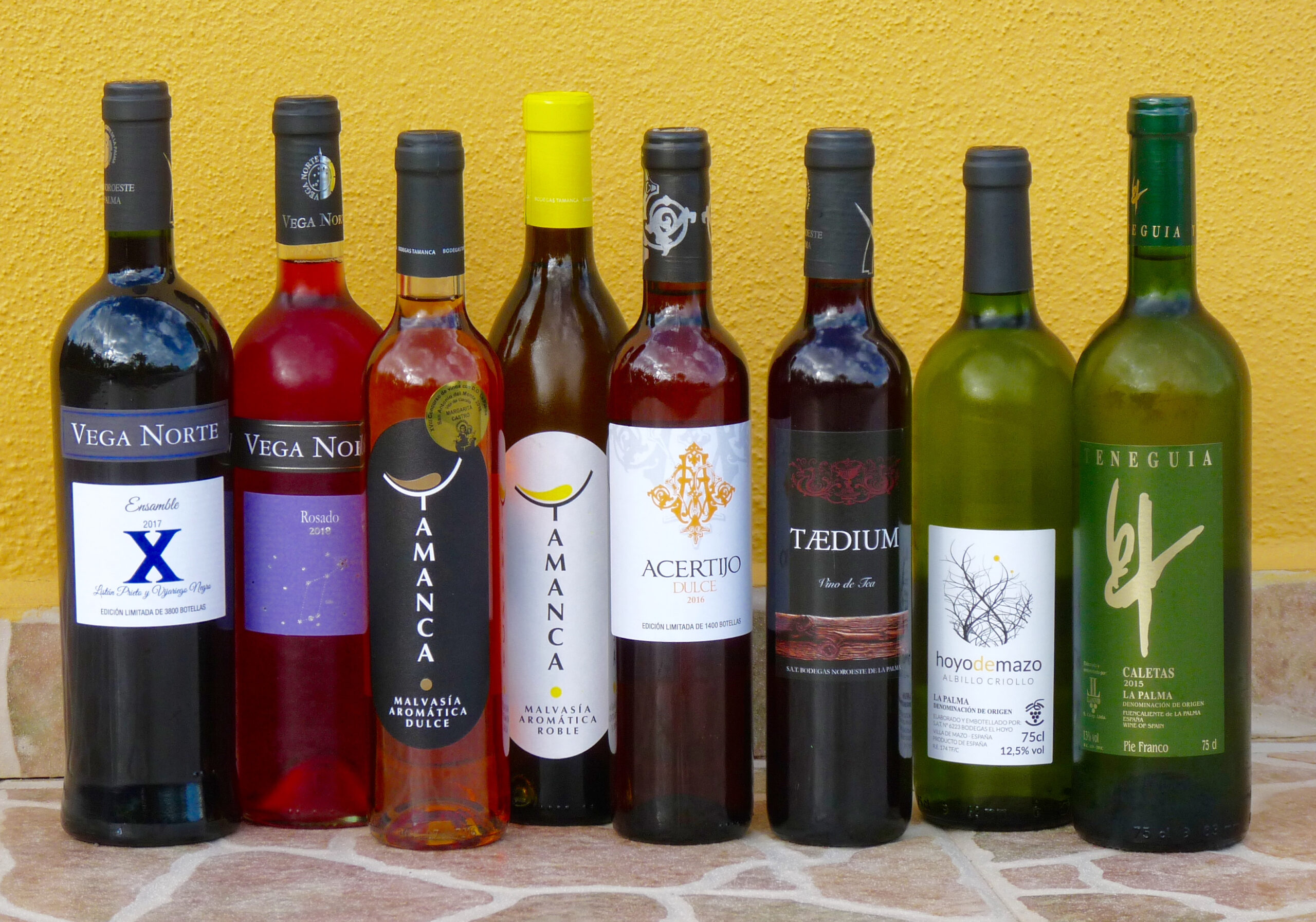
La Palma — DO La Palma
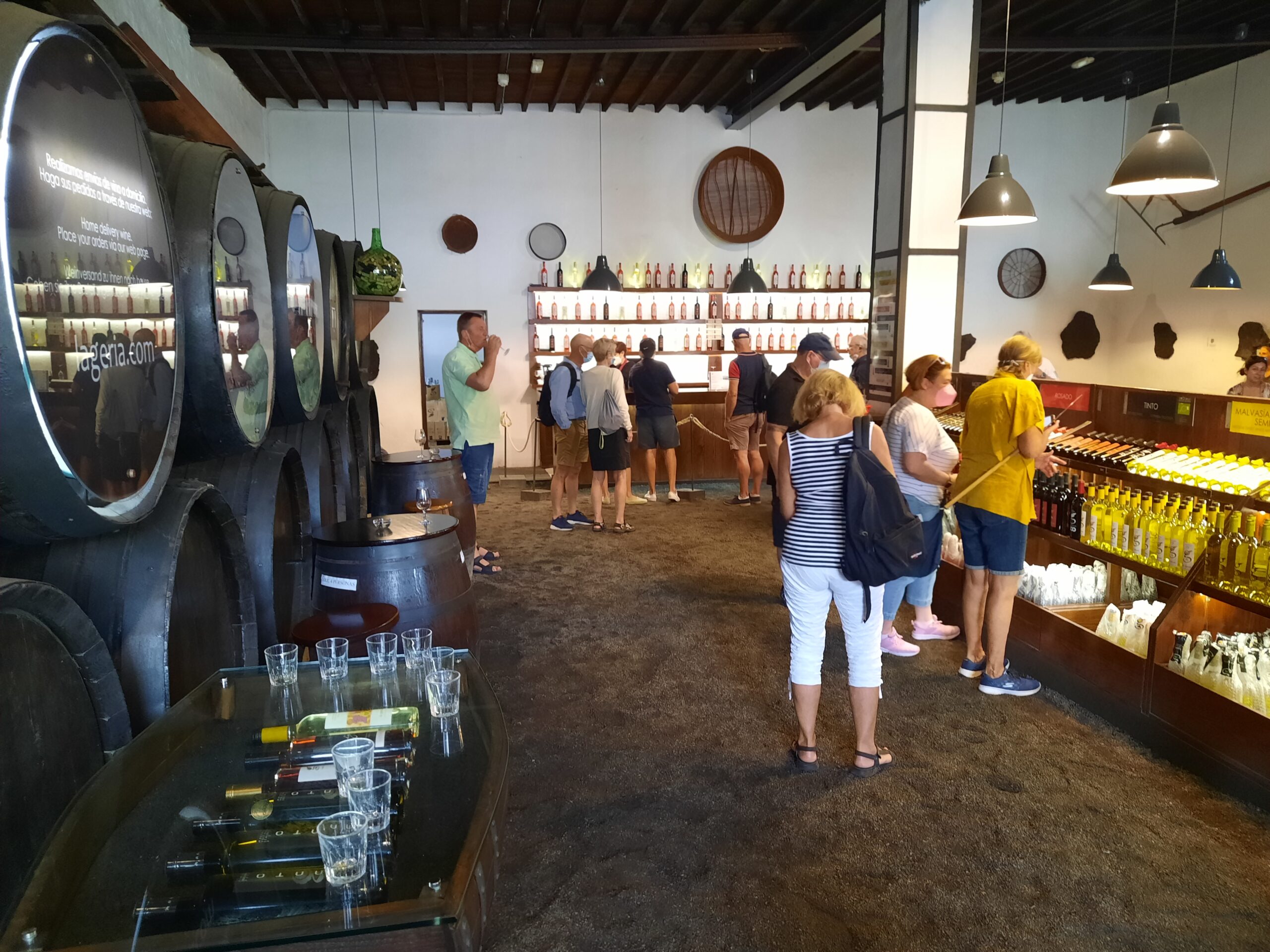
La Palma’s wines range from fresh whites to sweet Malvasía. High‑altitude vineyards and diverse microclimates create expressive, elegant styles.
El Hierro — DO El Hierro
El Hierro produces small quantities of wine with a strong sense of place — fresh whites, light reds and traditional varieties grown in remote, windswept landscapes.
Together, these DO regions showcase the archipelago’s wine identity: volcanic, Atlantic and deeply rooted in local tradition. For visitors exploring Canarian food culture, the wines offer a unique expression of the islands’ geology, climate and heritage.