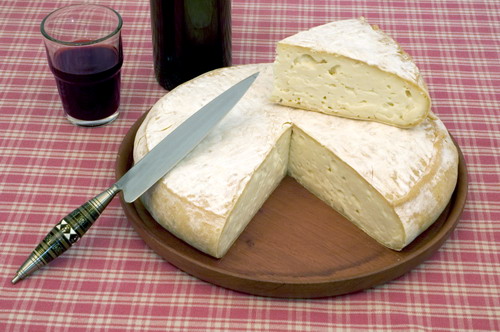
Queso de Flor, Media Flor and Curado represent one of Gran Canaria’s most distinctive cheese traditions — a trio of cheeses made using vegetable rennet extracted from thistle flowers. This method gives the cheeses their characteristic flavour, ranging from mild and creamy to sharp and aromatic.
Queso de Flor is the softest and most traditional version. Made with pure thistle rennet, it has a creamy interior and a slightly bitter note that reflects the plant’s natural enzymes. It is often enjoyed fresh, spread on bread or served alongside local honey and fruit.
Media Flor uses a blend of thistle rennet and animal rennet, resulting in a firmer texture and a more balanced flavour. It retains the floral, herbal character of the thistle while offering a milder profile that appeals to a wider range of tastes.
Curado is the aged version, matured for several months until it becomes firm, nutty and aromatic. The ageing process deepens the flavour, producing a cheese that pairs well with Canarian wines, cured meats and traditional breads.
All three cheeses are closely tied to the rural heritage of Gran Canaria, particularly the central highlands where small dairies continue to produce them using traditional methods. Their flavours reflect the island’s landscape, climate and agricultural history.
For visitors exploring Canarian food culture, Queso de Flor, Media Flor and Curado offer a unique taste of the archipelago’s cheese‑making tradition — a combination of craftsmanship, local ingredients and centuries‑old techniques.