Fuencaliente Lighthouse
Faro de Fuencaliente — Light at La Palma’s Volcanic Southern Tip
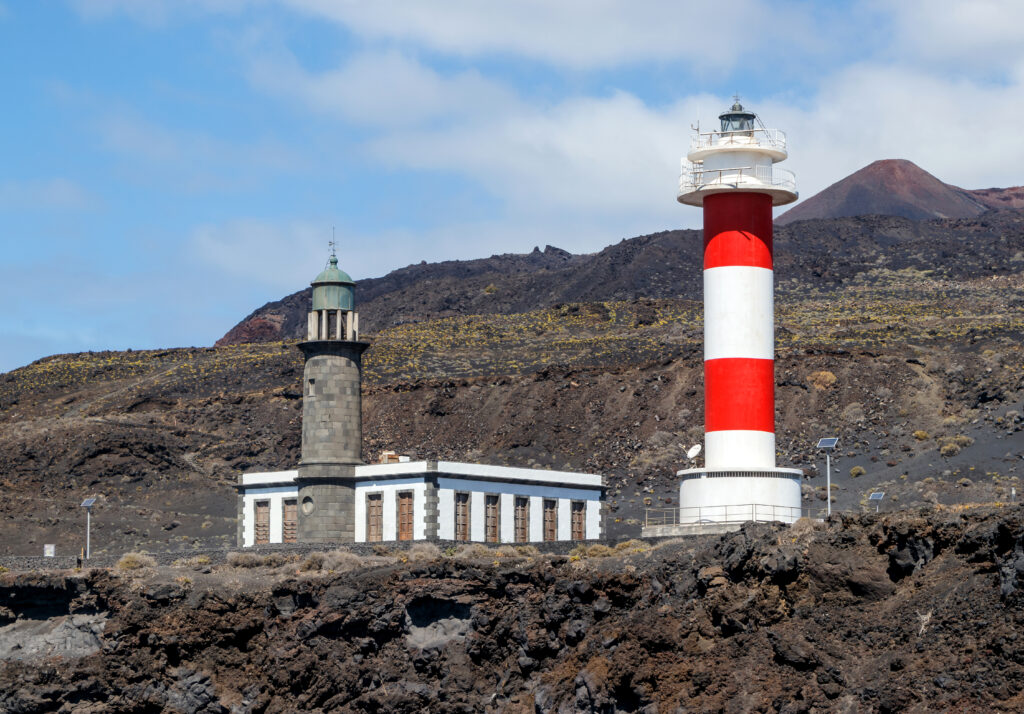
Faro de Fuencaliente stands on La Palma’s raw volcanic southern point, where black lava fields meet the open Atlantic. Surrounded by terrain shaped by recent eruptions, it marks one of the island’s most exposed and geologically expressive coastlines.
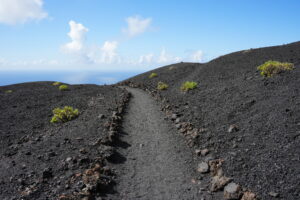
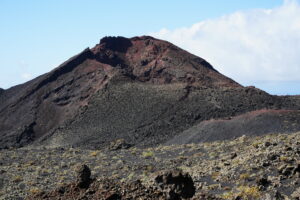
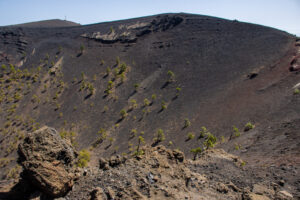
Faro de Fuencaliente occupies the southern extremity of La Palma, where the island’s volcanic spine finally runs out into the sea. The land here is younger than almost anywhere else on the island: dark, broken lava rock, ash-grey slopes and a coastline still raw from the eruptions that reshaped this tip of La Palma within living memory.
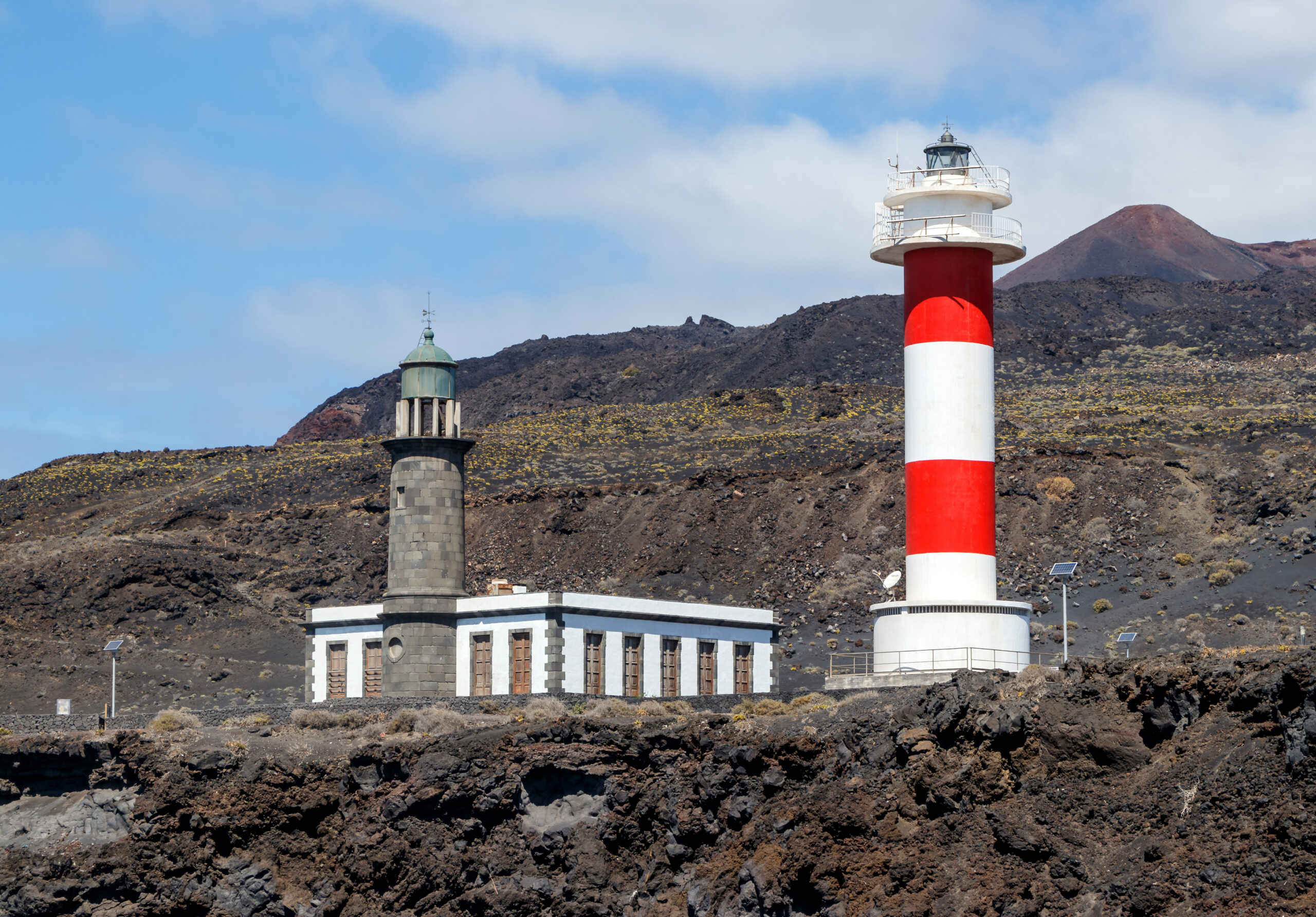
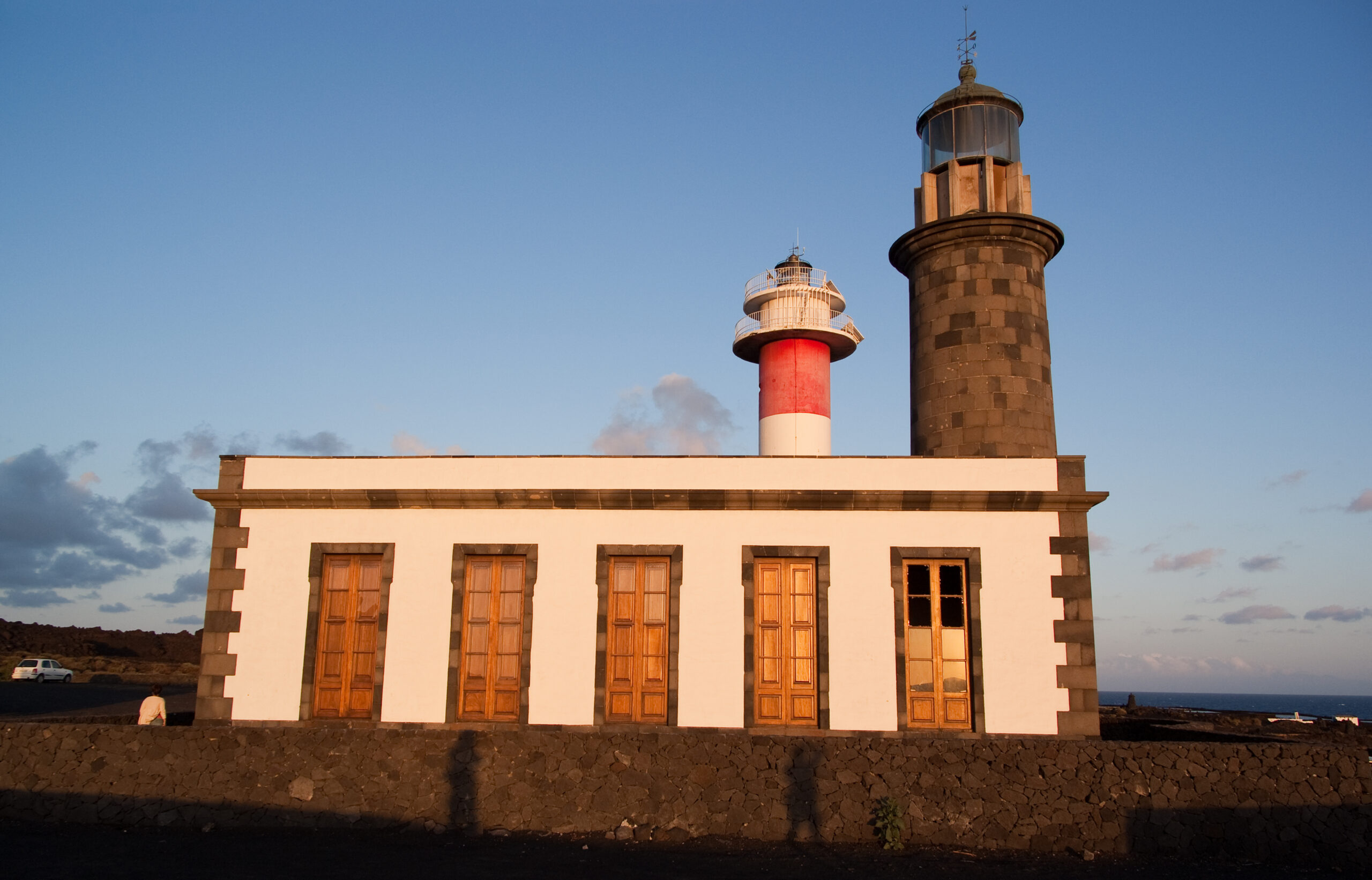
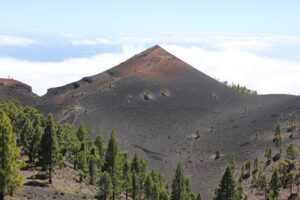
Approaching from inland means crossing a landscape of volcanic cones and pine-fringed ridges before the ground flattens and darkens toward the coast. Vegetation thins to scrub and succulents suited to dry, sun-exposed conditions, and the light sharpens close to the water, intensified by the open Atlantic horizon to the south.
This stretch of coast sits fully exposed to the trade winds and the swell they generate, conditions that have long made a marker light necessary for vessels rounding the island’s southern point. The setting is functional rather than sheltered: sea, lava and sky meet here with little softening, and the horizon runs uninterrupted toward open water.
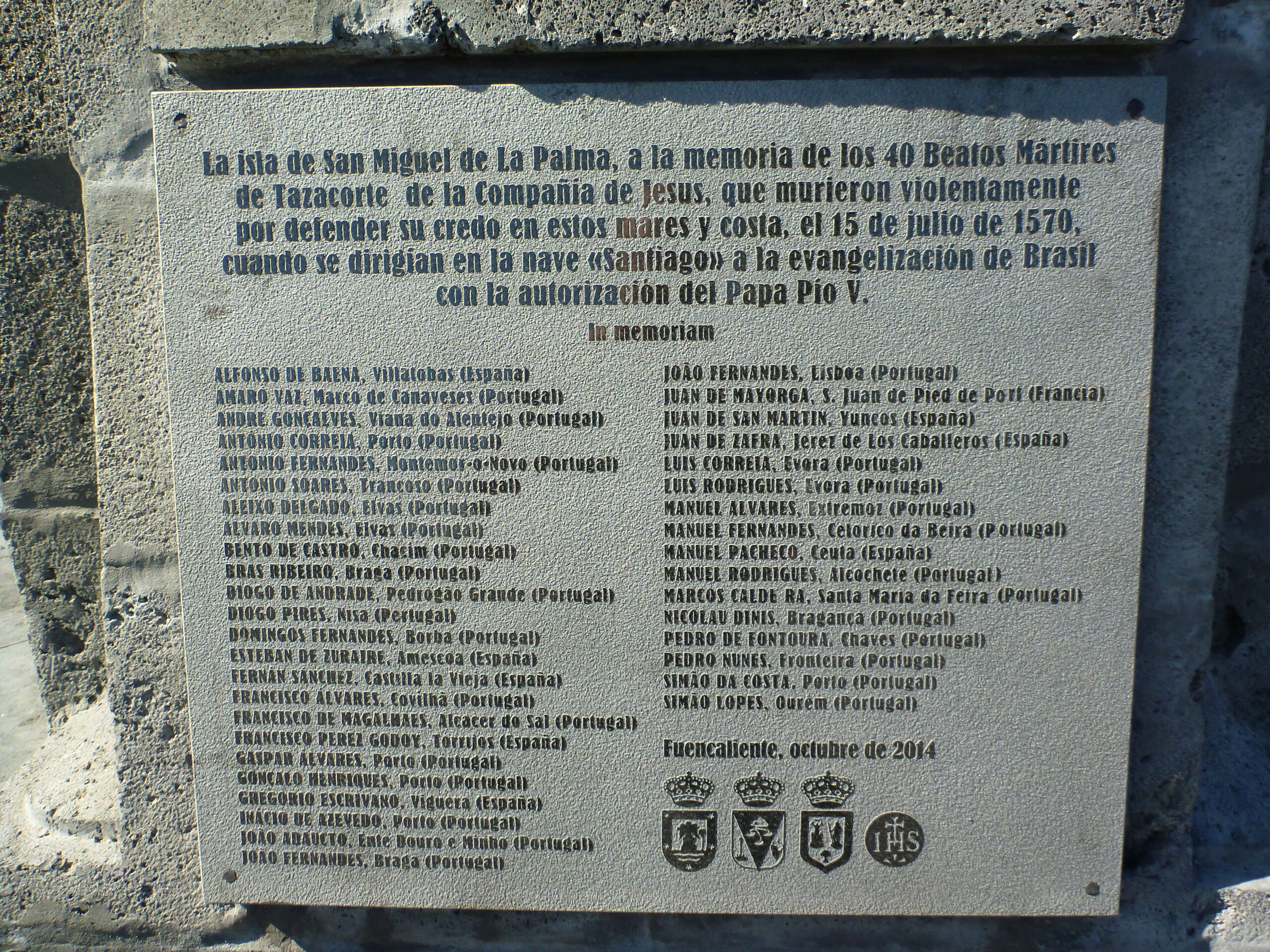
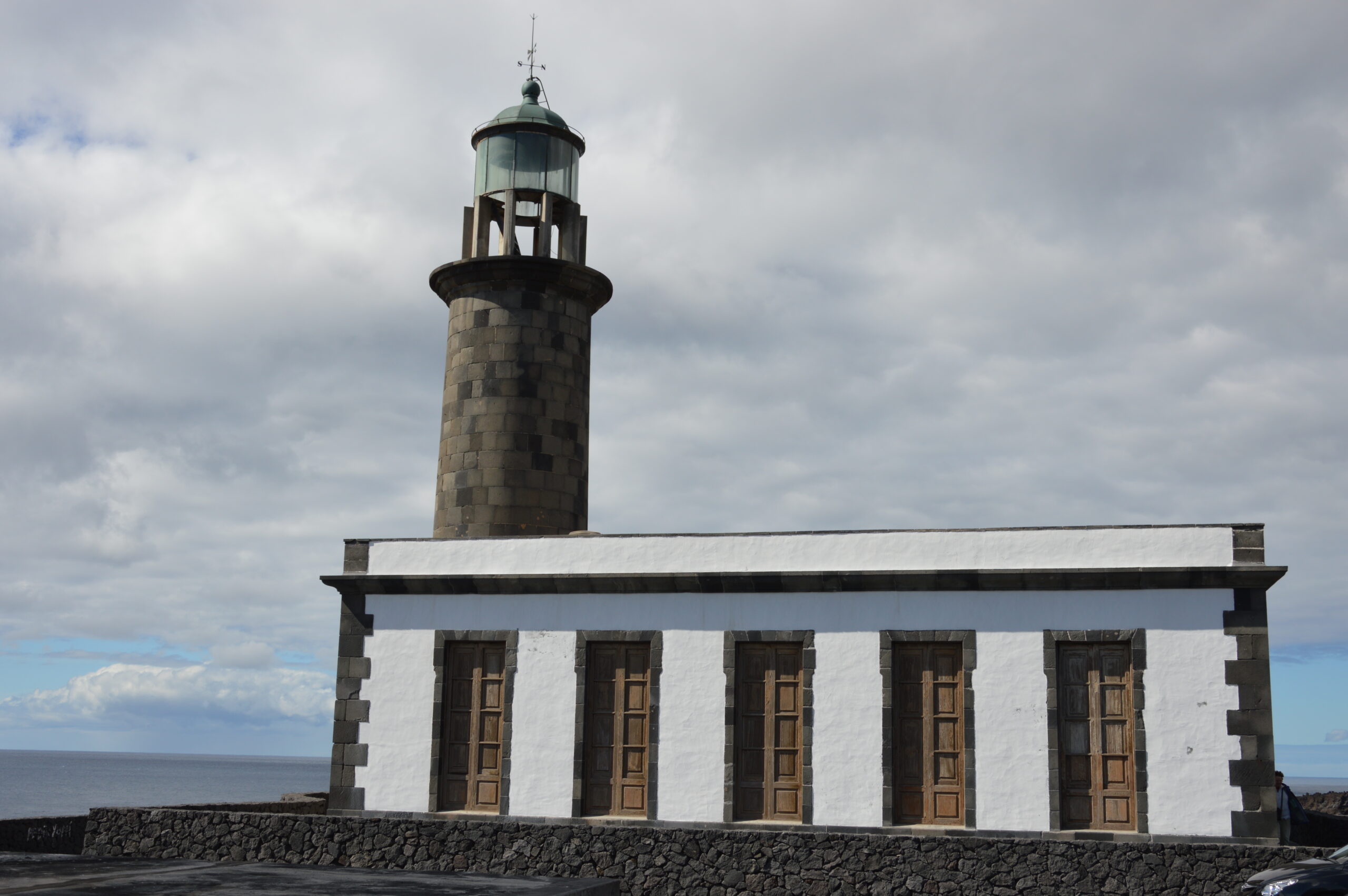
Inland from the point, vineyards and the wider Fuencaliente district reflect the same volcanic ground on which the lighthouse stands, a reminder that this part of La Palma has been built, layer upon layer, from the eruptions that define its landscape today.