Volcán San Antonio
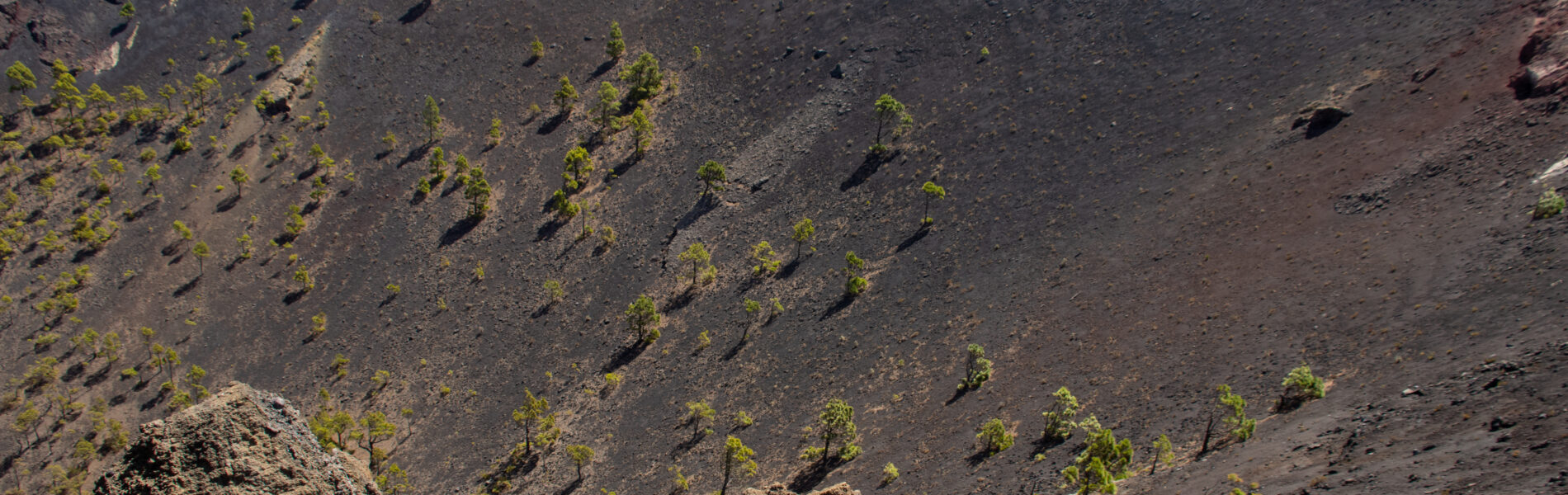
Volcán San Antonio is one of La Palma’s most accessible volcanic cones, rising above Fuencaliente with wide views over lava fields, vineyards and the island’s southern coastline. Its crater rim offers a clear window into the island’s eruptive past.
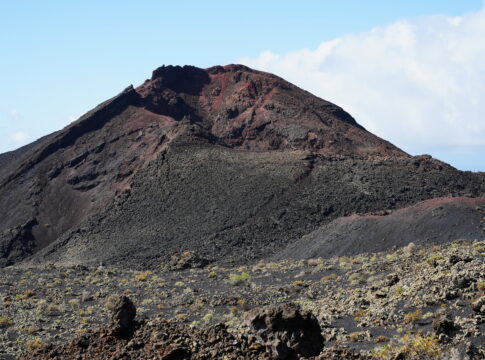
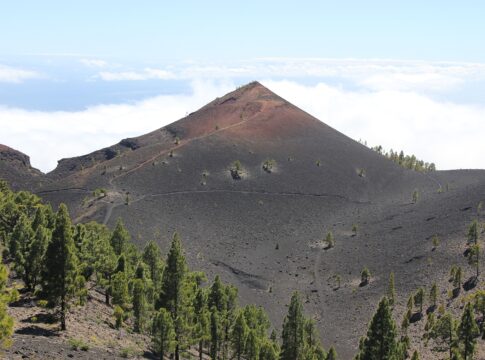
Volcán San Antonio stands just above the village of Fuencaliente, a near‑perfect volcanic cone formed during eruptions in the 17th century. Its flanks are streaked with loose cinder and hardened lava, and the crater rim offers one of the clearest cross‑sections of La Palma’s eruptive history.
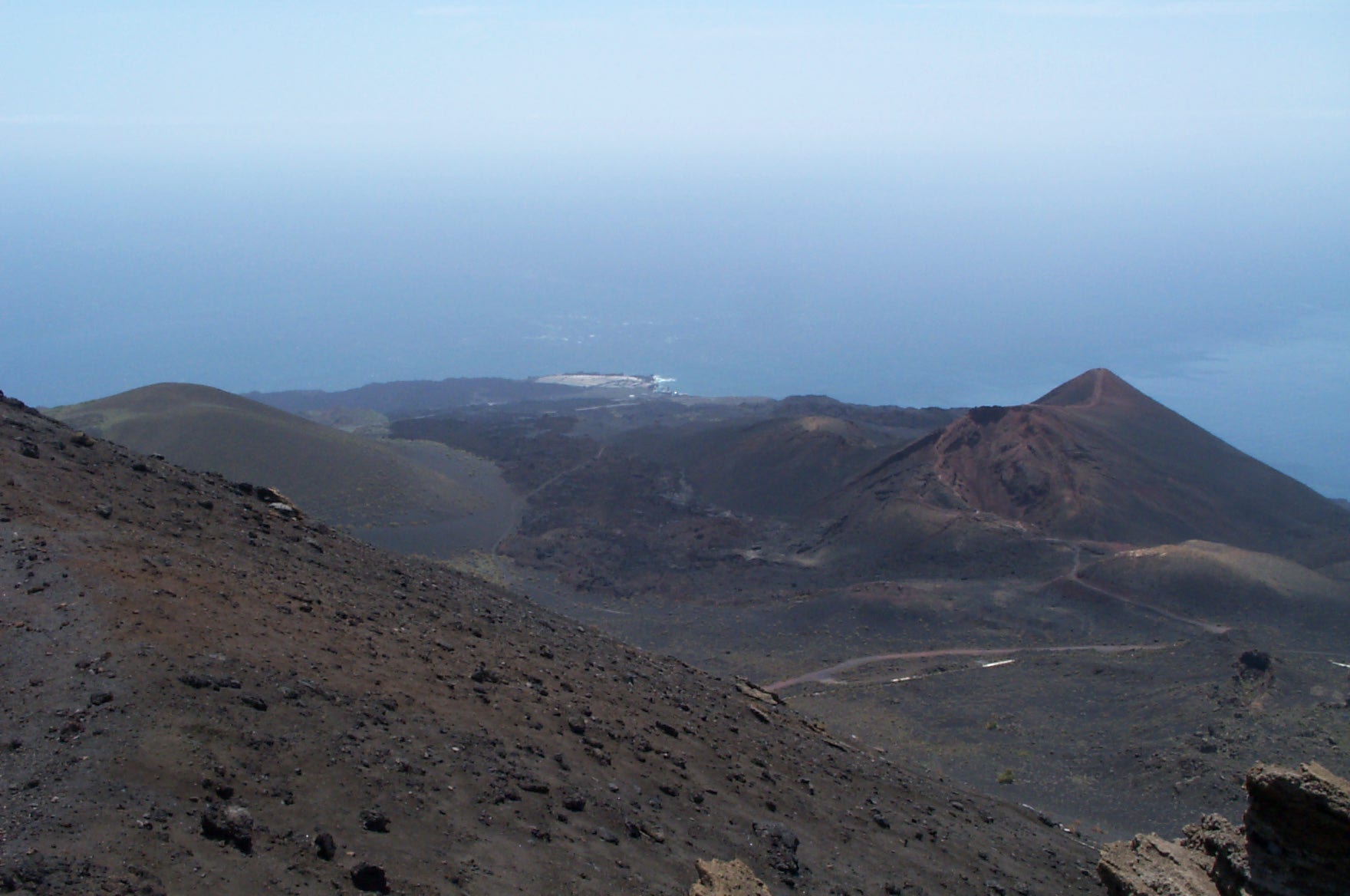
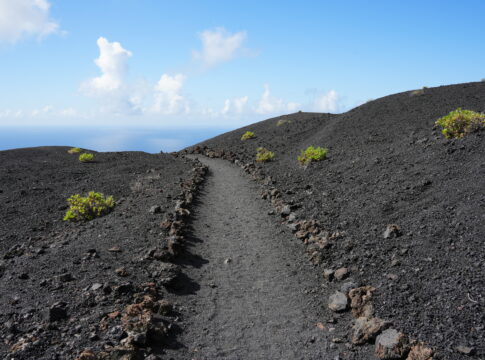
The approach climbs through vineyards rooted in mineral‑rich volcanic soil, a landscape typical of southern La Palma where agriculture and geology sit side by side. As the path reaches the cone, vegetation thins and the terrain shifts to red and black ash, opening onto wide views toward the Atlantic and the younger cone of Teneguía below.
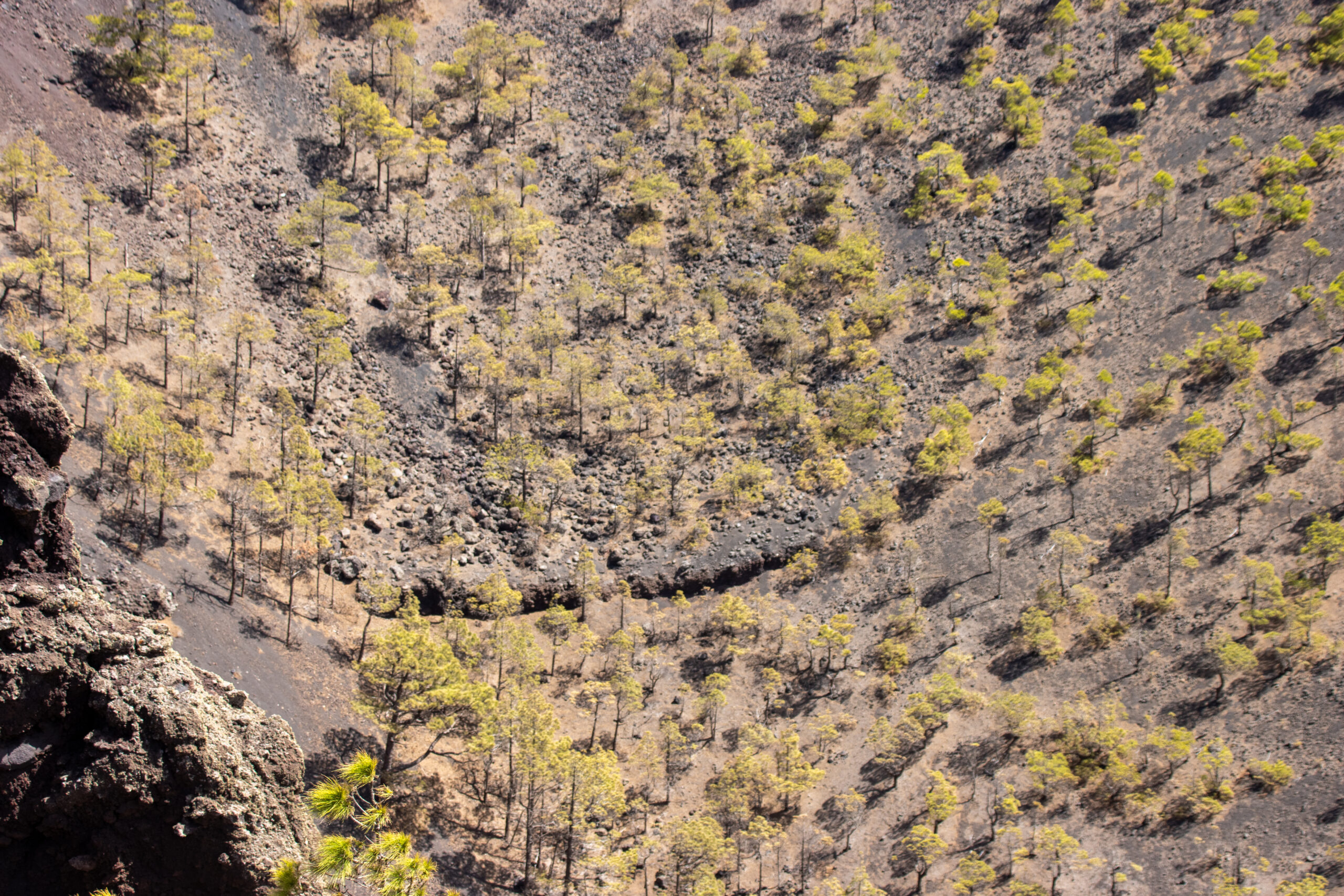
From the rim, the crater drops steeply into a bowl of fractured lava and cinder, its interior shaped by the same forces that built the wider Cumbre Vieja ridge. The contrast between the cone’s clean geometry and the rough lava fields surrounding it makes San Antonio one of the most visually legible volcanoes on the island.
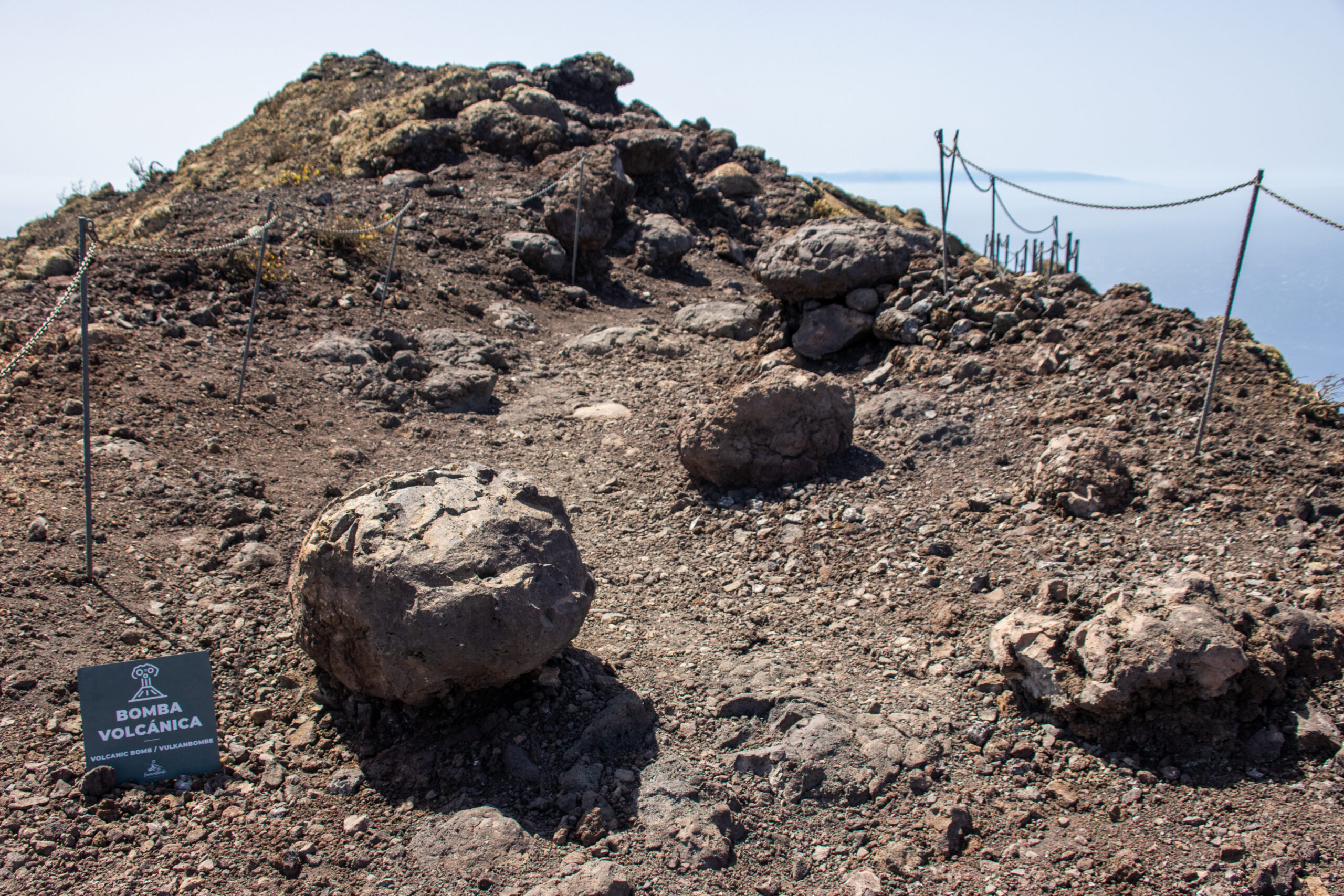
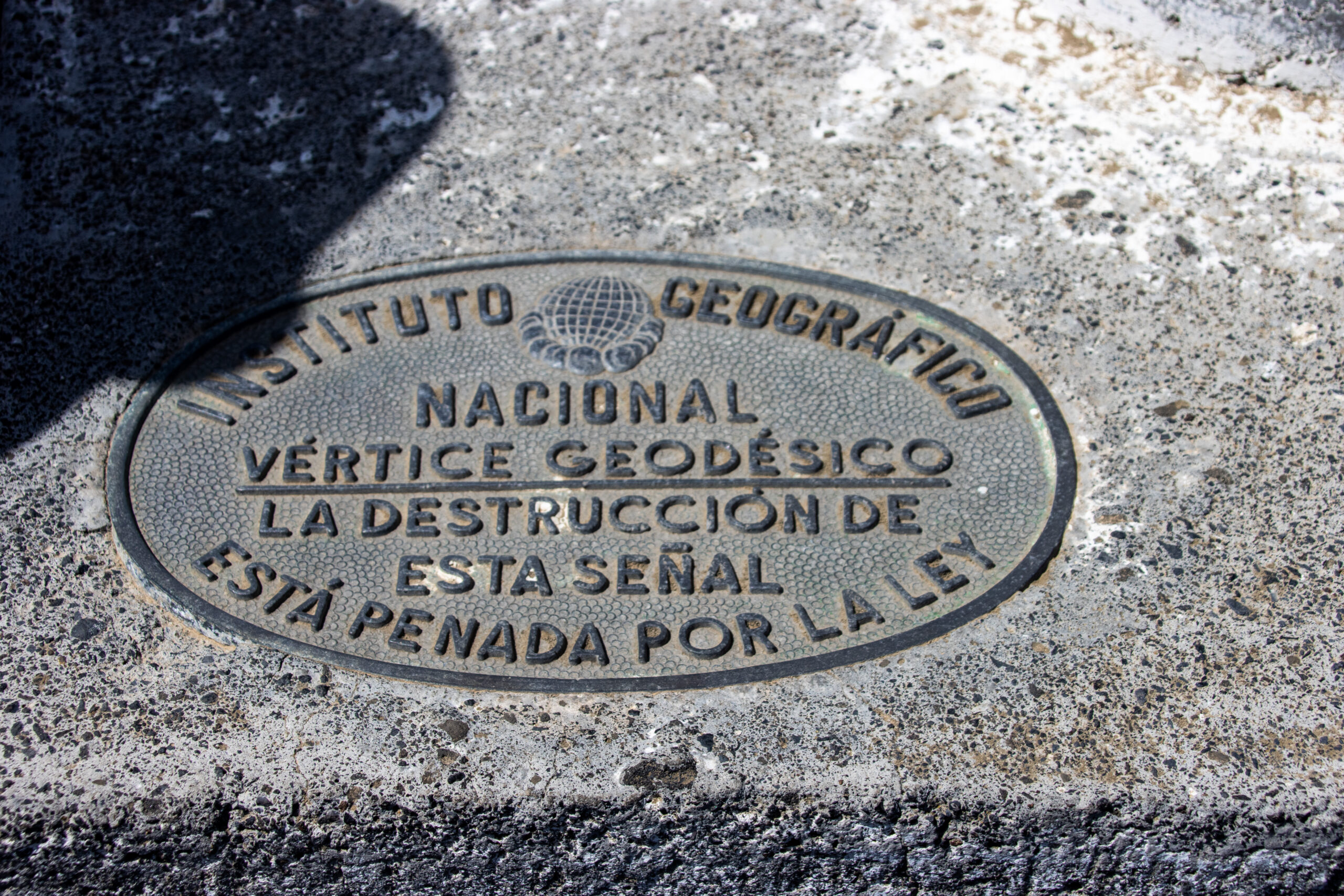
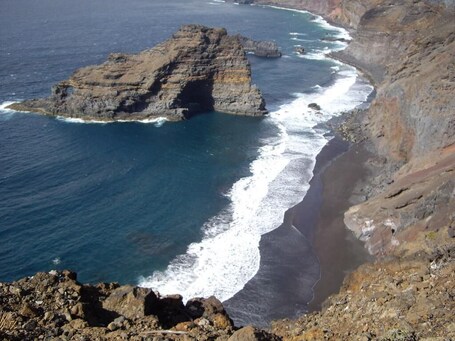
Because the cone sits high above the southern coastline, the horizon runs uninterrupted toward open water, and trade‑wind light sharpens the colours of the volcanic ground. It is a landscape best understood slowly, where each viewpoint reveals another layer of the island’s volcanic formation.